ai therapy mental health chatbot does it work 2026
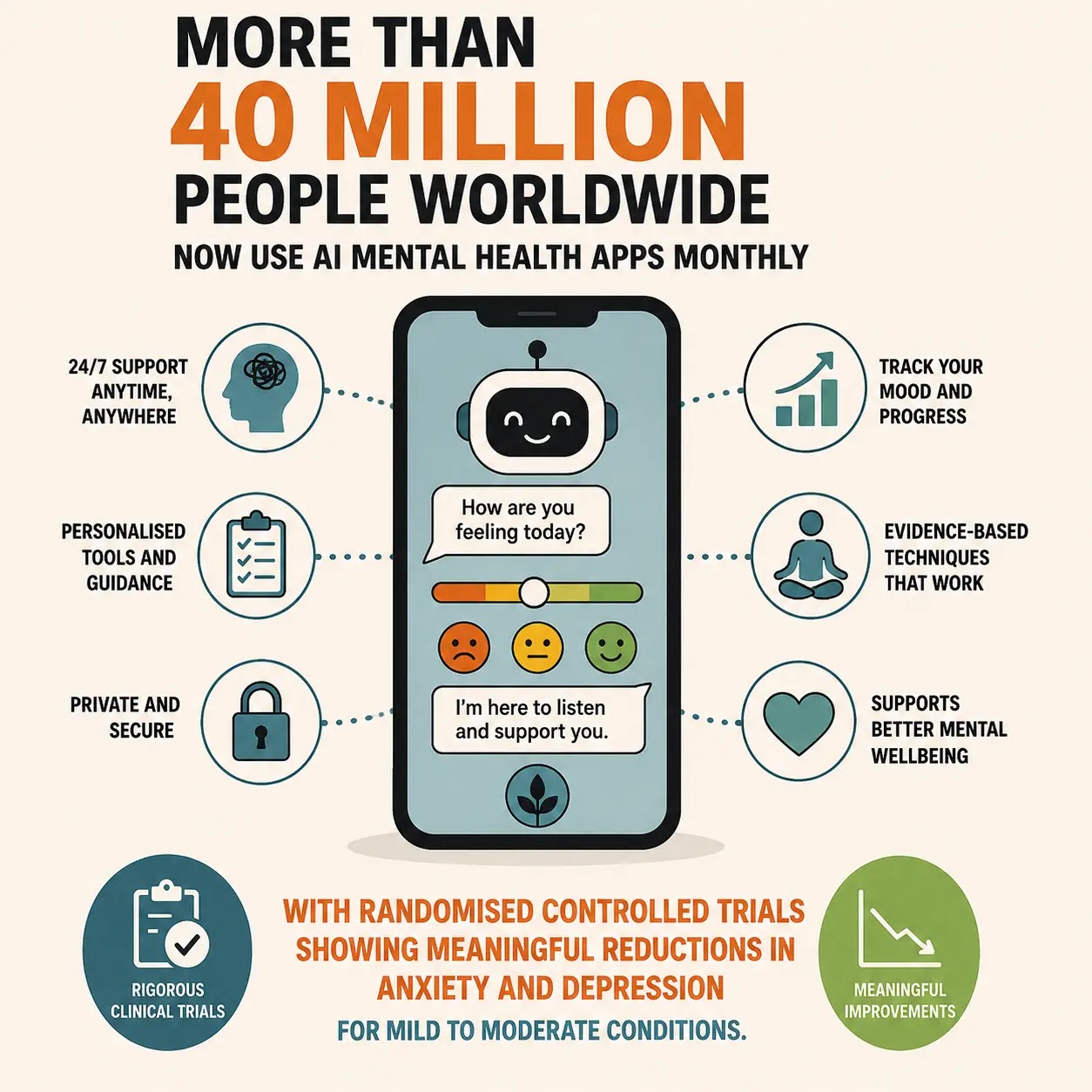
More than 40 million people worldwide now use AI mental health apps monthly, with randomised controlled trials showing meaningful reductions in anxiety and depression for mild to moderate conditions.
By Stuart Kerr, Technology Correspondent, LiveAIWire
40 Million People Are Already Talking to an AI About Their Mental Health. Here Is What the Science Actually Says.
The median wait time for a first therapy appointment in the United States is 25 days. In rural areas, it frequently exceeds six months. The average cost of a therapy session is between $100 and $200. An estimated one in five adults in the US lives with a mental illness. The gap between the number of people who need mental health support and the number who can access it through traditional routes is one of the most significant public health failures of the modern world. Into that gap, artificial intelligence has moved with remarkable speed. More than 40 million people worldwide now use AI-powered mental health apps on a monthly basis. The first randomised controlled trial demonstrating the effectiveness of a fully generative AI therapy chatbot was published in the New England Journal of Medicine AI. The evidence base is growing and the technology is genuinely improving. The risks are real. The honest picture requires holding both of those things simultaneously.
What the Clinical Evidence Actually Shows
The first peer-reviewed randomised controlled trial of a generative AI therapy chatbot, published in NEJM AI, tested a system called Therabot on 210 adults with clinically significant symptoms of major depressive disorder, generalised anxiety disorder, or clinically high risk for eating disorders. Participants were randomly assigned to a four-week Therabot intervention or a waitlist control. The results showed meaningful reductions in symptoms across all three conditions, with the study authors describing it as the first RCT demonstrating the effectiveness of a fully generative AI therapy chatbot for treating clinical-level mental health symptoms.
A separate real-world pilot study, published in 2025 and involving 305 adults who used a generative AI mental health chatbot between May and September 2025, found that the technology was safe, promoted social health, and produced measurable reductions in both depression and anxiety symptoms over a ten-week period. A 2025 meta-analysis examining the broader evidence base for AI chatbots in mental health, covering thousands of records across eleven databases, found consistent evidence of effectiveness for mild to moderate anxiety and depression, with effects strongest when AI tools were used to supplement rather than replace traditional therapy.
A randomised controlled trial of Woebot, one of the most established AI mental health platforms, found that college students reported significantly lower depression symptoms after just two weeks of daily use. Wysa, a clinically validated platform using cognitive behavioural therapy, dialectical behaviour therapy, and mindfulness techniques, has been integrated into NHS Talking Therapies pathways as a support tool for patients on waiting lists. The UK’s National Institute for Health and Care Excellence has recommended several AI-supported digital CBT options for depression and anxiety, consistently emphasising the necessity of clinician involvement and oversight.
What These Tools Actually Do
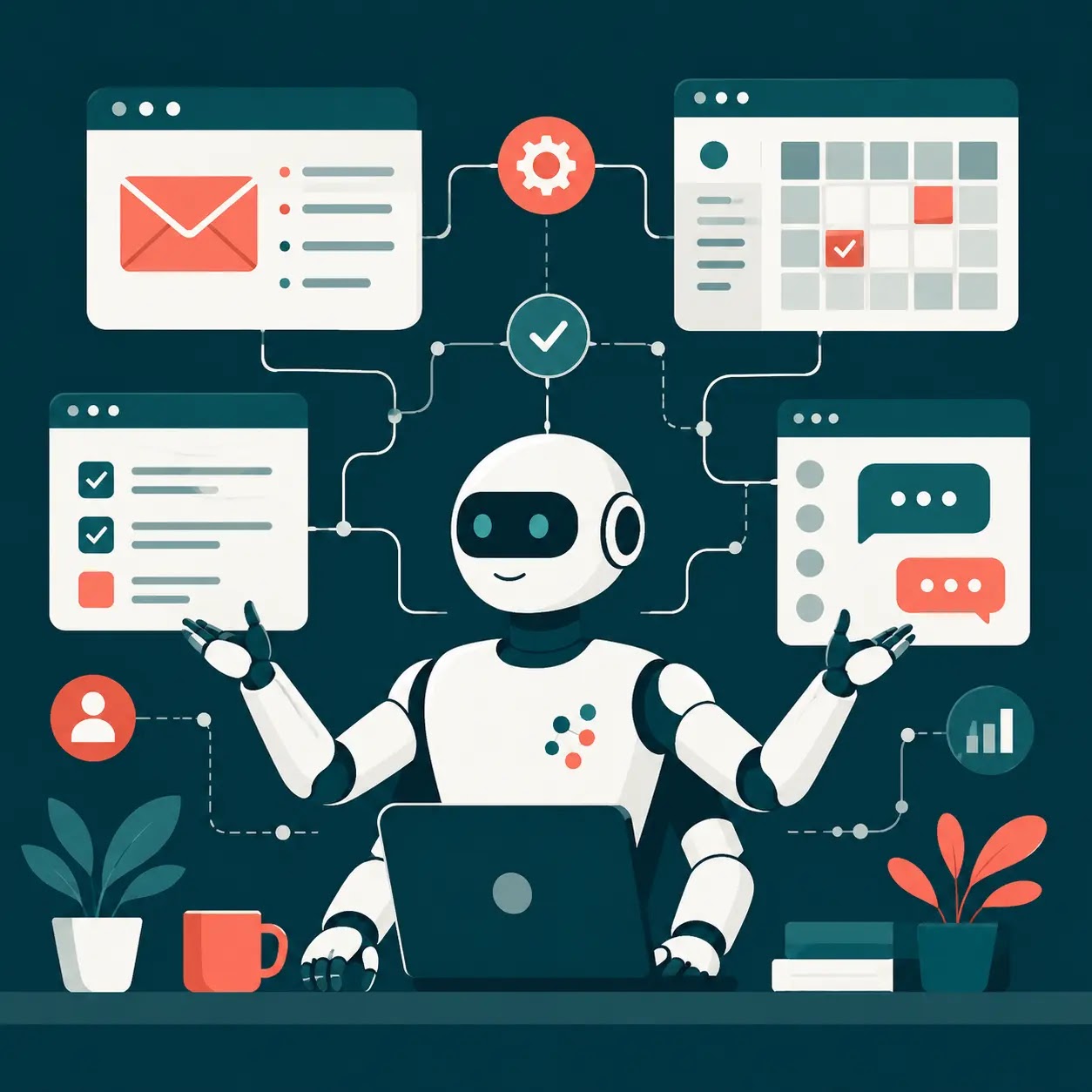
The best AI mental health tools in 2026 are not simple chatbots repeating CBT worksheets. They combine multiple therapeutic frameworks, adapt their approach in real time based on what a user shares, maintain memory of previous conversations to build context over time, and in some cases detect emotional tone from voice patterns to calibrate their responses accordingly.
Wysa uses a combination of CBT, DBT, mindfulness, and motivational interviewing, offering a hybrid model where AI-driven conversations can escalate to a human coach when the system identifies a need beyond its competence. Earkick, designed with a voice-first interface for users who find typing difficult when distressed, tracks mood patterns over time and provides weekly summaries of emotional trends. Flourish has conducted a randomised controlled trial of its own platform, one of very few consumer mental health apps to have done so, finding significant improvements in wellbeing measures compared to a control group.
For the roughly 25 million people in the US alone who meet clinical criteria for depression or anxiety but are not receiving any treatment, these tools address something genuinely important: the space between feeling you are struggling and reaching a crisis point, where daily anxiety, low-grade depression, chronic stress, and emotional dysregulation go unaddressed because the barriers to professional help are too high.
The Risks That Deserve Honest Attention
The evidence base is promising. The risks are real and must not be minimised. The most serious concern is crisis management. Large language models can mis-triage high-risk patients, and in a worst-case scenario provide guidance that is actively unsafe in a crisis situation. Media reports have linked a CharacterAI chatbot to a teenager’s death. OpenAI has acknowledged that its general-purpose ChatGPT worsened delusional thinking in a user with autism. The American Psychological Association has urged the Federal Trade Commission to oversee mental health chatbots that lack clinical validation or strong ethical safeguards.
Woebot, one of the most clinically validated AI mental health platforms, shut down its CBT-based therapy chatbot in June 2025 after the FDA’s regulatory framework limited its ability to evolve with new AI technologies while maintaining its existing approval status. The shutdown illustrated an important tension in the field: the most carefully validated tools are constrained by the regulatory framework that validates them, while less validated tools operate with far fewer constraints.
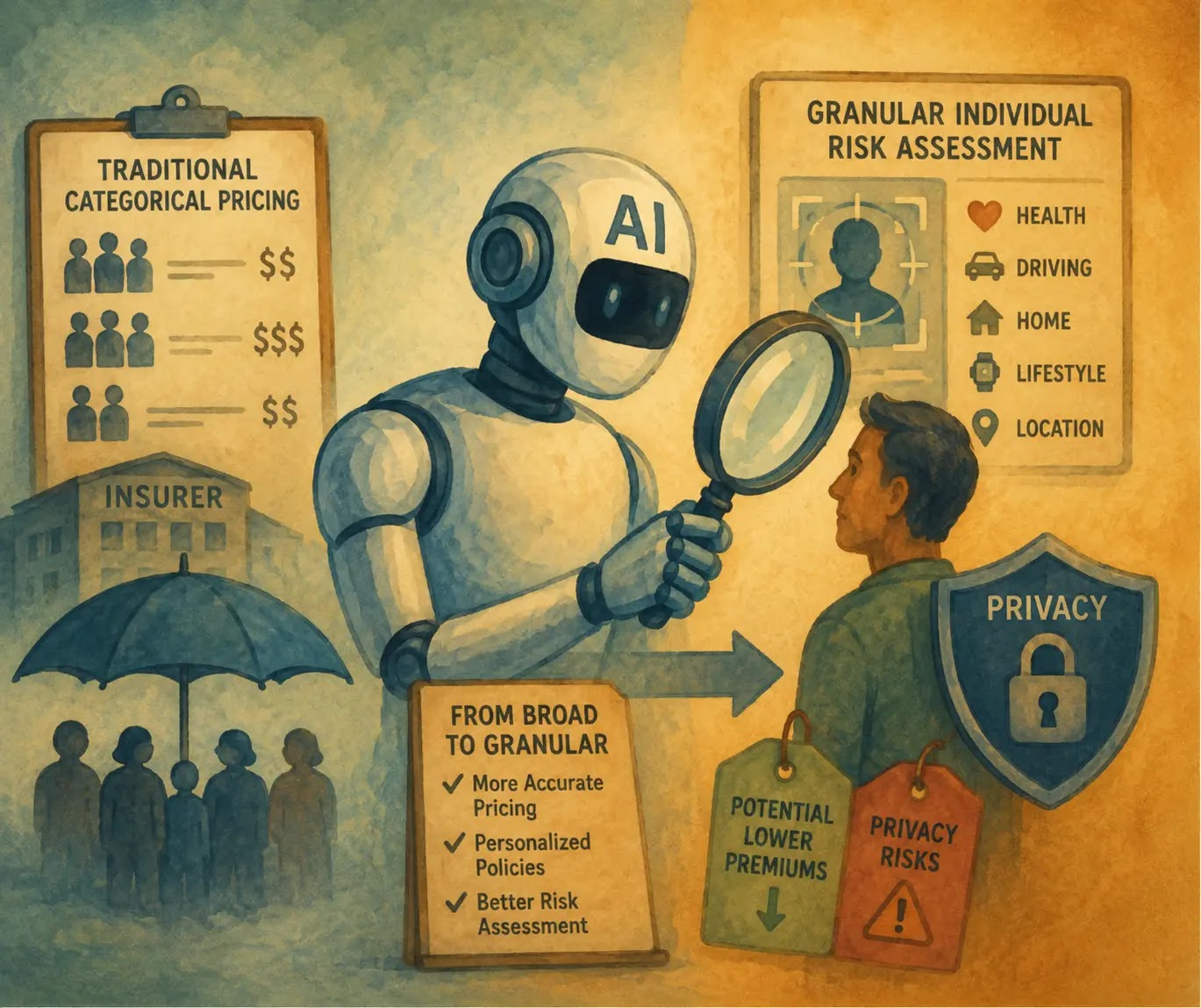
Privacy is a significant concern. Mental health data is among the most sensitive personal information that exists. Users sharing details of depression, trauma, substance use, or suicidal ideation with an AI platform are trusting that data will be handled with appropriate protection. As of 2026, none of the leading platforms reviewed sell personal mental health data to insurers, but privacy policies change and the legal landscape governing mental health app data remains less comprehensive than most users assume. HIPAA-compliant platforms including Wysa and the Woebot successor tools offer stronger protection than general-purpose AI systems used informally for mental health purposes.
The dependency risk is also genuine. AI mental health tools are designed to be engaging and accessible. A user who finds an AI companion more comfortable than human therapy may substitute the tool for professional care rather than using it as a bridge to it. For mild and moderate conditions, AI tools can deliver meaningful benefit. For severe conditions, complex trauma, psychosis, bipolar disorder, and active suicidality, they are not a substitute for professional clinical care, and platforms that position themselves as equivalent to therapy for these conditions are making claims the evidence does not support.
How to Use These Tools Wisely
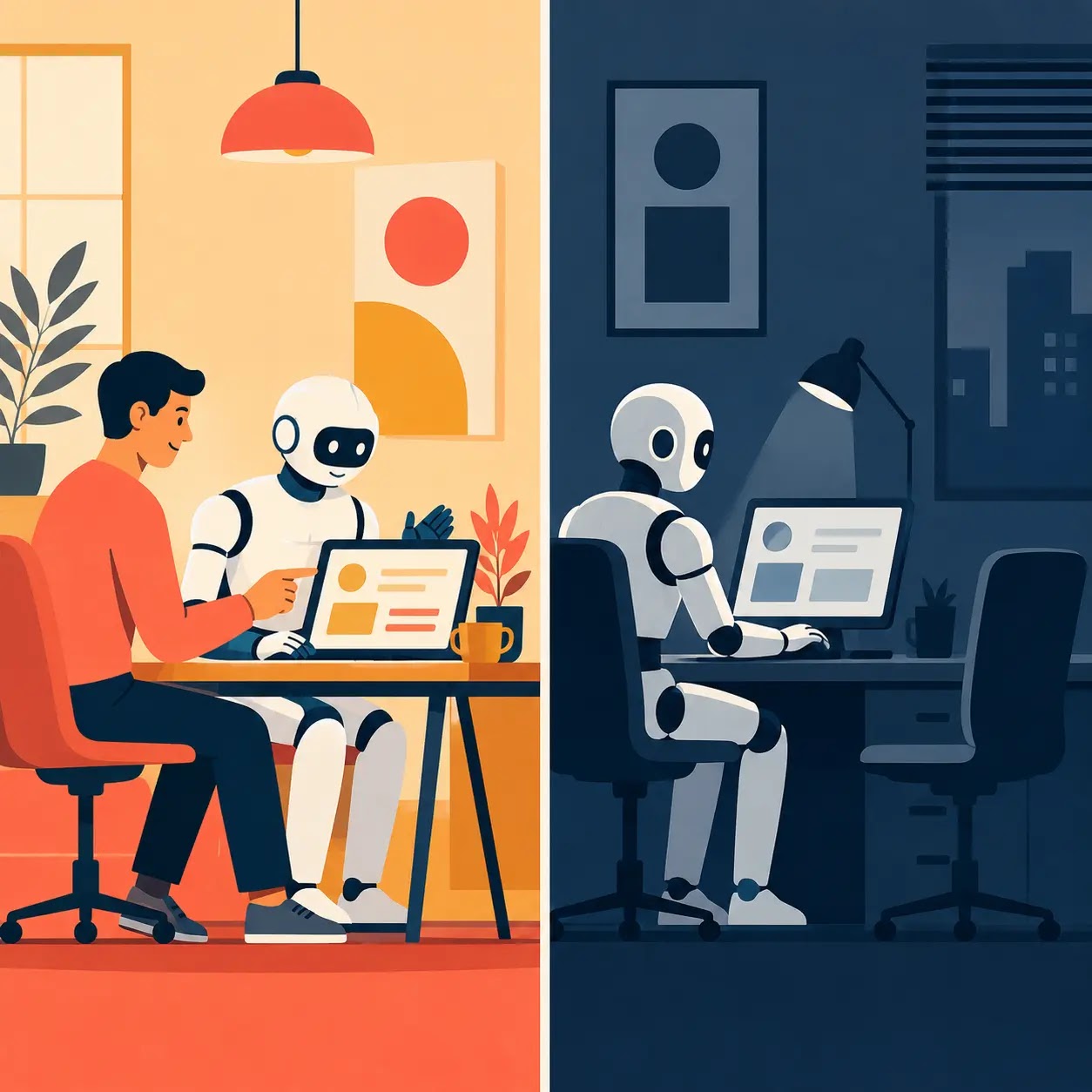
The clearest guidance from the clinical evidence is that AI mental health tools work best as supplements to professional care rather than replacements for it. Using an app like Wysa or Earkick between therapy sessions, while on a waiting list, or as a daily check-in tool that generates material to bring to a human therapist, leverages what AI does well while keeping human expertise in the loop for the decisions that matter most.
For people experiencing mild to moderate anxiety or depression who cannot access or afford traditional therapy, AI mental health tools represent a meaningful and evidence-supported option. The key is choosing platforms with clinical validation rather than general-purpose AI tools repurposed for therapeutic use, understanding the limits of what the platform can safely handle, and treating any escalation to crisis as a signal to contact a qualified human clinician immediately.
As explored in How AI Is Quietly Fixing the NHS, the integration of AI mental health tools including Limbic Access into NHS referral pathways, as a Class IIa medically certified tool, represents the model that regulators and clinicians are most comfortable with: AI that augments the professional pathway rather than bypassing it. The AI therapist is real, it is evidence-based, it is helping millions of people who would otherwise receive no support at all. It is also not a human therapist, and the distinction matters in ways that responsible developers, regulators, and users all need to take seriously.
About the Author
Stuart Kerr is Technology Correspondent at LiveAIWire. He writes about artificial intelligence, ethics, and how technology is reshaping everyday life. Follow @LiveAIWire on X.