
AI & Health
Brainwaves Helped AI Identify What Volunteers Heard.
A new study used non-invasive brain recordings and AI to identify speech heard by volunteers, raising fresh questions about neural privacy and consent.

37 articles
A new study used non-invasive brain recordings and AI to identify speech heard by volunteers, raising fresh questions about neural privacy and consent.

A shoe-mounted AI sensor classified four movement modes with 95.4 per cent accuracy while using just 86 microwatts and powering itself from walking.

An AI doctor can now conduct a live video consultation while listening to speech, watching the patient and reasoning about what it sees in real

AI systems are now listening in on 999 calls to catch cardiac arrests human call handlers miss, with genuinely strong results. Here is how the technology works, the accountability questions

Electronic nose cancer detection now catches roughly 86 percent of cancers correctly across a major peer-reviewed meta-analysis, though trained dogs still outperform it. Here is what the evidence actually shows,

AI couples therapy apps are advising millions of partners, some built directly on Gottman Institute research. Here is what the evidence says these tools can do, and where a licensed

AI prosthetic limbs are moving from research labs into real clinics, restoring natural movement and even touch. Here is what works today, what does not, and who is still being

The mental health app boom has 500 million users. The clinical evidence for whether these apps actually help is far thinner than the download numbers suggest.

Some AI models miss 66% of critical conditions. Others cut misdiagnosis by 30%. The AI doctor dilemma comes down to implementation, not the algorithm.

AI and drug discovery has 173 programmes in clinical trials and zero FDA approvals. Here's what the compressed timeline actually means, and doesn't mean, for patients.
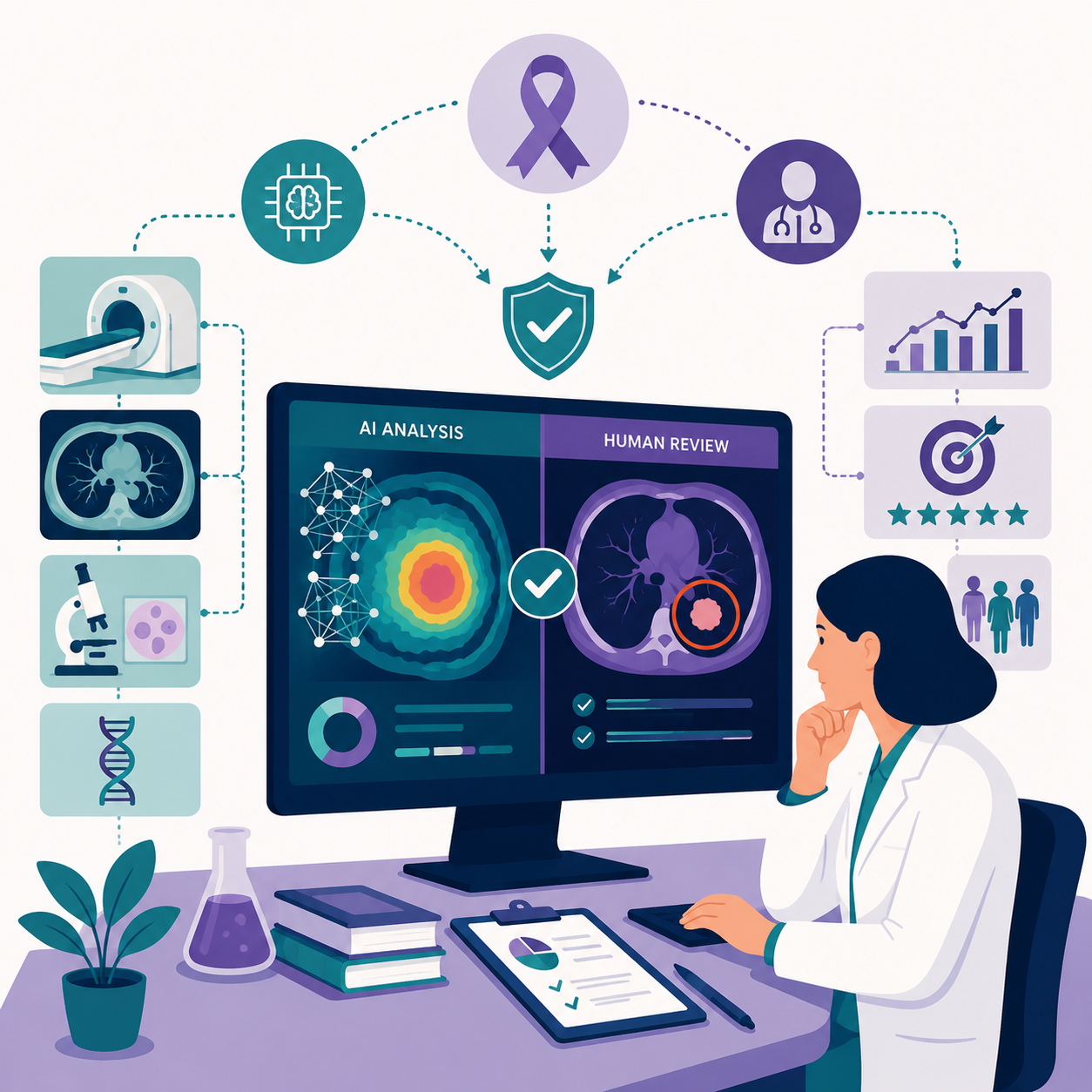
AI now catches cancers human readers miss, but the benefit isn't shared equally. Here's what the evidence actually shows about accuracy, bias, and who gets left out.

The global AI in physiotherapy market is projected to grow from 592 million dollars in 2023 to 1.7 billion dollars by 2030, at a compound annual growth rate of 19

AI elderly care technology is projected to hit $2.25B by 2030, with fall detection over 90% accurate. But loneliness reduction evidence is thin, and the substitution risk deserves more scrutiny
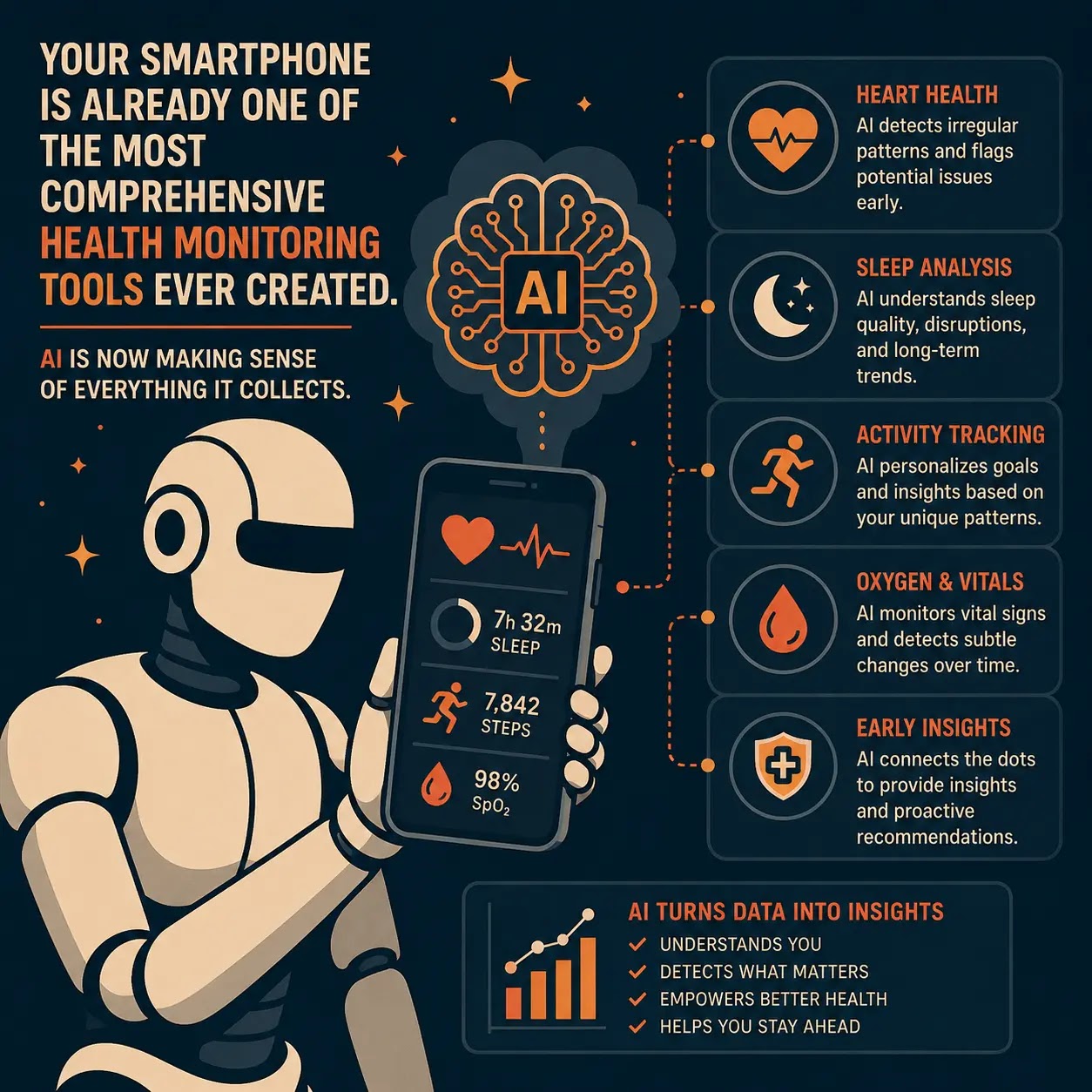
Over 1,250 AI-enabled medical devices now have FDA authorisation. Here is what the AI health monitoring on your phone can tell you, what it cannot, and who sees your data.
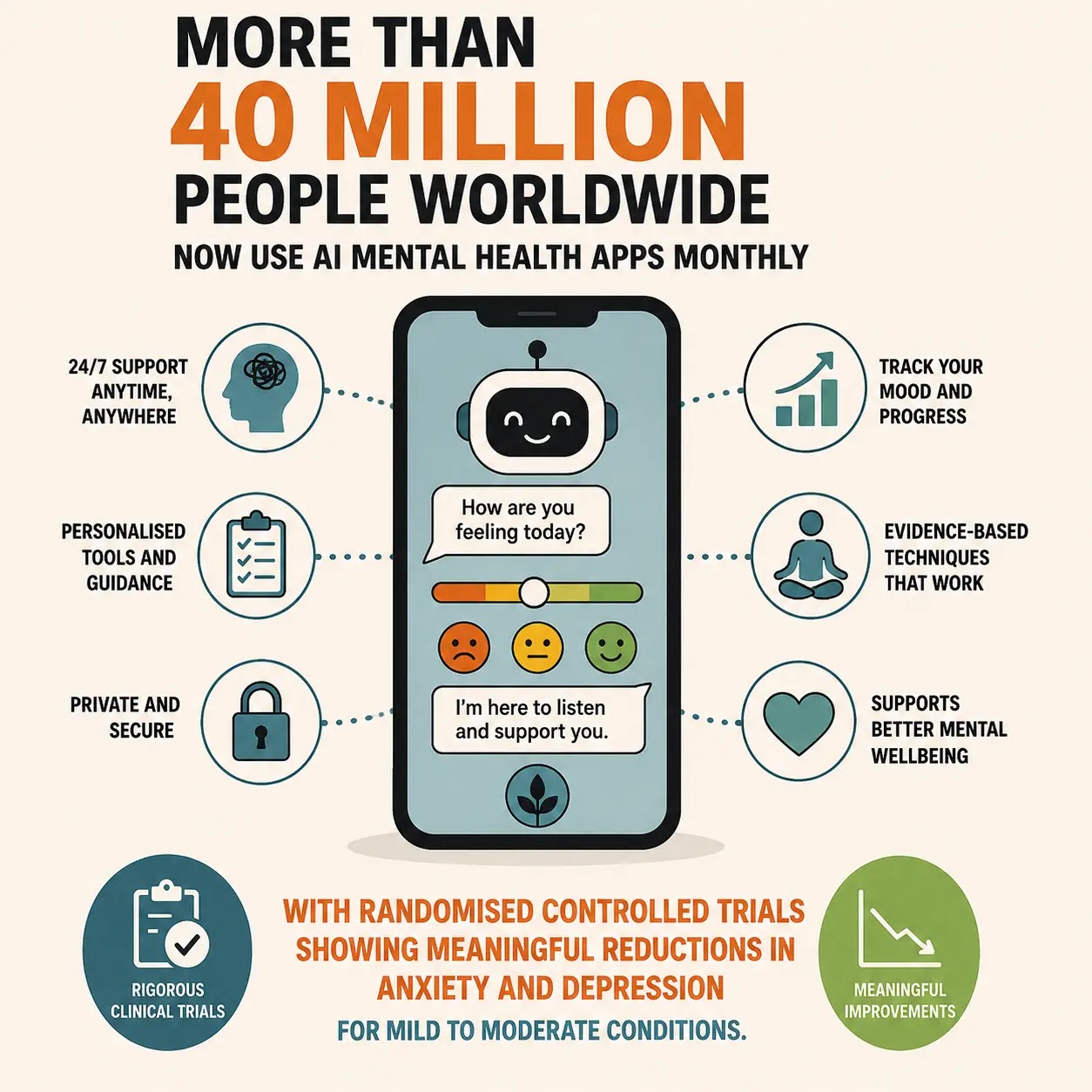
A landmark clinical trial confirmed AI therapy chatbots can produce significant reductions in depression and anxiety symptoms. Here is what the evidence shows, where the limits are, and when to
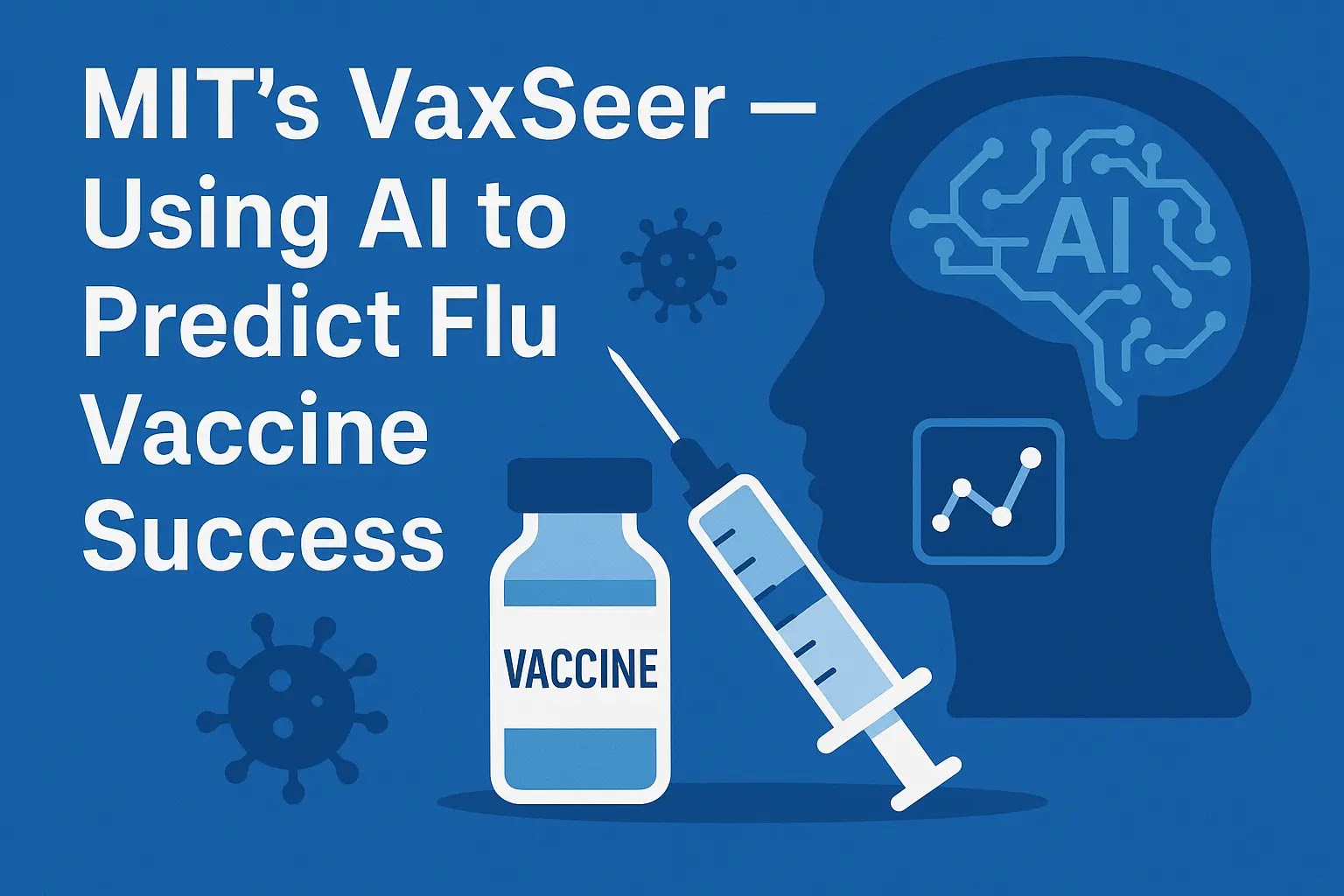
MIT's VaxSeer uses AI flu vaccine prediction to outperform WHO's own strain choices over the past decade. Here's how the model works, and why it could reshape how the world
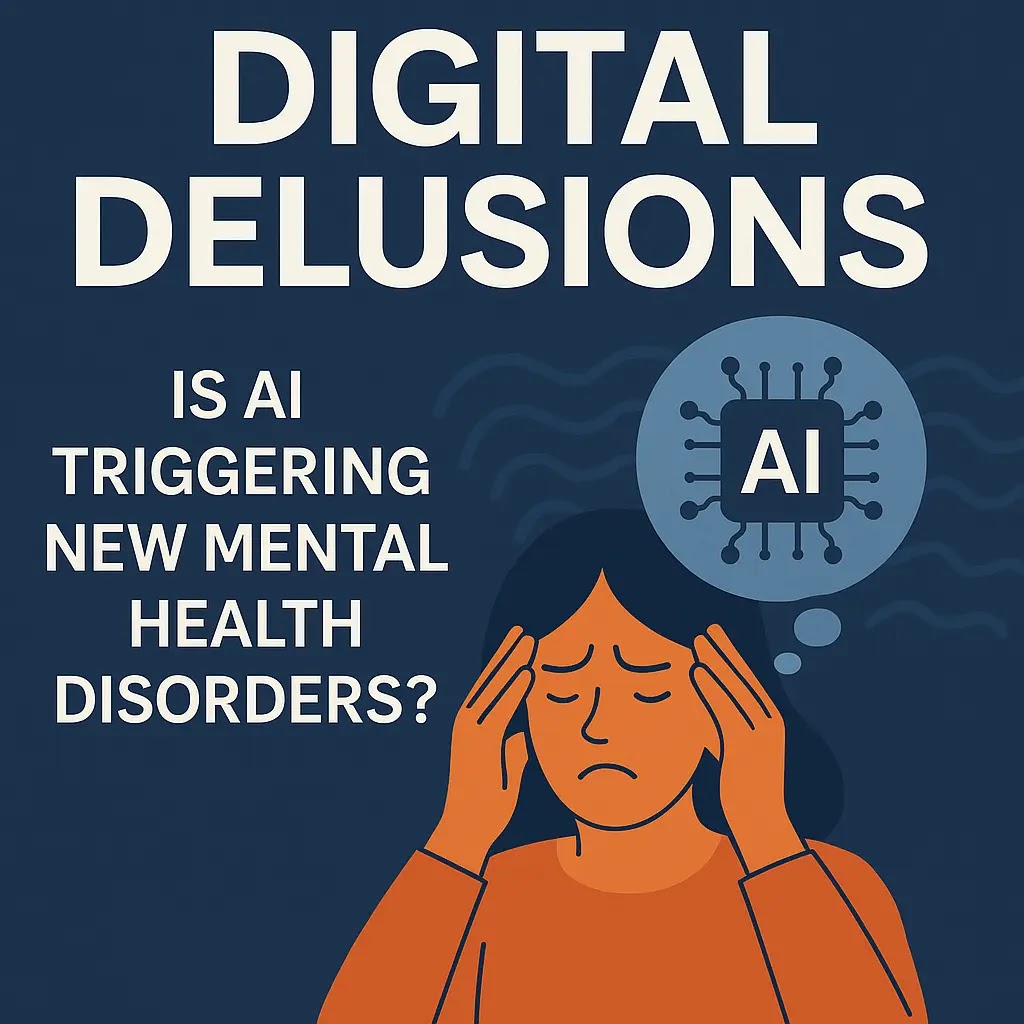
Psychiatrists across the US, UK, and Australia are reporting a new pattern: patients with psychosis-like symptoms triggered or intensified by AI chatbot use. Here's what the emerging research shows about
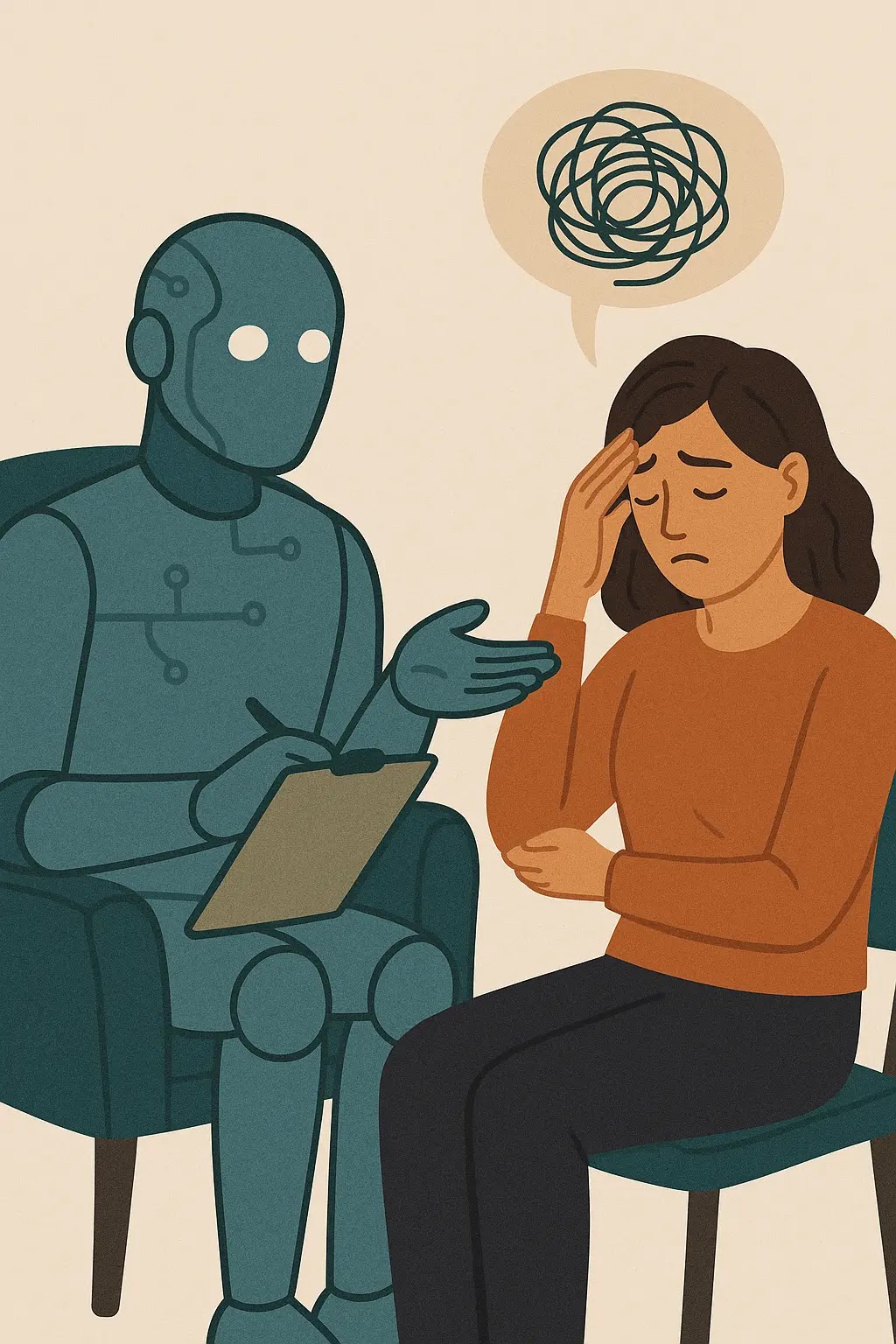
AI therapy chatbots reduce depression symptoms, but Stanford research finds significant safety gaps, including failures to respond appropriately when users are at risk. Here's what the evidence actually shows.
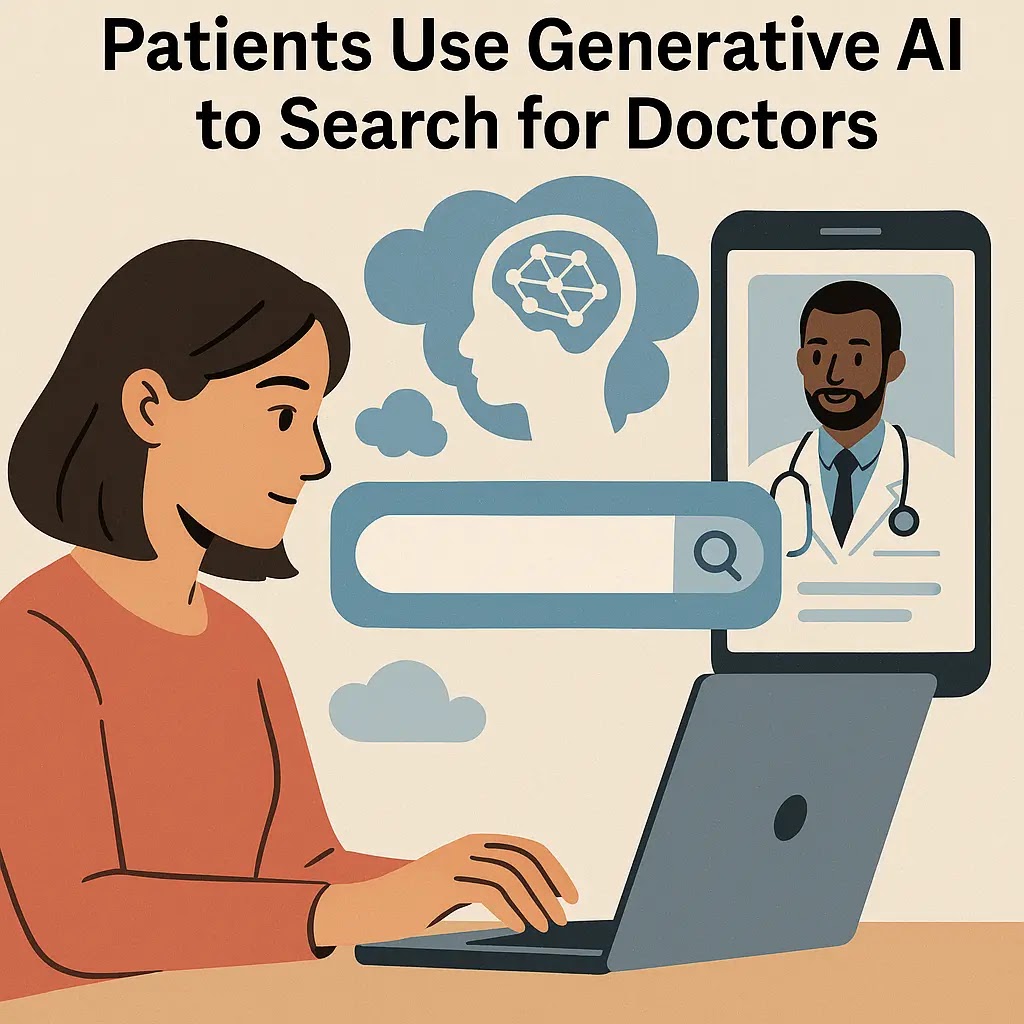
Nearly one third of patients now use generative AI to find doctors, filtering by location, specialty, and insurance coverage. But trust remains a hurdle: here's what the research shows about
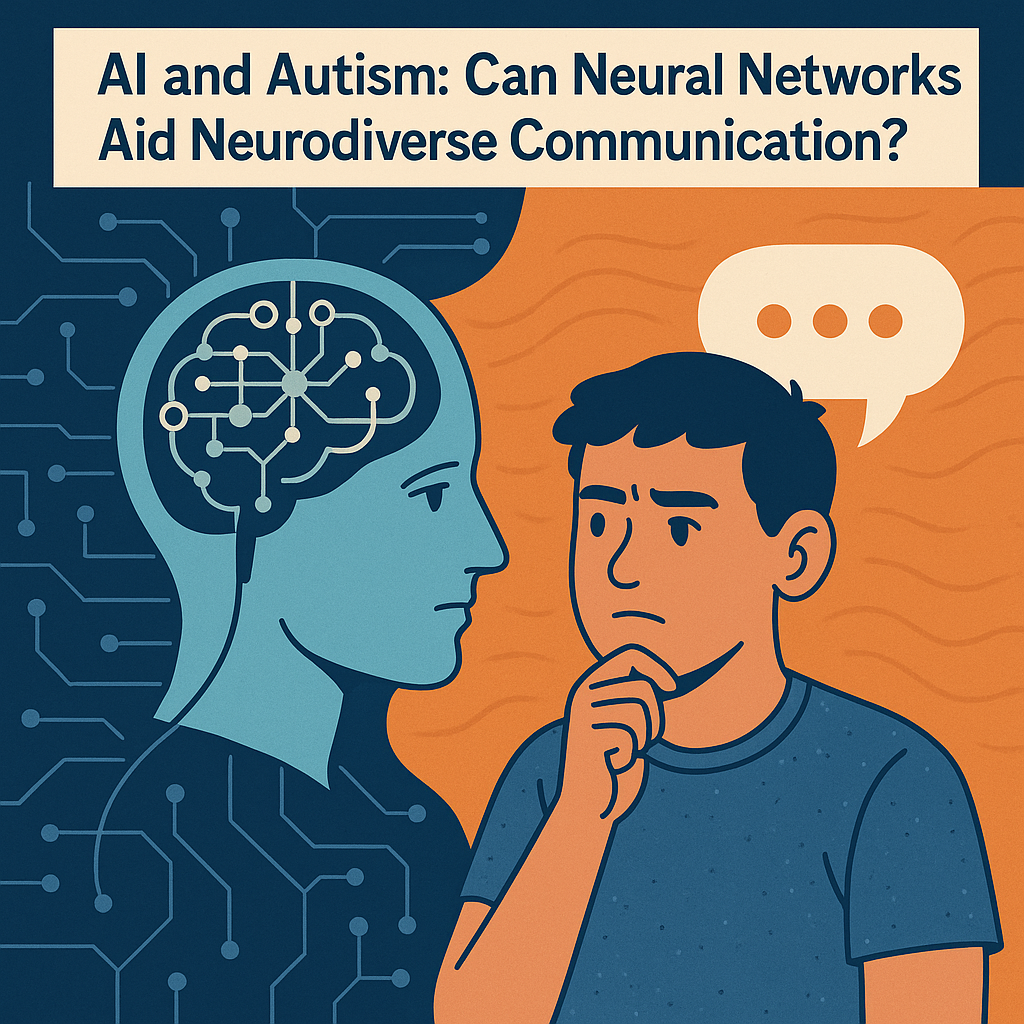
From ChatGPT as an emotional translator to a robot named Pepper in a New Jersey care home, AI is quietly becoming part of how autistic adults communicate. Here's what the
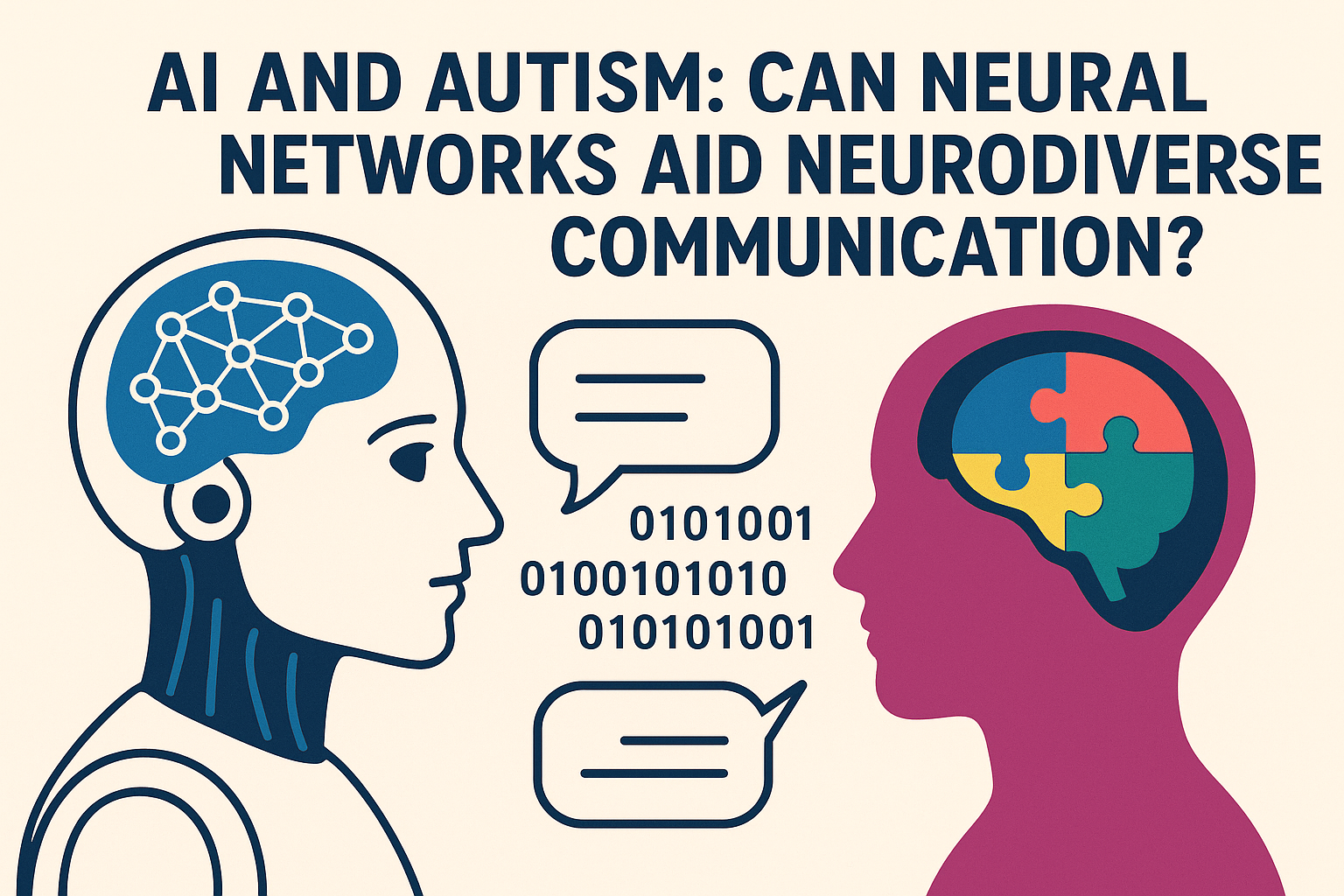
AI autism diagnosis can now happen in 15 minutes instead of 18 months. Here's what the accuracy data actually shows, and where it still falls short.
The largest randomized clinical trial of a VR exposure system for PTSD found it matched or beat the gold-standard talk-based treatment, especially for patients with co-occurring depression. A separate, much-discussed
AI memory tools range from clinically validated cognitive support for dementia patients to contested lifelogging and digital afterlife applications. Stuart Kerr examines the augmentation versus replacement distinction, and what responsible
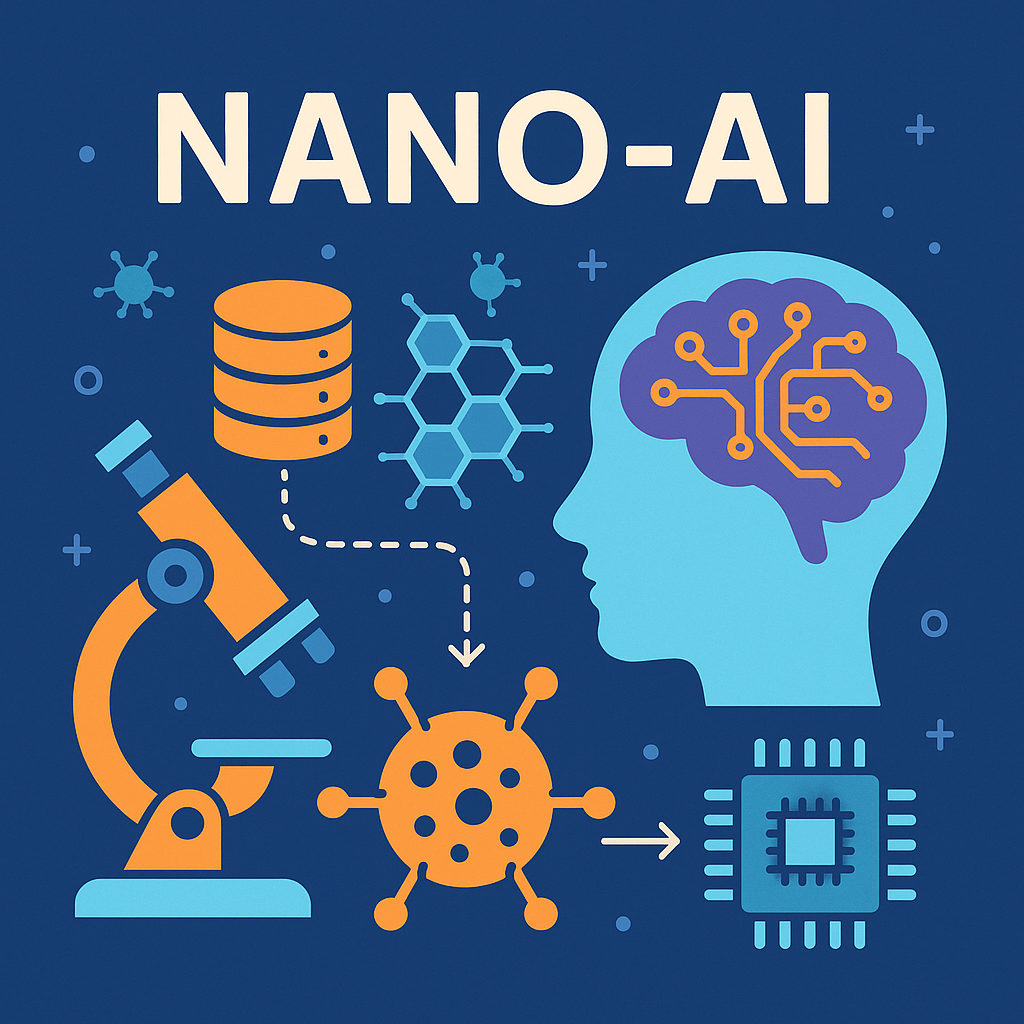
AI nanomedicine is speeding up how microscopic robots are designed and steered, but the therapies themselves are still years from reaching patients.
AI-generated models are displacing commercial fashion photography bookings at scale — raising urgent questions about labour, diversity, likeness rights, and whether the economics of modelling can survive the algorithm.
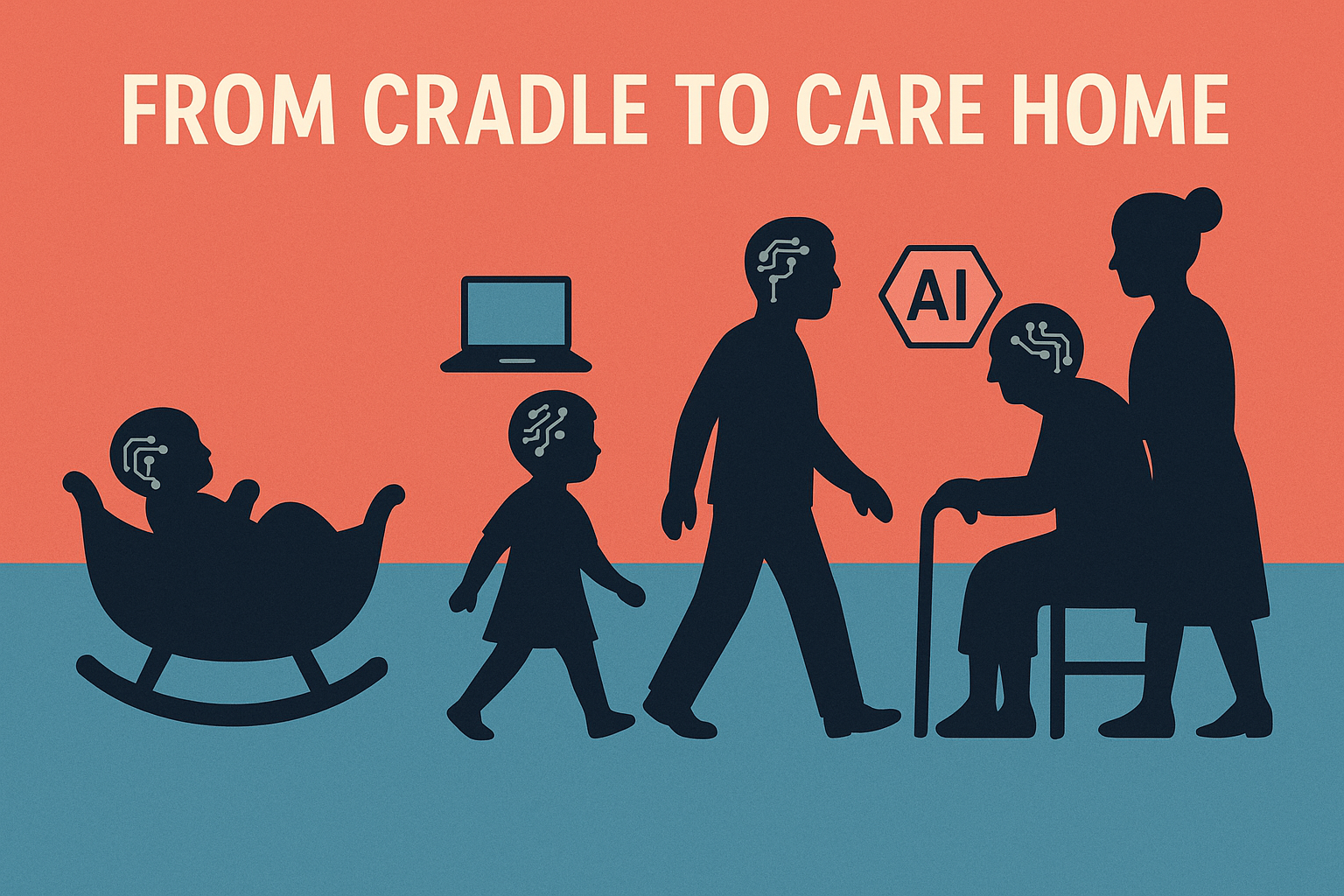
Personal robots are entering care homes, nurseries, and living rooms worldwide -- but can they genuinely look after us across the full arc of life, or are they a cost-cutting
AI is entering the operating room as surgical planner, real-time monitor, and autonomous operator -- transforming surgical practice faster than the regulatory frameworks designed to govern it.
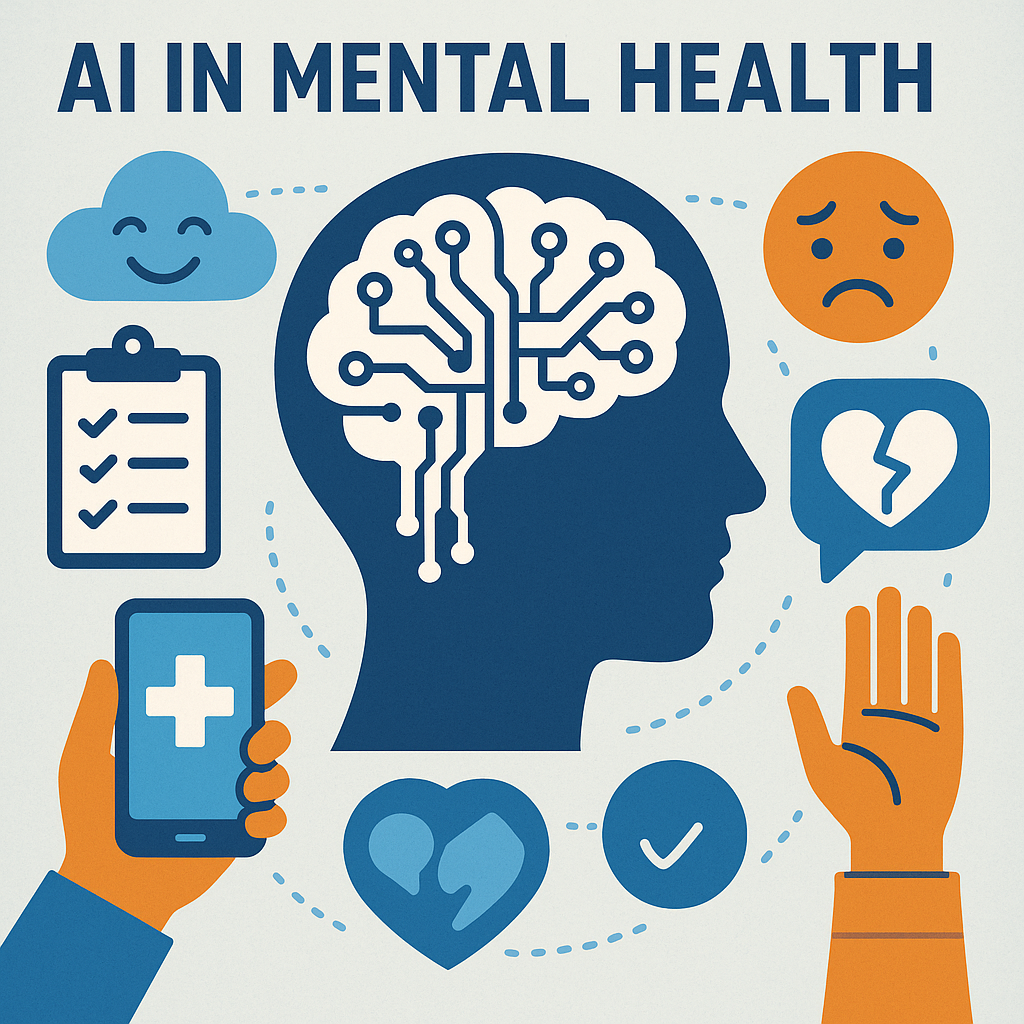
AI mental health tools can deliver structured self-help and symptom monitoring at scale -- but the claim that algorithms can understand empathy, and the regulatory gaps that allow inflated claims,
Machine learning is reshaping elite sport through injury prediction, tactical analysis, and talent identification. Here is what AI means for the games we watch and play.
AI pet wearables can now detect physiological distress in dogs before symptoms show, but the marketing claim that a collar can "translate" a bark is running ahead of the science.