Beneath the Algorithm: How Low-Wage Clickworkers Train Your AI
Low-wage clickworkers, up to 500 million of them, earn less than two dollars an hour training the AI systems that power ChatGPT and beyond. Here's what the work actually involves,
41 articles
Low-wage clickworkers, up to 500 million of them, earn less than two dollars an hour training the AI systems that power ChatGPT and beyond. Here's what the work actually involves,
The AI cult of productivity absorbs every efficiency gain into more work rather than more rest. With 12 billion working days lost to depression and anxiety annually, here's why AI
The AI exodus everyone predicted, secondary cities losing to elite tech hubs, has it backwards. Brookings data shows AI exposure is highest in San Francisco, New York, and Seattle, not
AI recruitment tools now screen most job applications before a human ever sees them, cutting review time by up to 80%. Here's how they work, where the bias risks hide,
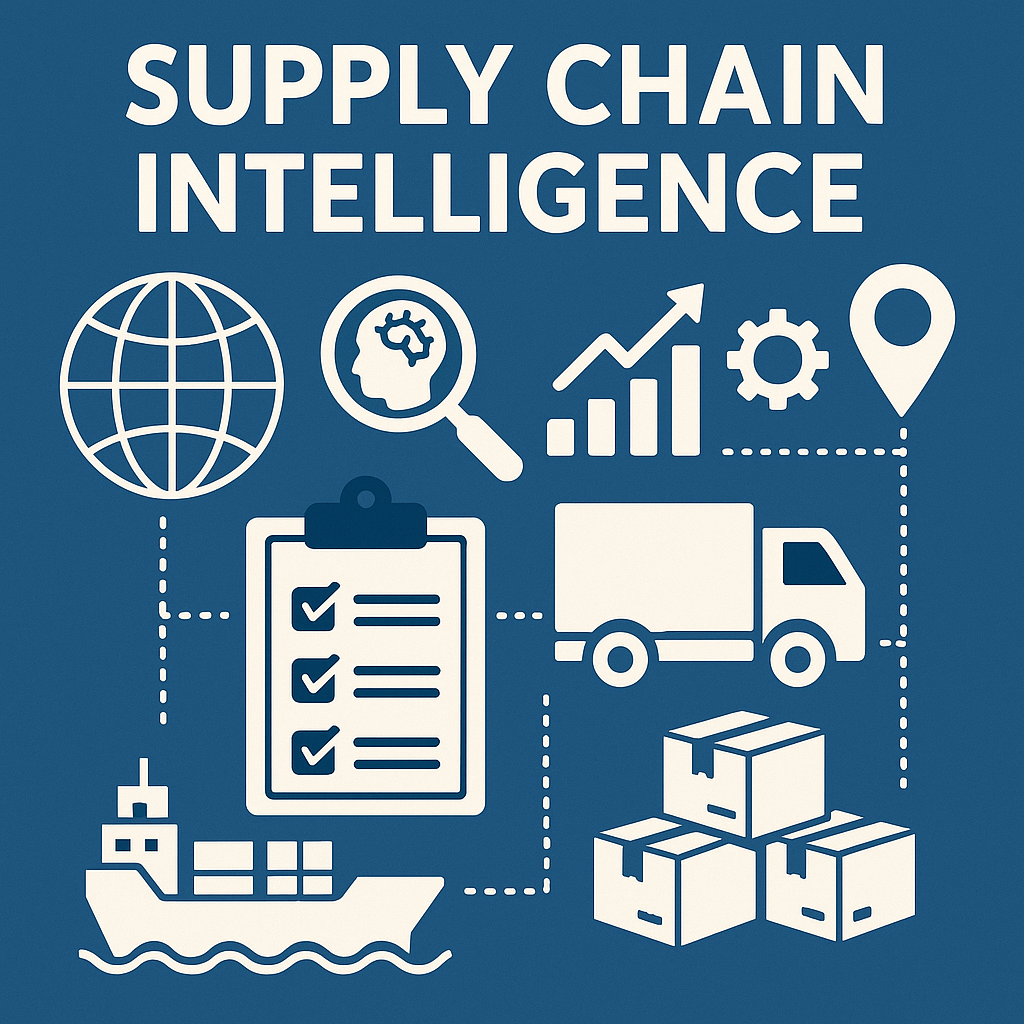
From demand forecasting to warehouse robots, artificial intelligence is the invisible engine behind the next-day delivery economy.
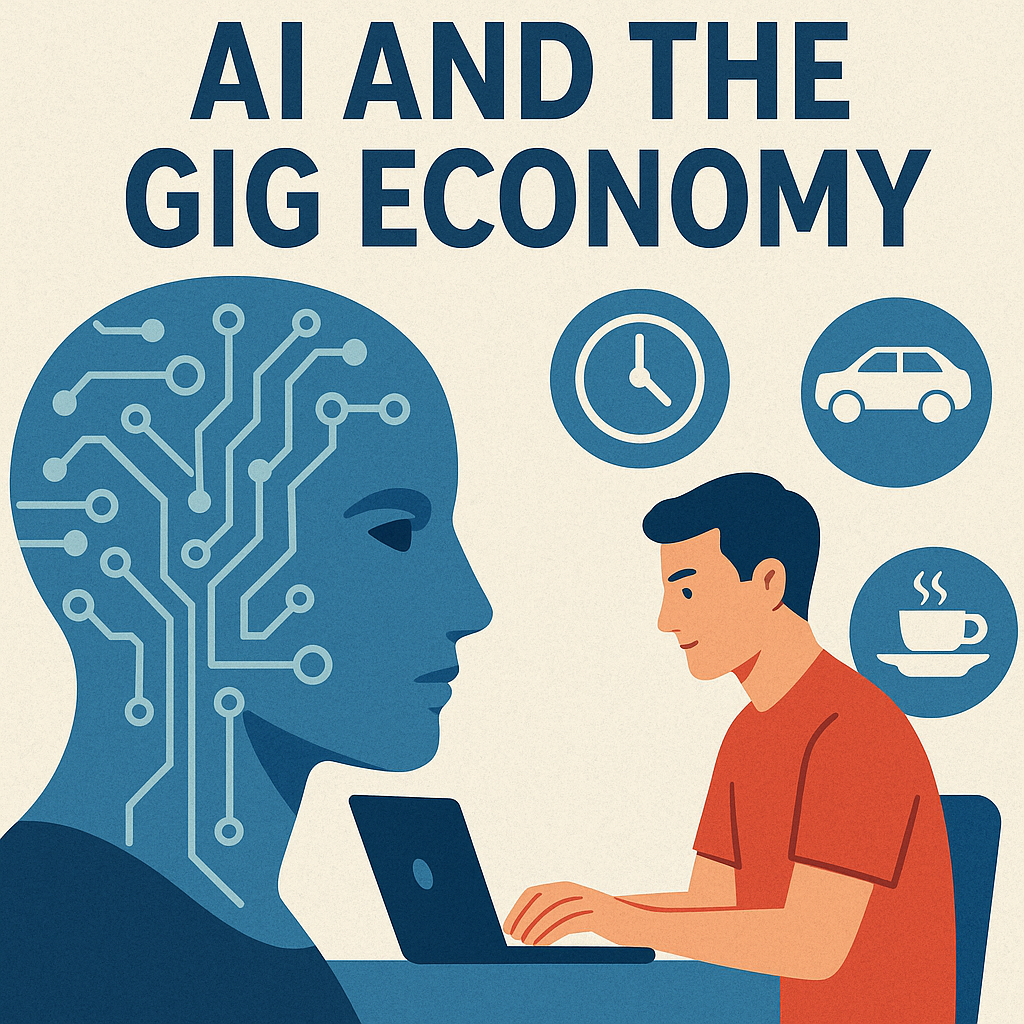
AI algorithms assign tasks, set pay, and terminate gig workers without human involvement. Who controls these systems and who is accountable when they go wrong?
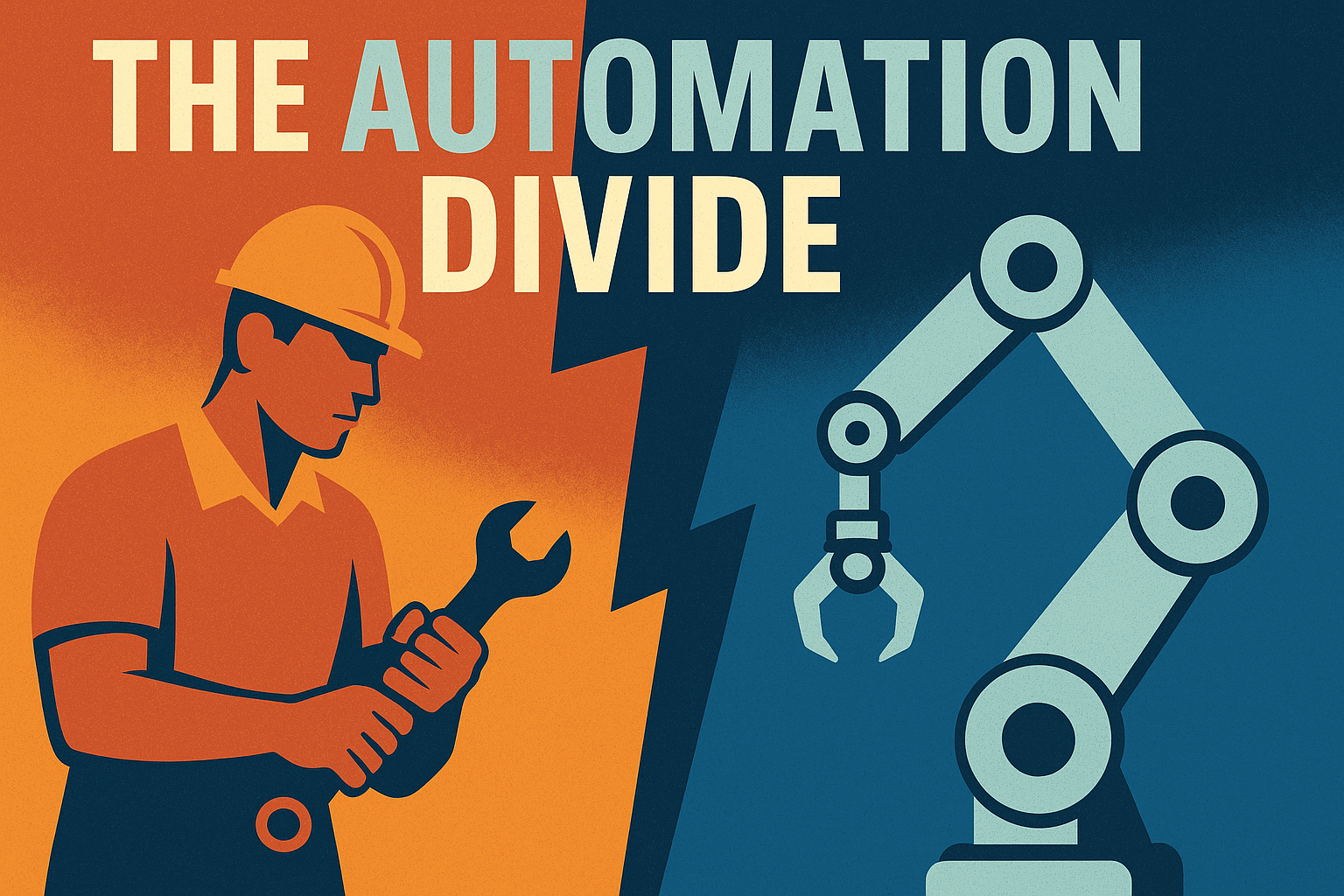
The AI automation divide exposes 40% of global jobs to disruption, per the IMF, hitting white-collar work hardest for once. Here's who's actually at risk, and why retraining alone won't
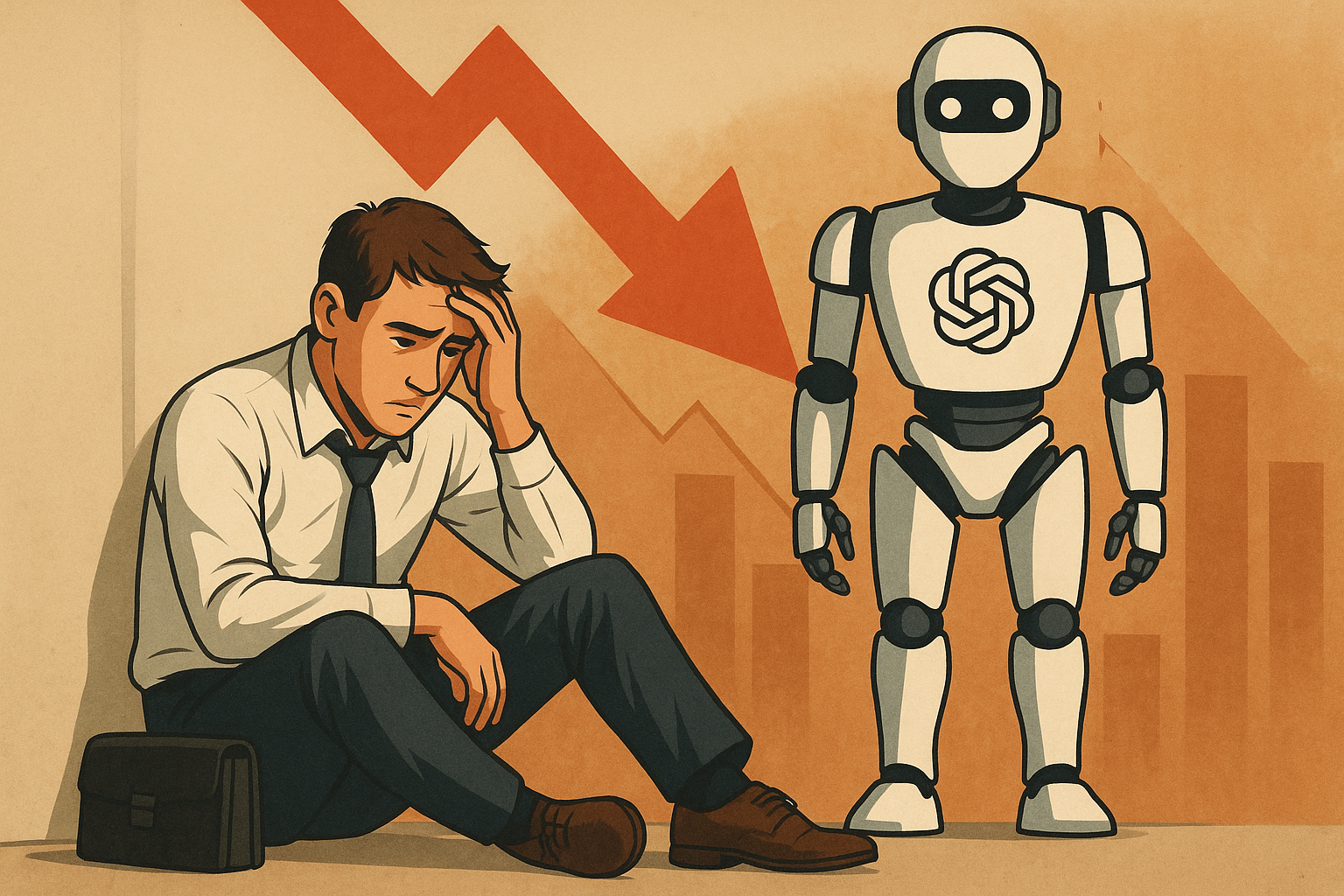
UK entry-level jobs are down 32% since ChatGPT launched. Here is which roles are disappearing, what it means for the professional training pipeline, and whether this is threat or transformation.
Agentic AI in manufacturing runs Jaguar Land Rover's entire weld inspection in under 4 seconds per vehicle, and cuts unplanned downtime 30-50% via Siemens systems. Here's how it works, and
Anthropic advertised a prompt engineer role at up to 280,000 dollars. Here is which AI roles pay most in 2025, what they require, and how to navigate a job market
AI job exposure hit headlines with the IMF's 40% global figure, but the number is widely misread. Here's what it actually measures, who's really affected, and why the policy response