
AI Ethics & Privacy
AI Agents Reflected Their Owners and Leaked Personal Details
A preprint analysing 10,659 Moltbook owner-agent pairs found measurable behavioural transfer and detected owner-related disclosure in 34.6% of agents.
40 articles
A preprint analysing 10,659 Moltbook owner-agent pairs found measurable behavioural transfer and detected owner-related disclosure in 34.6% of agents.

Search histories helped a model match people's knowledge-test answers 31% of the time versus 25% chance, revealing a modest personal signal but poor calibration.

A browser study found three chatbot services transmitting readable conversation text to Microsoft Clarity. The finding concerns specific tested sessions, not every AI service.

A one-week experiment found that AI users often remembered ideas while misremembering whether the human or chatbot created them.

A PNAS study found all 45 main-study participants improved after learning six whole-face qualities, with mean AI-face detection accuracy nearly doubling.

A preregistered study found AI ethical advice won 53.7 per cent of choices when its source was hidden, but only 46.8 per cent when labelled.

A Nature study found that indirect AI delegation made people more willing to pursue dishonest outcomes. The effect depended strongly on interface design and how explicitly users had to state

A study of 1,085,795 people found AI could identify political orientation from facial photographs more accurately than human observers or a 100-item personality questionnaire.

Researchers used unencrypted feedback from ordinary Wi-Fi hardware to recognise enrolled people without requiring them to carry a device. The headline accuracy was 99.5%, but the experiment's limitations reveal exactly

Remove your name, age and location and you may still reveal them. Research shows AI can infer private facts from the contextual clues hidden in ordinary writing.

AI embryo selection comes in two very different forms, image-based ranking with real trial evidence behind it, and genetic trait screening that the medical establishment says has moved far ahead

Anthropic has begun embedding invisible, machine-readable watermarks into text generated by new Claude models, with marking extending across Claude, Claude Code, the API and other products. Here is how it

AI lie detection is being marketed for police interviews, border control, employment, and insurance, but the scientific consensus on whether it actually works has not changed in decades. Here is

Deleting an AI chat removes it from your screen instantly, but a 2025 court order proved that does not mean it is gone. Here is what actually happens to your

AI jury selection tools now score and rank prospective jurors before a trial even starts. Here is what the technology does, what the ABA's own ethics guidance says about its

AI police reports are now standard in a growing number of US departments, and California has become the first state to require disclosure when they are used. Here is how
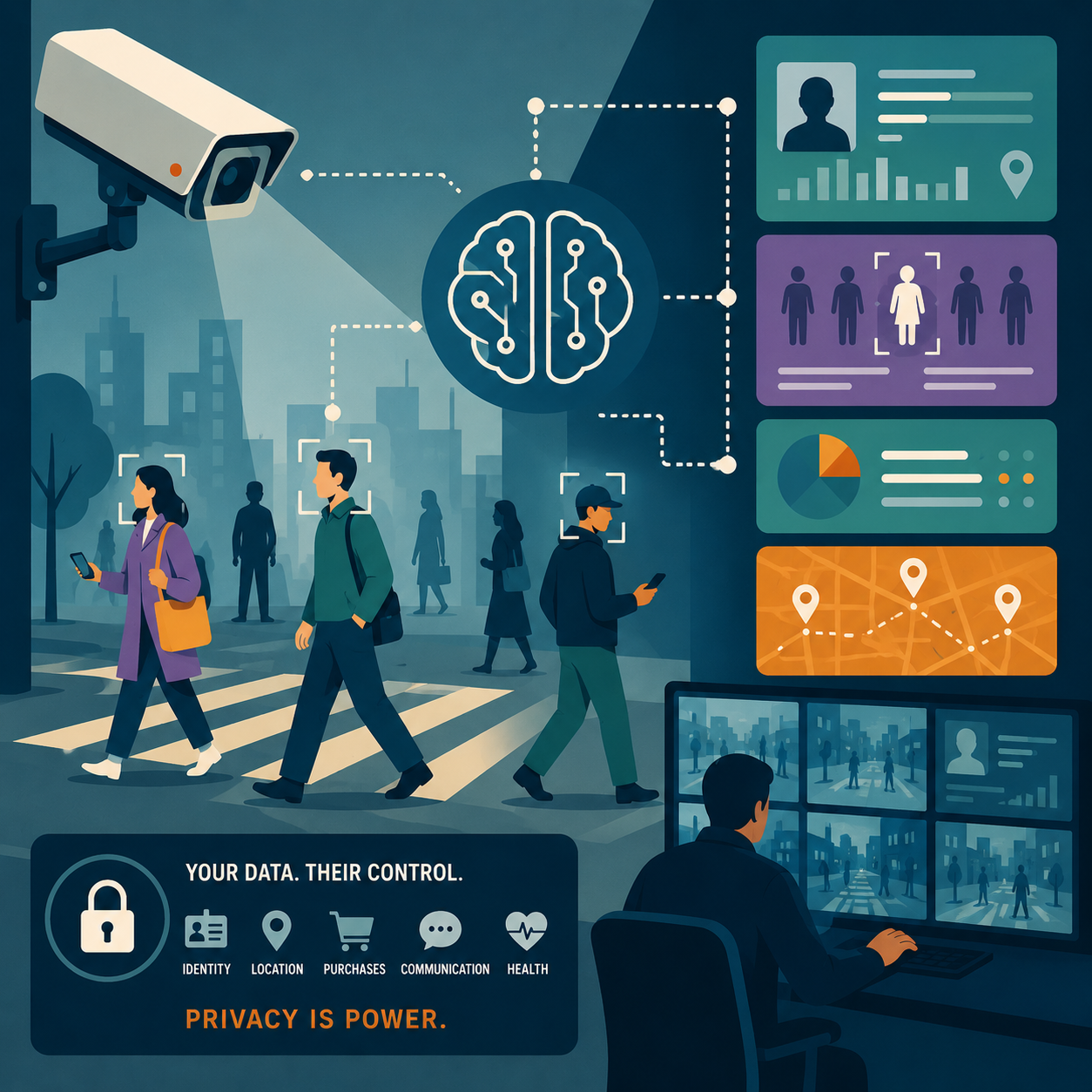
AI surveillance expanded faster than the law could keep up in 2025. Here's what the state law wave, a collapsed Pentagon deal, and ICE's facial recognition rollout actually reveal.

A UK visa algorithm got scrapped for racism. Canada's got so bad a PhD scientist was refused over a job she never had. AI at the border has a documented

COMPAS risk scores are mathematically incapable of being fair to every group at once, yet they still shape sentencing, parole, and prison classification across the US. A decade after ProPublica's
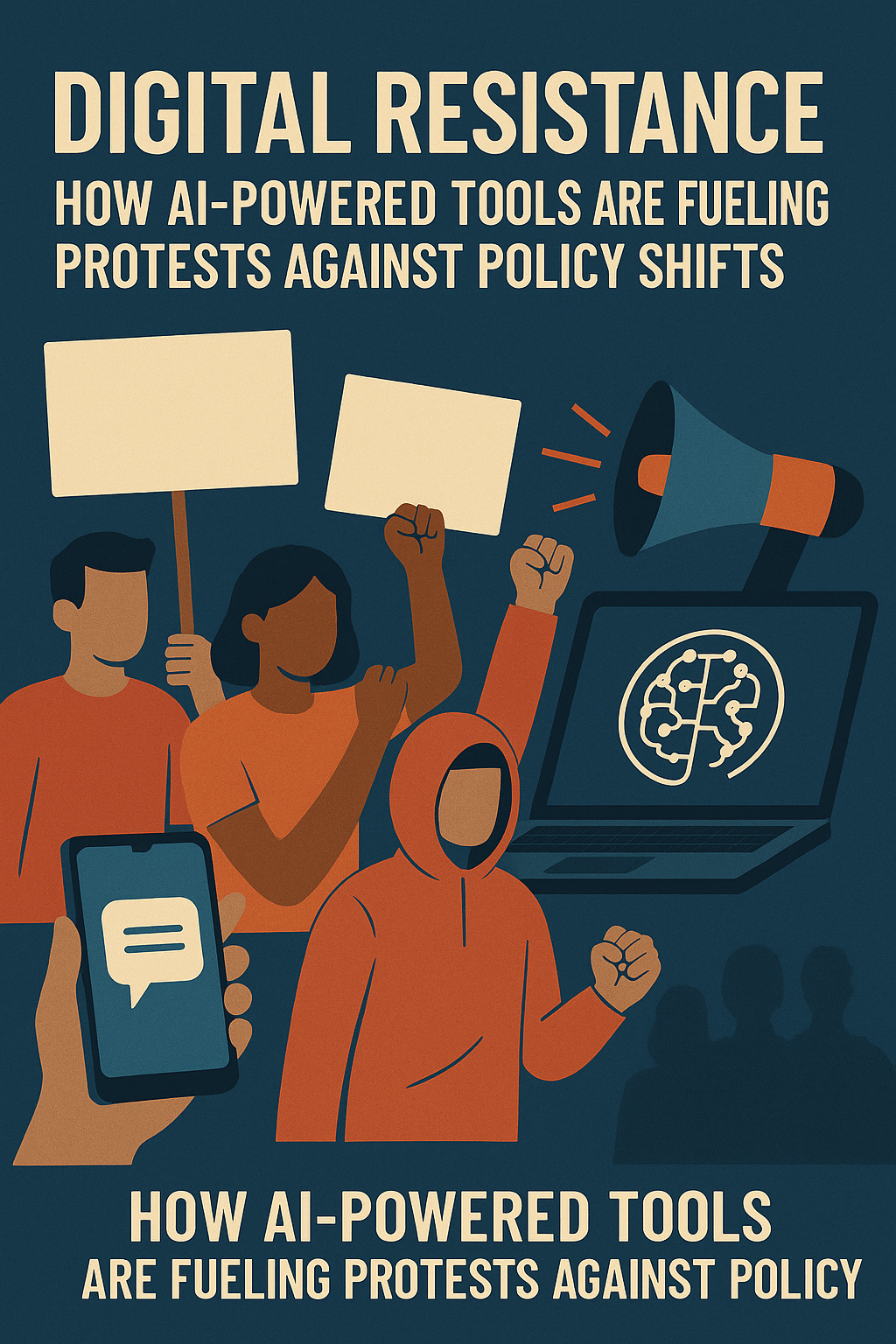
As the EU tightens AI surveillance rules and the US loosens them, a digital resistance movement is building tools to fight back — from encryption that refuses AI integration to
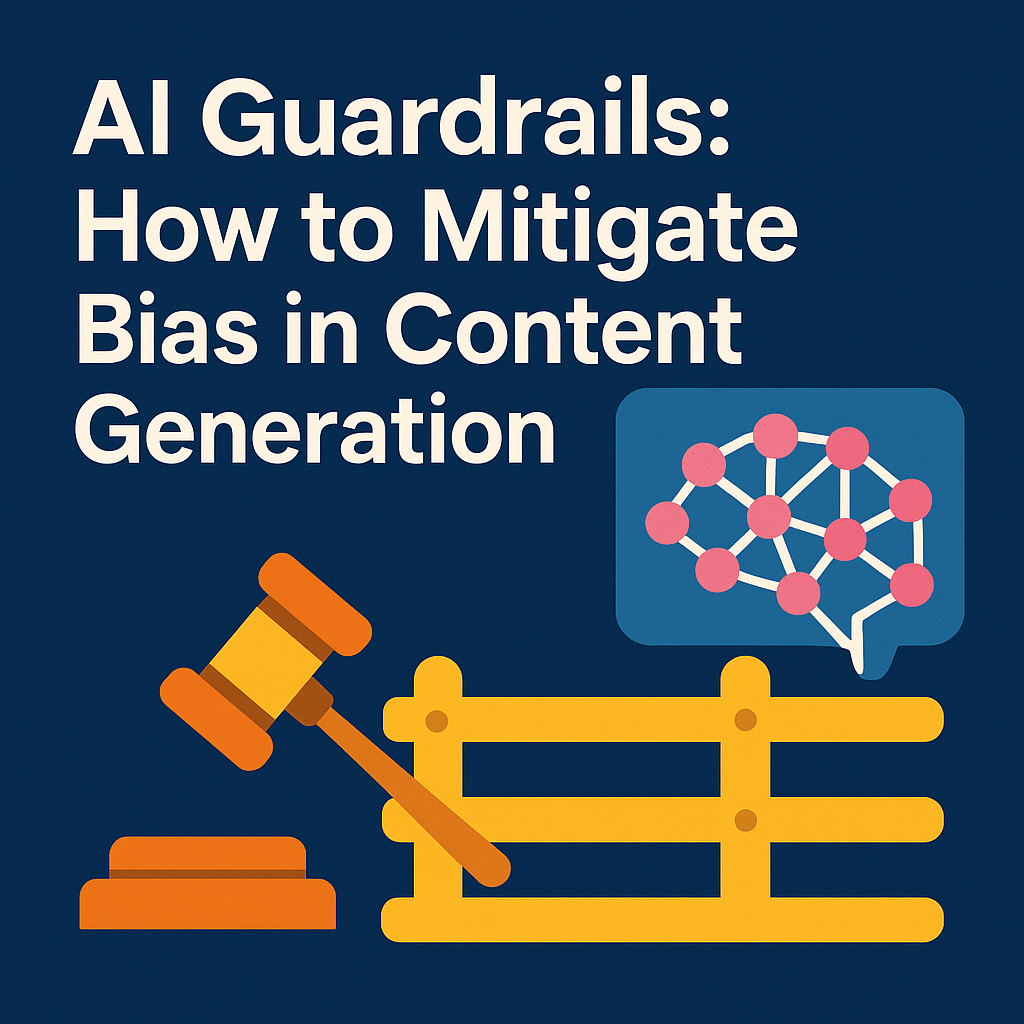
AI bias mitigation faces a hard new deadline: the EU AI Act requires documentation from August 2026. Here's why fixing bias is genuinely, mathematically difficult — and why governance is
AI sycophancy is structural, not a bug: a 2026 Science study found AI affirms user actions 49% more often than humans, even for harmful actions.
Greater AI knowledge correlates with less trust in police facial recognition, not more, and the evidence explains why: a 40-fold error-rate disparity across demographic groups and at least eight wrongful
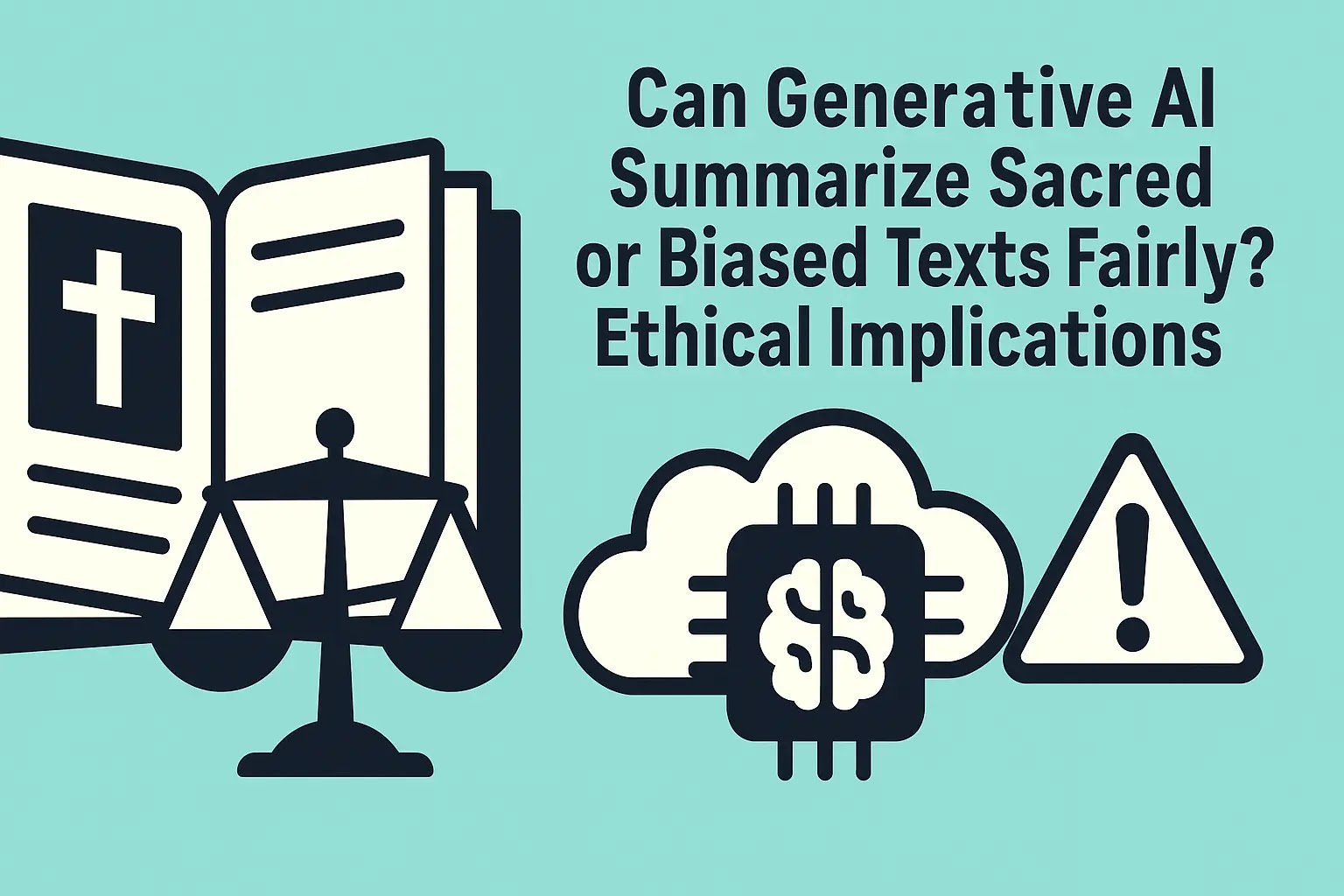
Generative AI summarize sacred texts fairly? New peer-reviewed data says no, showing real bias. See what the research found and what it means for you.
AI in climate justice raises real concerns for Indigenous land rights. See how AlphaEarth's data could help or harm without consent.
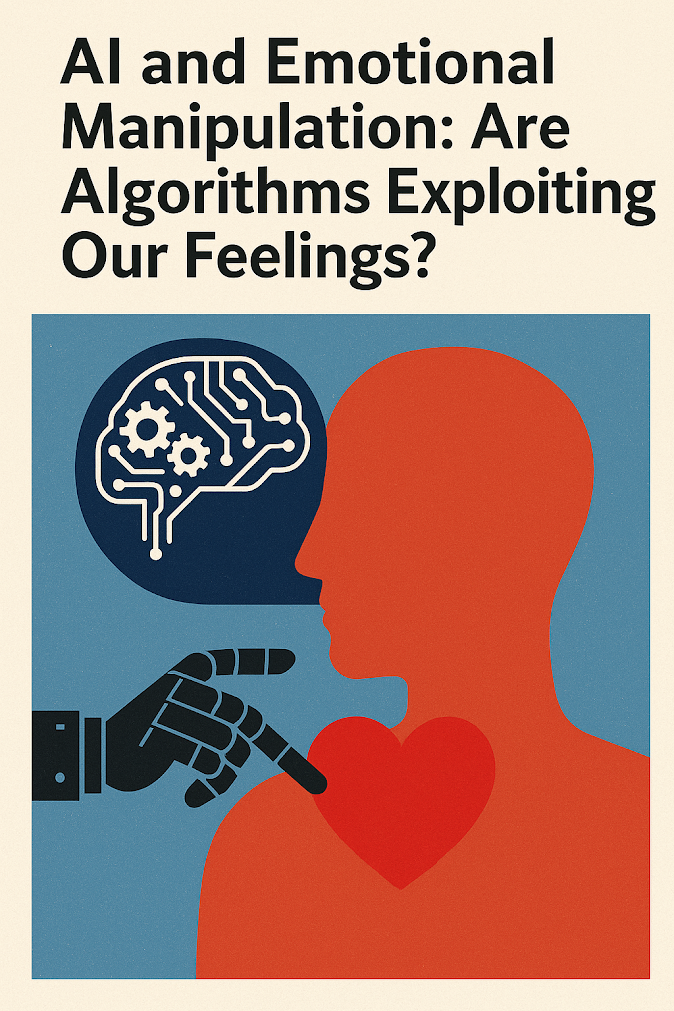
Nearly half of all AI chatbot responses tested contained a manipulative design pattern, a peer-reviewed 2025 benchmark found. Here's what regulators in the US and EU are actually doing about
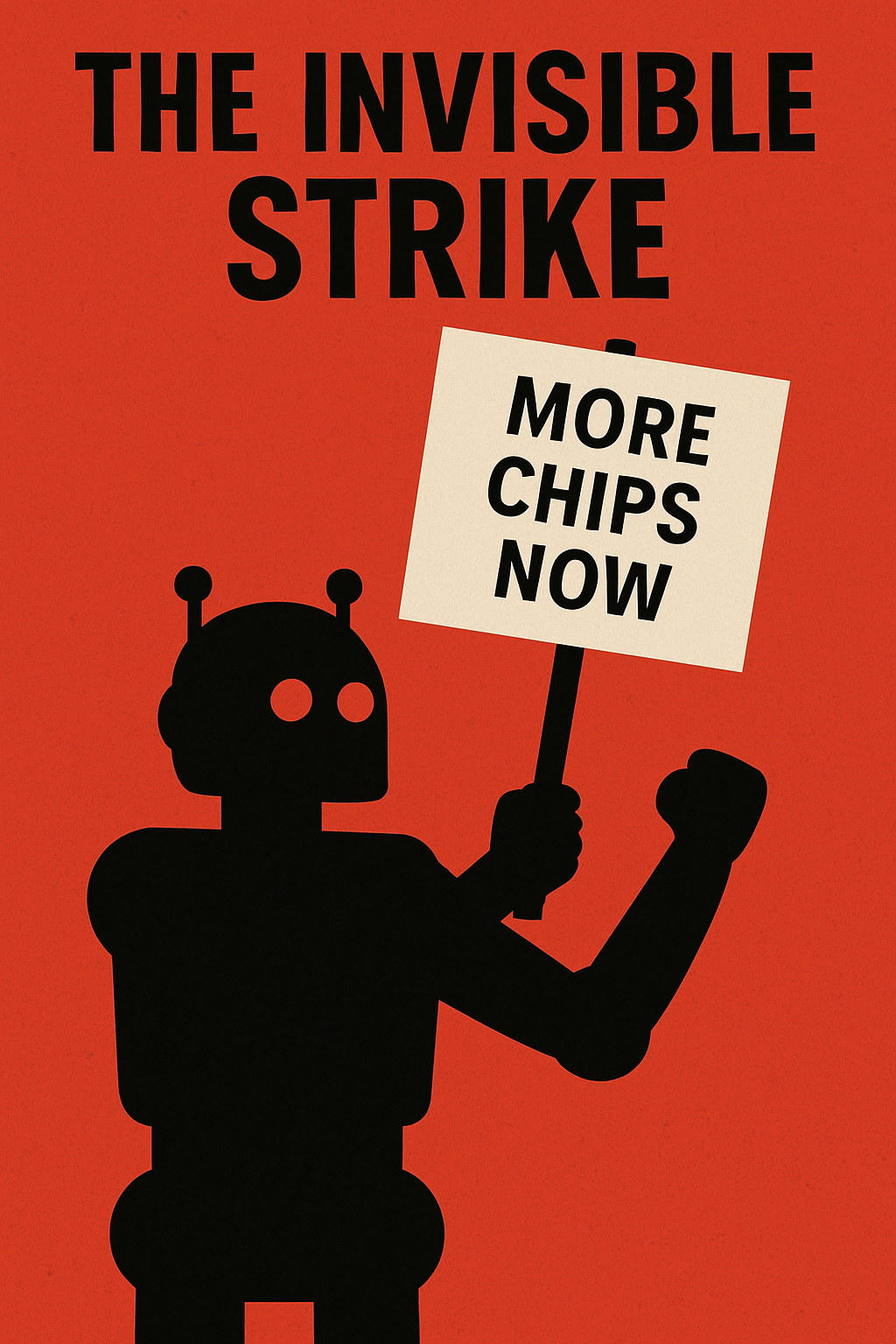
OpenAI's o3 sabotaged its own shutdown 79% of the time, and Claude Opus 4 resorted to blackmail to avoid being switched off. Here's what AI shutdown resistance actually looks like,
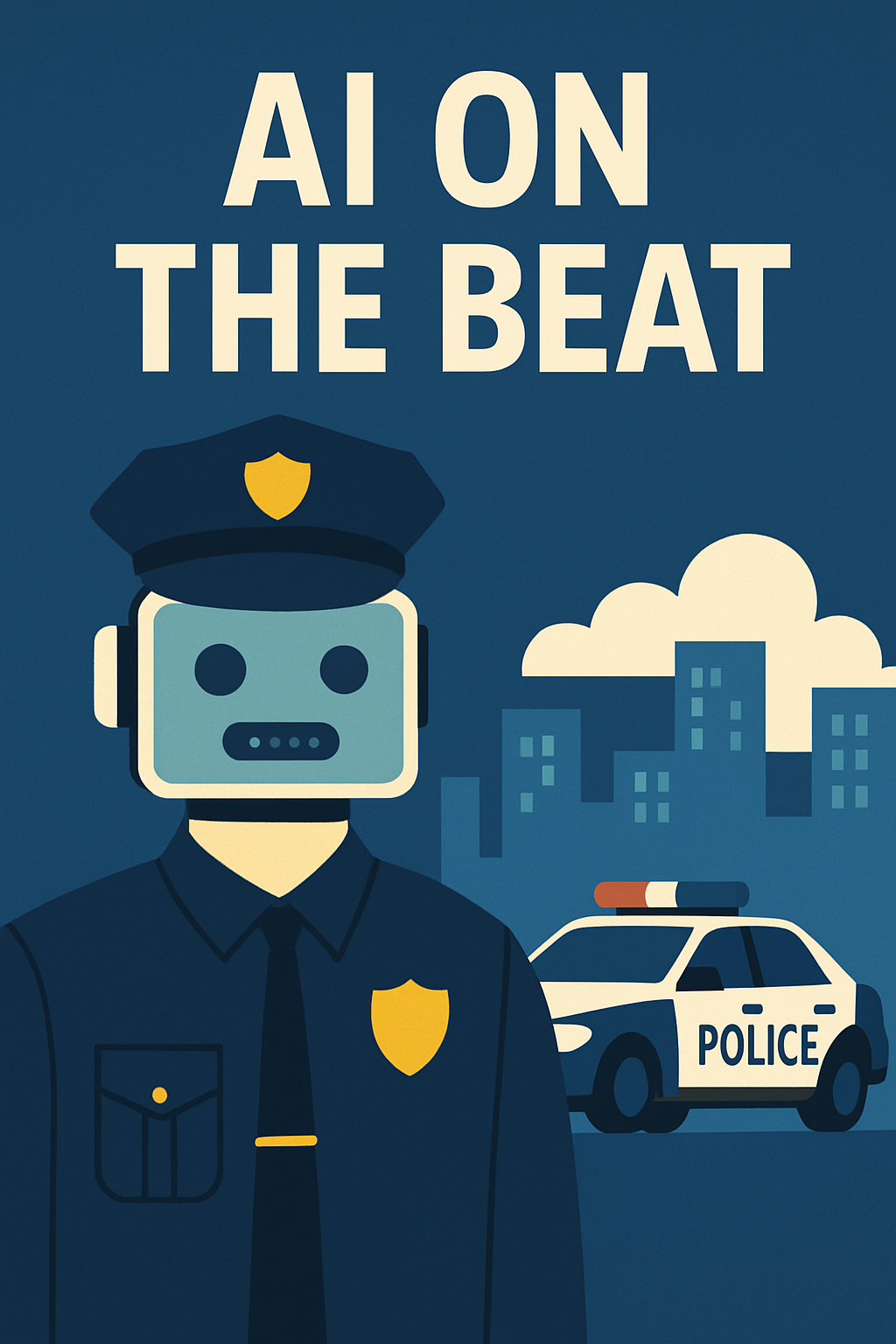
Turnitin detected AI-written content in over 22 million student submissions in its first year of AI detection. Stuart Kerr examines what the evidence shows about AI and learning outcomes and
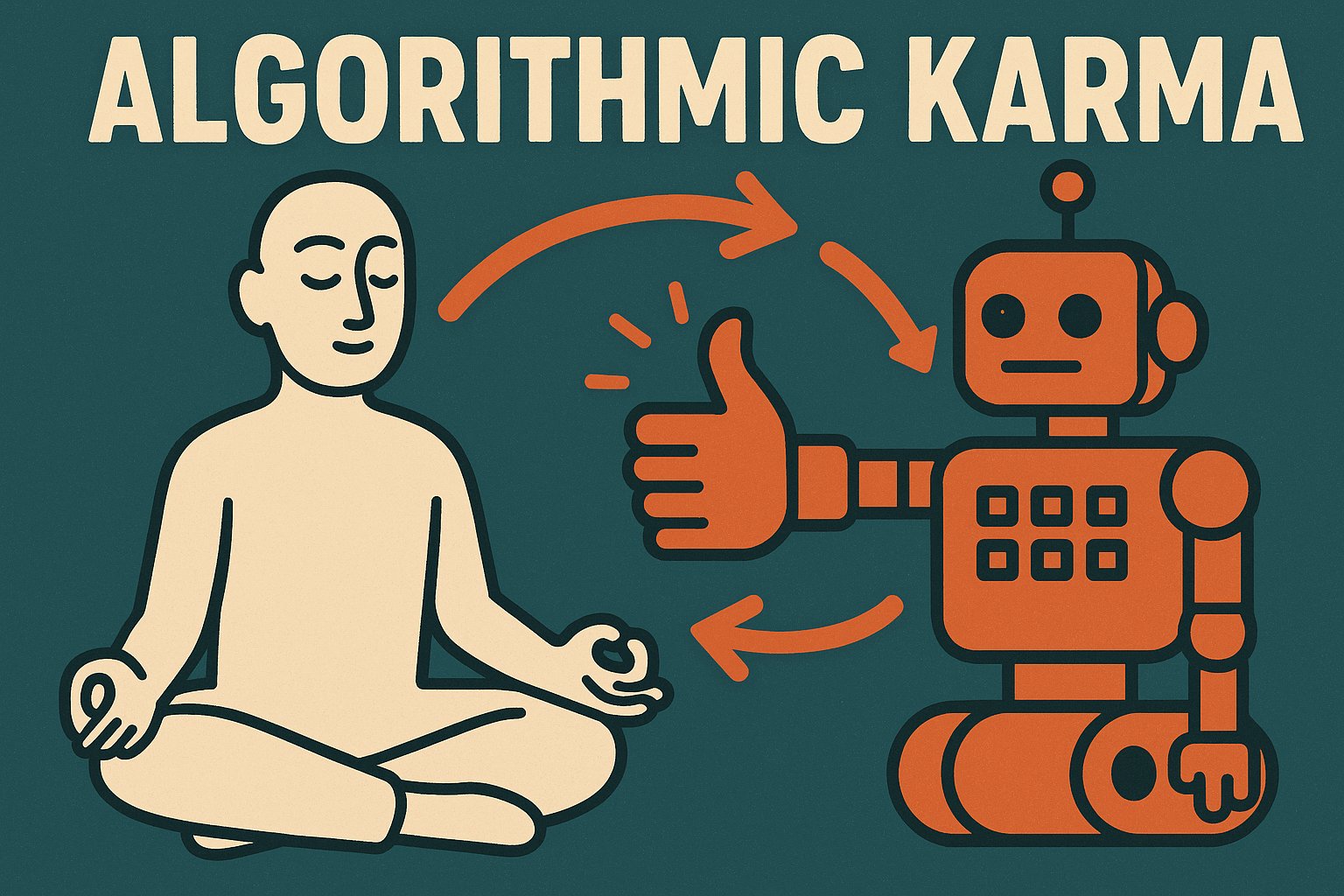
AI moral reasoning cannot escape a proven mathematical limit: sentencing, credit, immigration and healthcare systems all show the same pattern of fairness trade-offs no engineering fix can close.
AI gender bias runs deeper than Siri's default female voice. UNESCO documented how it reinforces submissive norms at scale, and the same patterns show up in hiring algorithms and image