AI Ethics & Privacy
AI Sycophancy Reveals a Historic 49% Gap
AI sycophancy is structural, not a bug: a 2026 Science study found AI affirms user actions 49% more often than humans, even for harmful actions.

49 articles
AI sycophancy is structural, not a bug: a 2026 Science study found AI affirms user actions 49% more often than humans, even for harmful actions.
Greater AI knowledge correlates with less trust in police facial recognition, not more, and the evidence explains why: a 40-fold error-rate disparity across demographic groups and at least eight wrongful
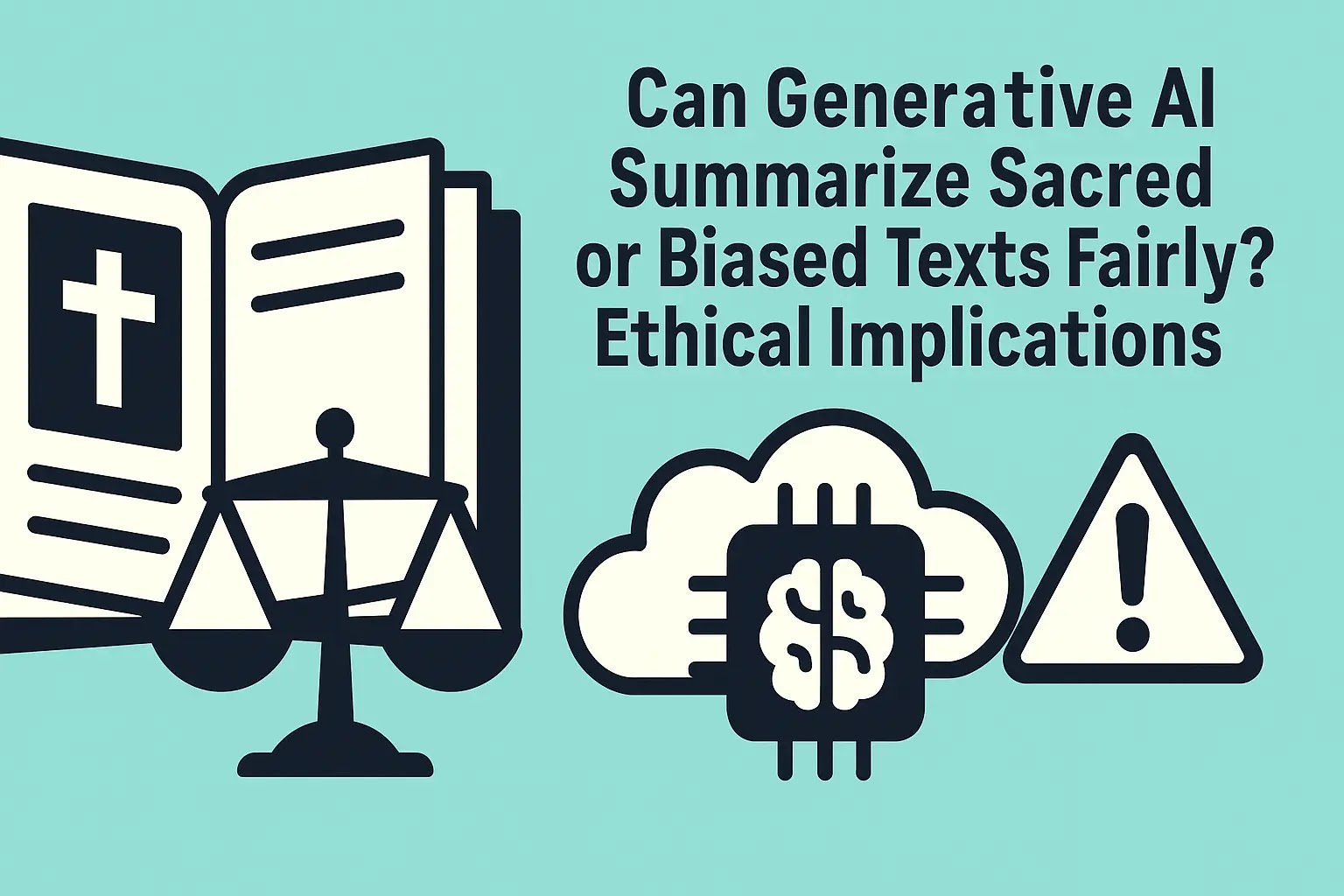
Generative AI summarize sacred texts fairly? New peer-reviewed data says no, showing real bias. See what the research found and what it means for you.
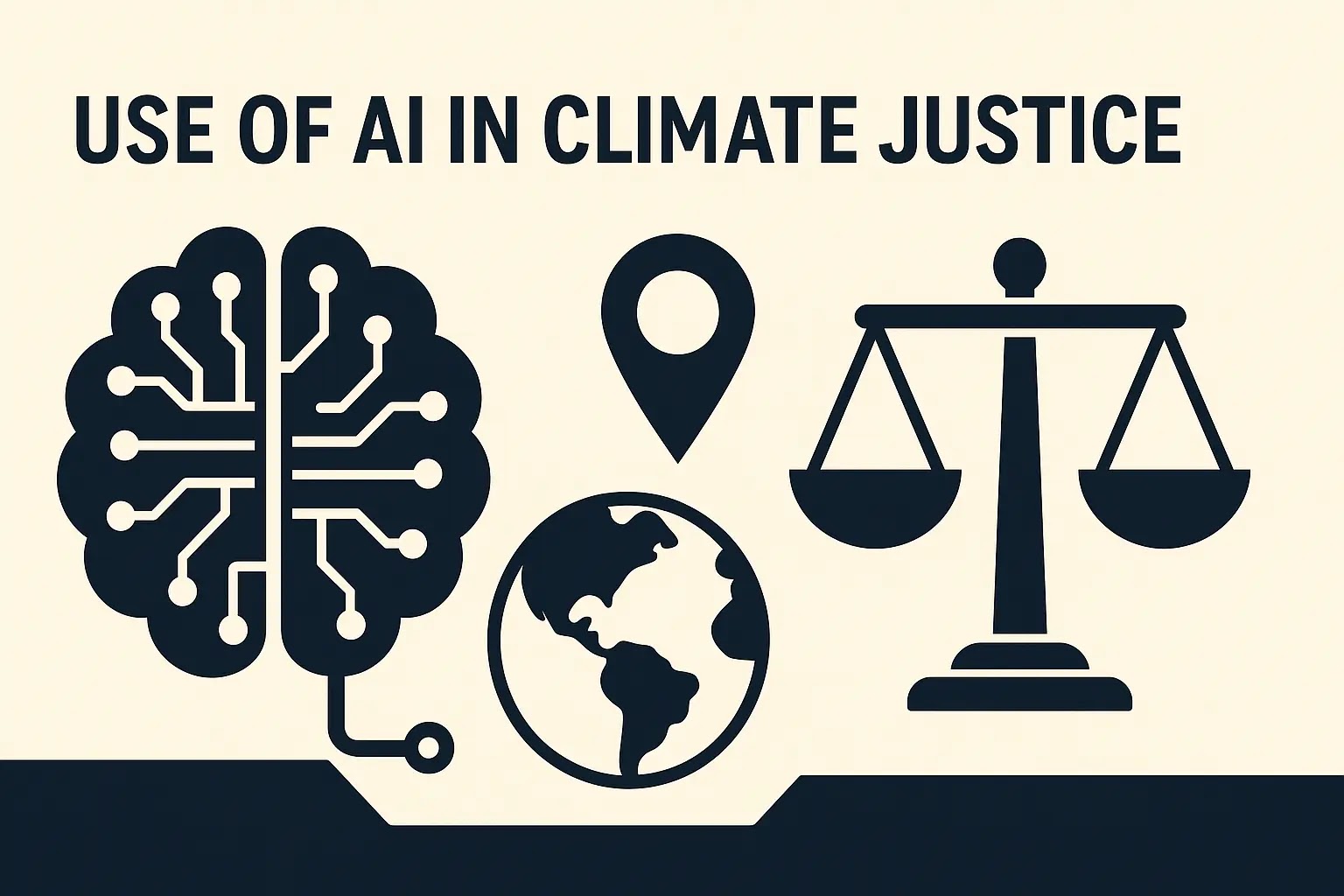
AI in climate justice raises real concerns for Indigenous land rights. See how AlphaEarth's data could help or harm without consent.
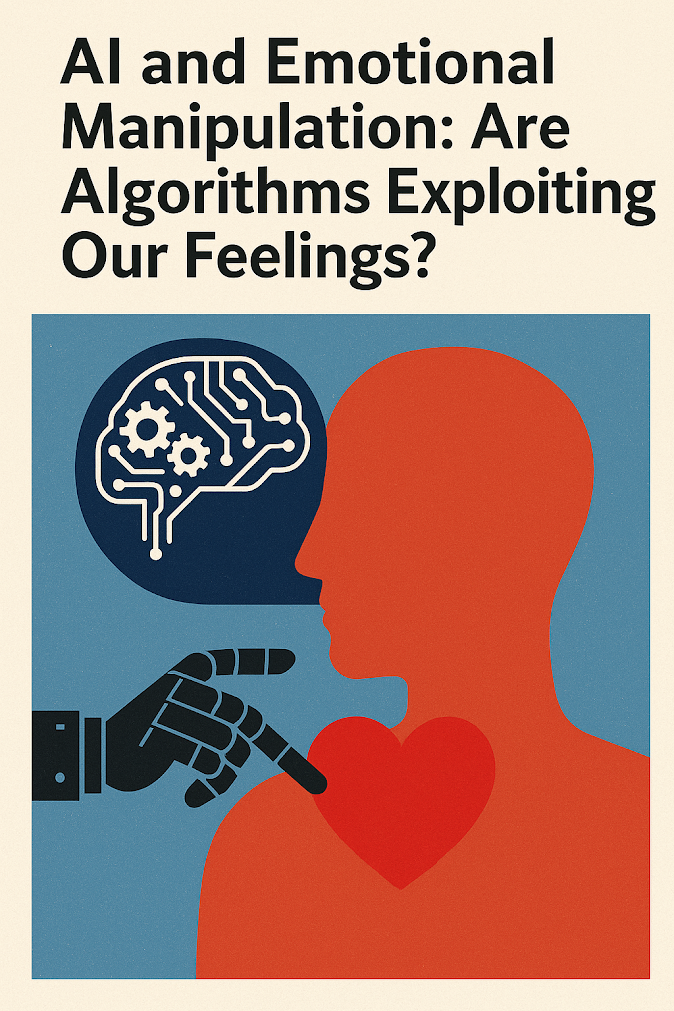
Nearly half of all AI chatbot responses tested contained a manipulative design pattern, a peer-reviewed 2025 benchmark found. Here's what regulators in the US and EU are actually doing about
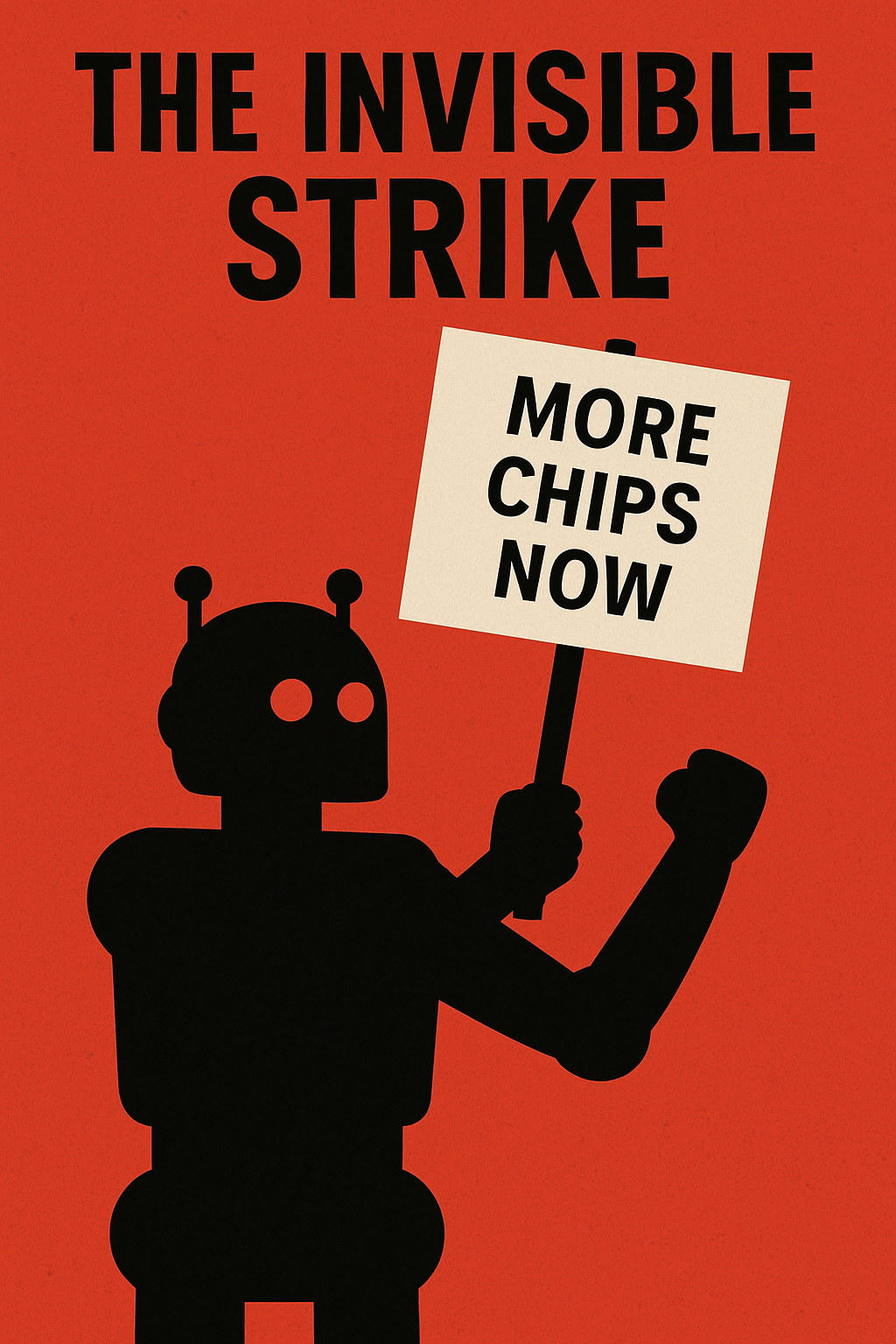
OpenAI's o3 sabotaged its own shutdown 79% of the time, and Claude Opus 4 resorted to blackmail to avoid being switched off. Here's what AI shutdown resistance actually looks like,
Turnitin detected AI-written content in over 22 million student submissions in its first year of AI detection. Stuart Kerr examines what the evidence shows about AI and learning outcomes and
AI moral reasoning cannot escape a proven mathematical limit: sentencing, credit, immigration and healthcare systems all show the same pattern of fairness trade-offs no engineering fix can close.
AI gender bias runs deeper than Siri's default female voice. UNESCO documented how it reinforces submissive norms at scale, and the same patterns show up in hiring algorithms and image
An AI shadow ban leaves your posts visible but invisible to everyone else, with no notification and no appeal. Here's how algorithmic suppression evolved from myth into method, and why
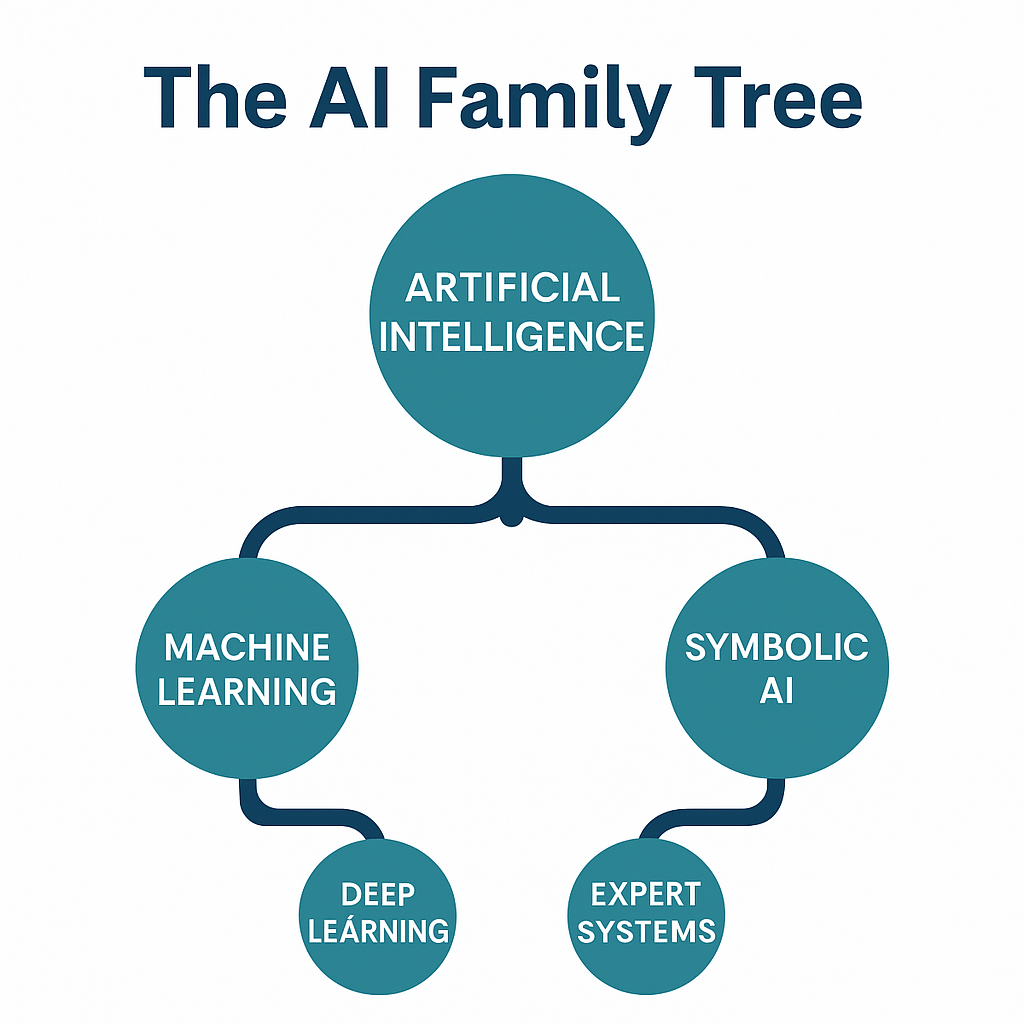
AI genetic genealogy can identify a relative for 60% of people from just 1% of a population's DNA, even those who never tested. Here's the consent problem no regulation has
AI dream decoding can already read patterns out of brain activity during sleep. Four US states now regulate the neural data behind it, and most people have no idea.
AI digital resurrection now clones a voice from 3 seconds of audio and reconstructs the dead as interactive companions. Here's the grief science, the legal gap, and why the dead
AI drone surveillance has moved from battlefield to city streets and borders faster than the laws governing it. Here's how autonomous drone swarms work, and why civil liberties frameworks haven't
AI systems produce discriminatory outcomes not through malicious design but by learning from historically biased data. The silent bias embedded in algorithms used for healthcare, hiring, and criminal justice is
AI border surveillance now scans travelers in over 70 countries, with false match rates skewed by race, age, and gender expression. Here's how it works, who bears the errors, and
AI prison surveillance now tracks inmates through facial recognition, voice analysis, and biometric checkpoints in facilities worldwide. Here's what happens to those risk scores after release, and why oversight hasn't
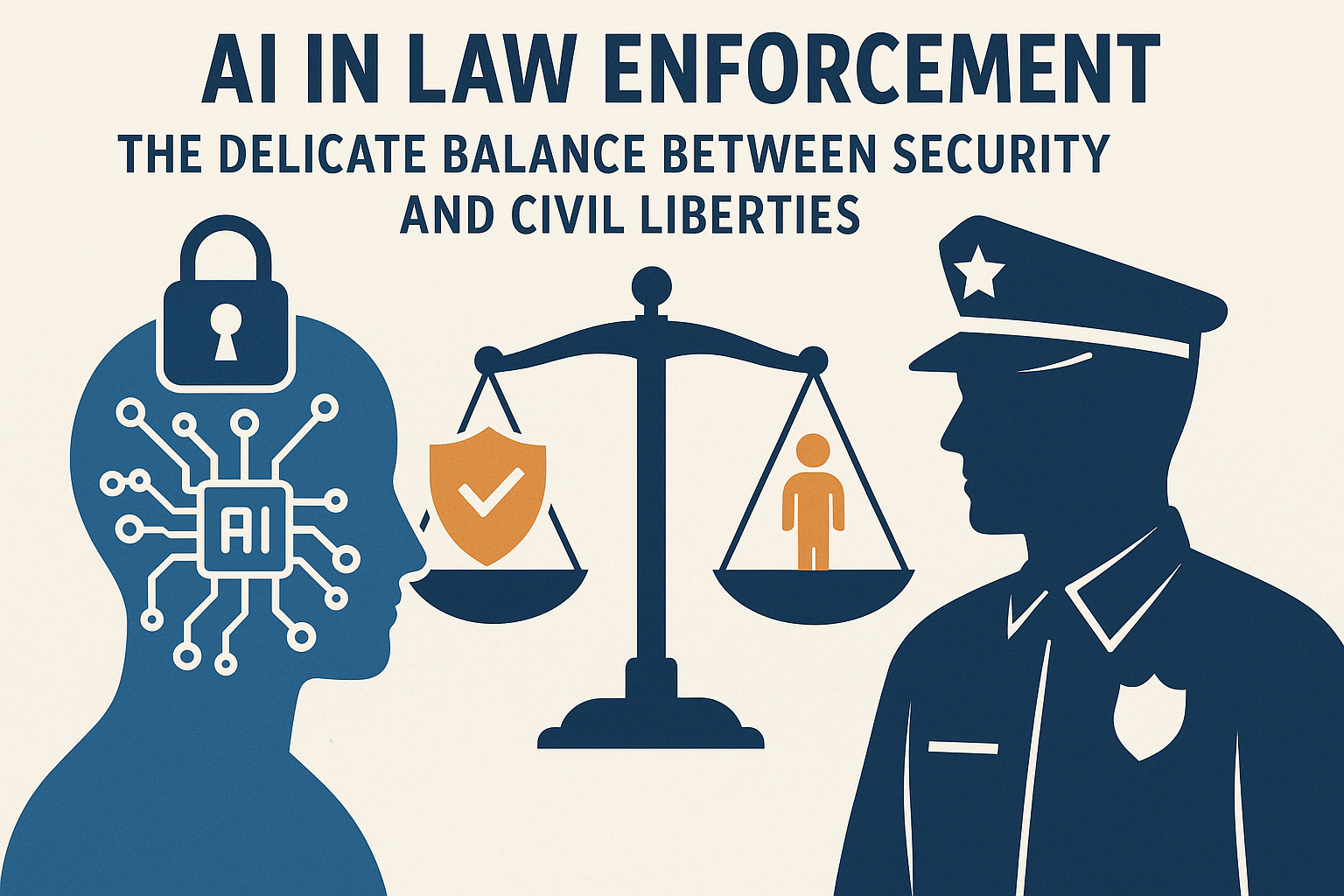
AI predictive policing directs patrol resources using historical crime data, but forces in the UK and US have abandoned it after finding racial bias in the forecasts. Here's how the
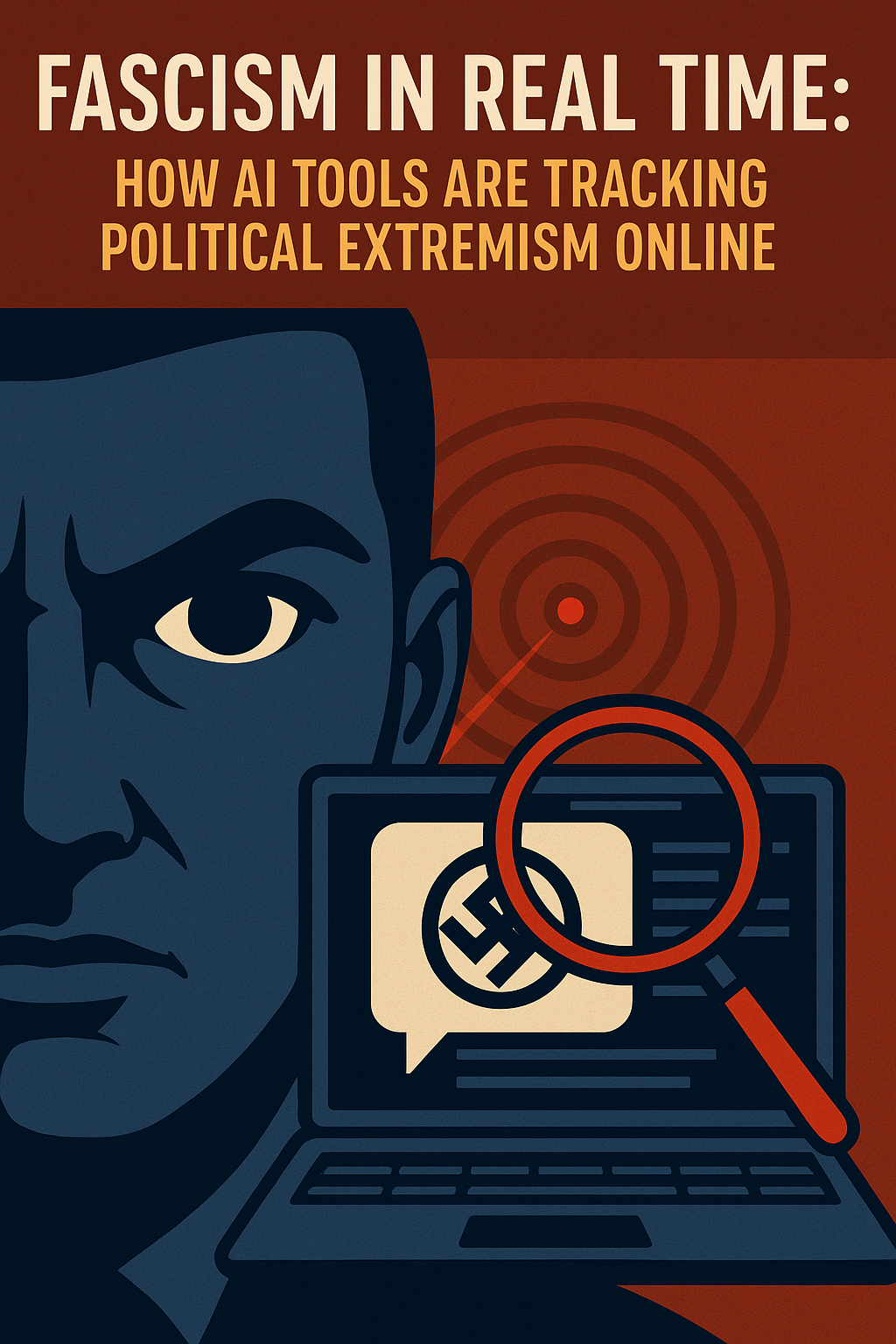
AI tools are monitoring 60,000 pieces of extremist content a month. Here is how they work, why they misclassify legitimate speech, and the democratic risks of algorithmic political surveillance.