
By Stuart Kerr, Technology Correspondent, LiveAIWire
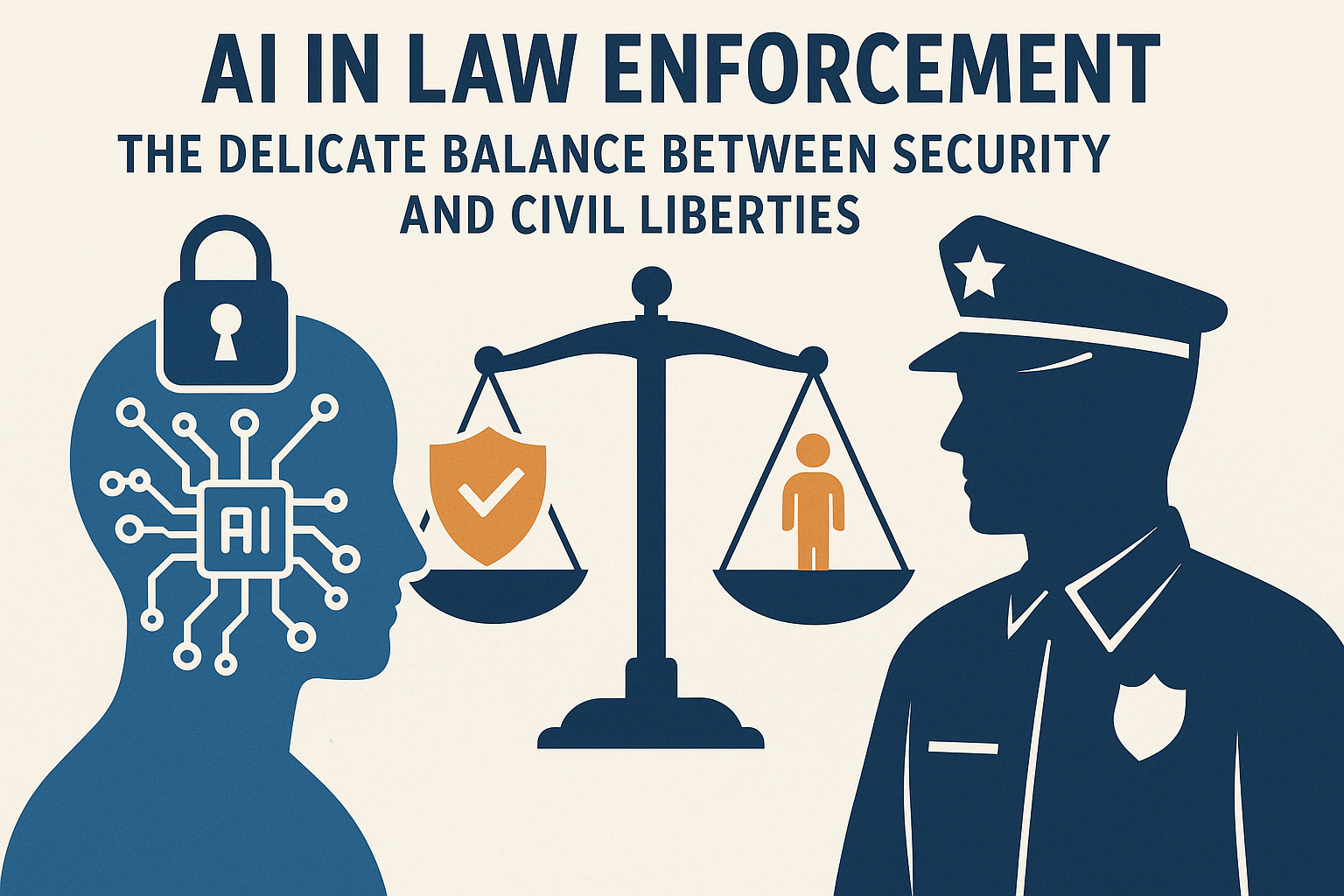
AI predictive policing has been deployed and subsequently abandoned by several UK and US police forces following evidence of racial bias, a pattern that reveals the deeper problem with feeding historical crime data into forecasting systems. Predictive policing algorithms use historical crime data to forecast where crimes are likely to occur and direct patrol resources accordingly.
The fundamental problem is the same as in algorithmic risk assessment for prisons: systems trained on historical policing data learn to replicate historical policing patterns. If certain communities have historically been over-policed relative to their actual offending rates, predictive algorithms trained on arrest data will direct more patrol resources to those communities, generating more arrests, which become training data for the next generation of the algorithm, creating a self-reinforcing cycle of disproportionate policing.
The College of Policing in the UK has developed ethical guidance on AI use in policing that explicitly addresses algorithmic bias, requiring forces to conduct equality impact assessments before deploying predictive tools and to monitor outcomes for disproportionality. Implementation of this guidance varies considerably across the 43 forces in England and Wales.
Where AI Predictive Policing Intersects With Facial Recognition
AI predictive policing does not operate in isolation. It sits alongside facial recognition, automated licence plate readers, and other identification tools that together form the wider surveillance apparatus of modern policing, a landscape LiveAIWire has examined in depth in our coverage of facial recognition and law enforcement. Rather than repeat that analysis of accuracy and bias in identification systems, this piece focuses on the forecasting layer: how forces decide where to send officers before any individual has been identified as a suspect.
Evidence, Accountability, and Police Legitimacy
AI is also transforming how police handle evidence, with implications for both investigative effectiveness and accountability. AI analysis of CCTV footage, bodycam recordings, and digital communications can process volumes of evidence that human analysts could not review in the available time. This is a genuine investigative benefit that has supported serious crime investigations. It is also a capability that, if misused or inadequately governed, could compromise the fairness of criminal proceedings.
The risk of over-reliance on AI evidence is real. Juries and judges who encounter AI-generated analysis of evidence may give it unwarranted authority relative to its actual reliability. Defence lawyers who lack the technical expertise to challenge AI evidence effectively may be at a structural disadvantage. The principle that defendants have a right to understand and challenge the evidence against them is genuinely threatened when that evidence is generated by opaque algorithmic systems.
The Forensic AI Governance Gap
The forensic science dimension of AI predictive policing and evidence analysis raises specific due process concerns beyond surveillance. AI tools that analyse DNA, fingerprints, digital device content, and voice recordings for evidence are being used in criminal investigations with varying degrees of validation and transparency. The Forensic Science Regulator in England and Wales has published guidance on AI validation requirements for forensic applications that is more rigorous than the guidance applying to operational policing AI.
The contrast between the standards applied to forensic AI, where the scientific validity of methods can be challenged in court, and operational policing AI such as predictive patrol tools, where the basis for decisions is often opaque and unchallengeable, reflects a governance inconsistency that defence lawyers and civil liberties organisations have consistently identified as problematic. The Alan Turing Institute’s policy work on AI in policing provides an authoritative and balanced analysis that is directly relevant to the policy questions that police and crime commissioners and elected officials are being asked to decide, echoing the same forensic accountability gap LiveAIWire has traced in our coverage of AI evidence in court.
What This Means for You
If you live in an area with active AI predictive policing deployment, patrol resources in your community may already be shaped by algorithmic forecasts you have no visibility into. You have limited legal recourse in most UK jurisdictions to challenge how these forecasts are generated. What you do have is a democratic voice: the decisions about whether and how predictive policing is used are ultimately made by elected officials and police and crime commissioners who are accountable to the public. This same accountability gap runs through LiveAIWire’s coverage of AI prison surveillance, where similarly opaque risk-forecasting tools shape decisions about liberty with limited independent oversight.
The cumulative weight of evidence from independent academics, civil society organisations, and statutory bodies makes a compelling case that the current governance framework for AI predictive policing is inadequate and requires strengthening through primary legislation that sets clear standards, requires transparency, mandates independent audit, and creates meaningful redress for individuals harmed by policing errors.
About the Author
Stuart Kerr is Technology Correspondent at LiveAIWire, covering artificial intelligence, cybersecurity, and the social impact of emerging technology. He publishes daily at LiveAIWire.com.