
By Stuart Kerr, Technology Correspondent, LiveAIWire
AI data centre demand is no longer just about algorithms and automation, it is about water, electricity, and neighbourhoods. As generative models explode in size and demand, the infrastructure powering them is quietly reshaping local communities, straining resources, and raising uncomfortable questions about transparency and sustainability.
As artificial intelligence races forward, a quieter crisis is unfolding beneath the surface: the rising environmental and societal cost of data centres. From Arizona to São Paulo, towns and cities are finding themselves caught between the promises of digital innovation and the realities of local resource depletion. A recent investigation by The New York Times revealed that Meta’s Altoona, Iowa facility was quietly siphoning municipal water supplies to cool its AI infrastructure, leaving neighbouring households dry.
The Invisible Thirst Behind AI Data Centre Demand
While media attention has long focused on AI’s electricity use, water is fast becoming the new pressure point. According to Business Insider, some hyperscale facilities now use more water per year than mid-sized towns. Cooling AI workloads in dry regions like the western U.S. and northern Chile is worsening long-standing droughts, a pressure LiveAIWire has also quantified in our reporting on the AI water footprint of data centres more broadly.
The underlying problem is transparency. As LiveAIWire’s analysis of AI’s hidden infrastructure role found, these developments are approved under generic cloud or logistics zoning labels. Local communities rarely have a say, and often are not aware of what is being built until the infrastructure is operational.
Research from arXiv supports this pattern. The study, titled The Cloud Next Door, outlines how planning boards and environmental agencies across multiple countries have been outpaced by hyperscale AI expansion.
Collateral Damage and Quiet Displacement
Once active, AI data centre demand brings more than environmental stress. Noise pollution, property inflation, and surging utility costs ripple across surrounding areas. Local governments often trade away water access and grid capacity for the promise of tech investment, but what they receive in return is minimal employment and long-term ecological strain.
In Brazil, The Guardian reports that new Chinese-funded AI clusters are displacing farming villages from already water-stressed zones. The equation is stark: global computation gains come at the cost of local survival.
The Environmental and Energy Study Institute has linked recent water rationing in several U.S. counties to sudden increases in industrial cooling demand. These pressures have arrived with little oversight and no public consultation.
Carbon Overload and Grid Instability
It is not just about water. Model training requires huge amounts of power, raising emissions and overloading grids, a dynamic LiveAIWire has also tied to Google’s nuclear bet on advanced reactors to secure clean, round-the-clock power. The worst part is that many of these deployments occur in areas already vulnerable to blackouts.
More than 160 data centres are reportedly under construction in regions already flagged for energy stress and drought vulnerability. In effect, the surge in AI data centre demand is rewriting urban planning without input from urban planners.
Can AI Help Fix What It Broke?
Governments are now playing catch-up. As Lawfare points out, there is no clear global policy on AI infrastructure development. National regulators are moving at different speeds, and none as fast as the tech giants building next-generation facilities.
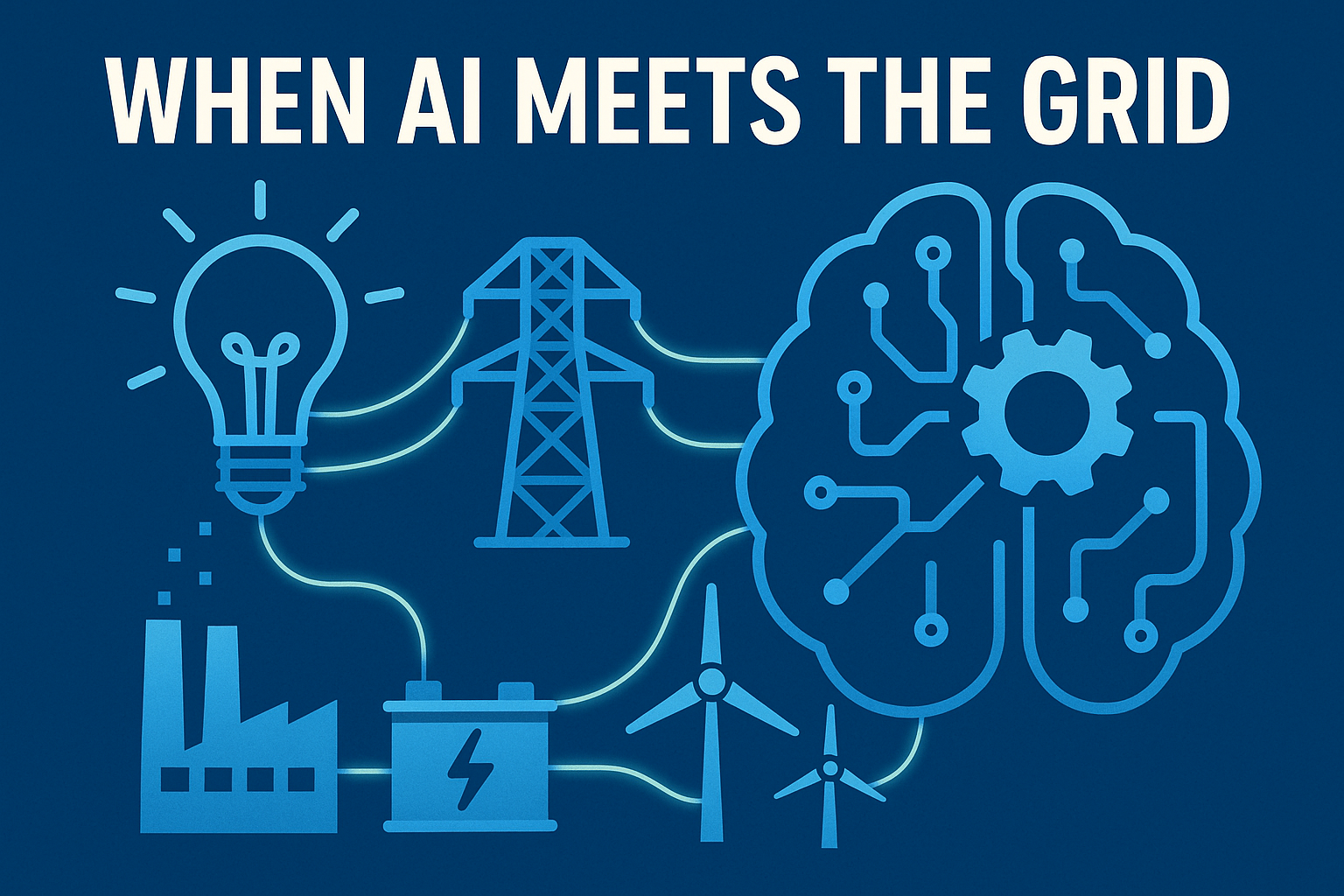
Still, not all signs are bleak. AI can optimise solar arrays, forecast grid strain, and model water usage. The same tools driving AI data centre demand can be redeployed to protect the resources they consume, if incentivised properly.
What is needed now is political will and public visibility. Otherwise, the most powerful infrastructure of our age will remain a silent tenant, using public resources without ever signing the lease.
About the Author
Stuart Kerr is Technology Correspondent at LiveAIWire, covering artificial intelligence, cybersecurity, and the social impact of emerging technology. He publishes daily at LiveAIWire.com.