
By Stuart Kerr, Technology Correspondent, LiveAIWire
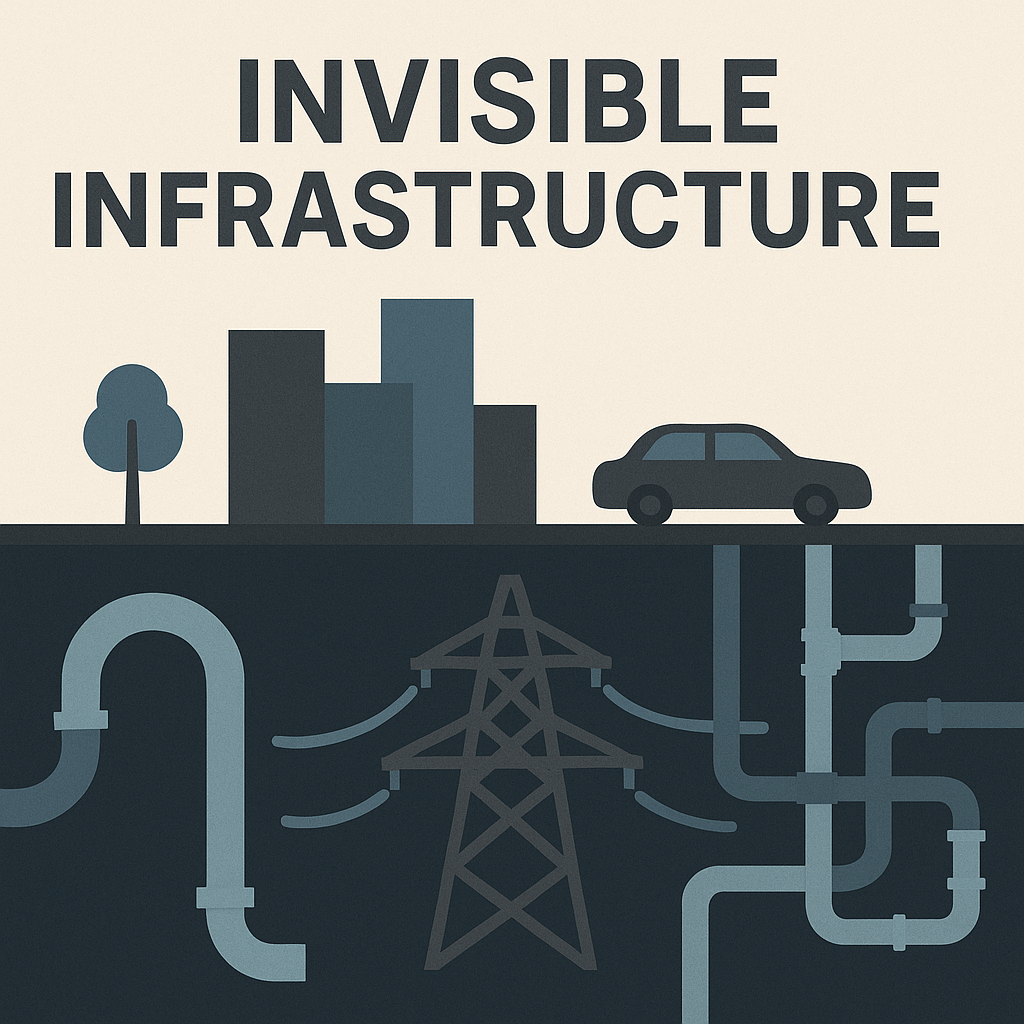
AI infrastructure zoning is the quiet mechanism through which some of the largest construction projects in America are being approved with almost no public scrutiny. When a hyperscale data centre is proposed for a rural county or a suburban business park, it rarely appears on planning agendas as what it actually is. Instead, it is filed under generic categories such as logistics facility, industrial warehouse, or cloud infrastructure, labels that trigger a lighter regulatory review than the scale of the project would otherwise warrant.
How AI Infrastructure Zoning Hides in Plain Sight
This is not a technical oversight. It is a structural feature of how planning law was written decades before AI-driven computing existed as a category, and developers are using that gap deliberately. In New Jersey’s Pinelands region, documented reporting from the Pinelands Alliance shows how municipalities have used redevelopment designations, zoning overlays that bypass standard notice requirements, to approve data centres before residents living within 200 feet of the site were even notified. In one Gloucester County township, an environmental impact statement claiming the facility would be a net water generator was not released until after the building was already operational.
Because AI infrastructure zoning decisions are routed through categories built for conventional industrial use, the public hearings that might otherwise flag environmental or resource concerns simply never happen. Residents frequently report learning about a new data centre only once construction equipment arrives, by which point the permits have already been approved and legal avenues for objection have narrowed considerably.
The Scale Problem Regulators Weren’t Built For
The resource demands behind AI infrastructure zoning decisions are precisely why this classification gap matters so much. LiveAIWire has documented the scale of that demand directly in our reporting on the AI water footprint of data centres and in our coverage of how AI data centre demand is straining real communities from Iowa to Brazil. A facility that would face rigorous environmental review if built as a conventional industrial plant of comparable resource intensity can instead proceed through a zoning pathway designed for a warehouse.
That mismatch between actual impact and regulatory classification is the core of the problem. It is not that environmental review processes do not exist. It is that AI infrastructure zoning practices route these projects around the processes that would otherwise apply to them.
Who Benefits From the Gap
Developers benefit from faster approval timelines and reduced public opposition, both of which translate directly into lower costs and faster time to operation. Local governments, in turn, are often eager to approve these projects for the tax revenue and the promise of jobs, even when the actual long-term employment a highly automated data centre generates is modest relative to its footprint.
This dynamic creates a structural incentive for both sides of the negotiation to keep the classification as generic as possible for as long as possible. A similar pattern played out in Cheyenne, Wyoming, where reporting from Cowboy State Daily found that Microsoft’s 3,500-acre expansion could bypass the state’s Industrial Siting Council, a review process in place since 1975, because the project was classified as falling within an existing industrial or business park rather than triggering full state-level siting review.
What Reform Would Actually Require
Fixing the AI infrastructure zoning gap is not primarily a technical challenge, it is a political one. Some jurisdictions have begun introducing AI-specific or hyperscale-specific zoning categories that trigger mandatory environmental impact assessments, public notification requirements, and water and energy usage disclosures before a permit can be issued. These reforms remain the exception rather than the rule, and they are frequently contested by industry groups arguing that additional review requirements will simply push investment to more permissive jurisdictions.
That argument has real force, which is part of why piecemeal, county-by-county reform has struggled to keep pace with the speed of AI infrastructure expansion. A facility denied fast-track approval in one county can often find another nearby willing to classify it more generously, undermining the incentive for any single jurisdiction to tighten its own rules unilaterally. The scale of the resulting friction is measurable: Foley & Lardner’s 2026 Data Center Development Report found that nearly 48 percent of US data centre development now stalls or breaks down at the zoning and permitting stage, largely due to misalignment between developers, utilities, and government authorities, exactly the kind of friction that generic classification is designed to avoid.
Why Transparency Is the First Fix
The most immediately achievable reform is not a change to zoning law itself but a change to disclosure requirements. Requiring developers to identify a project accurately as AI or hyperscale computing infrastructure at the point of application, rather than allowing generic industrial classification, would at minimum ensure that the public hearings that do occur are informed by an accurate description of what is actually being built.
Until that basic transparency requirement becomes standard, AI infrastructure zoning will continue to function as a blind spot in local governance, one where some of the most resource-intensive construction projects in the country are approved under labels written for a very different era of industrial development. That blind spot sits alongside the broader capital arms race LiveAIWire has tracked in our comparison of Amazon, Google, and Meta’s AI infrastructure spending strategies, where speed of deployment is treated as a competitive advantage in its own right.
About the Author
Stuart Kerr is Technology Correspondent at LiveAIWire, covering artificial intelligence, cybersecurity, and the social impact of emerging technology. He publishes daily at LiveAIWire.com.