By Stuart Kerr, Technology Correspondent, LiveAIWire
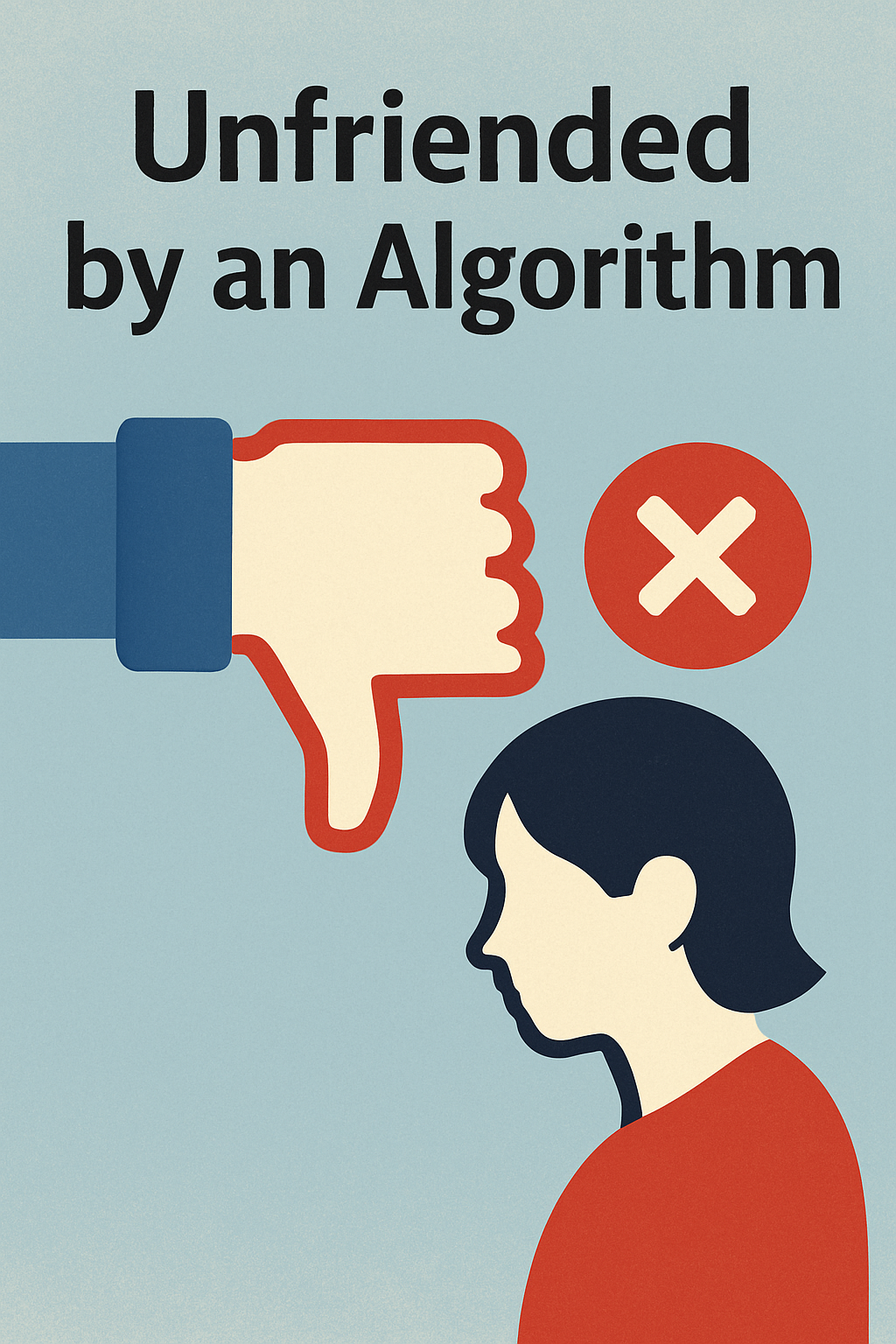
An AI shadow ban rarely announces itself. Your posts are still visible. Your account has not been banned. But something feels off. You are not imagining it. The modern internet runs on invisible levers, and one of the most opaque is shadow banning. This subtle form of algorithmic suppression does not announce itself, it just quietly silences voices. As AI increasingly drives moderation across social platforms, the shadow ban has evolved from myth into method.
Whether you are a journalist, activist, or everyday user, content moderation systems powered by artificial intelligence can impact what others see, or do not see. And most of us never get to find out why.
The Rise of the Silent AI Shadow Ban
Shadow banning is not a new concept. But its reach has grown dramatically in the era of machine learning. Unlike traditional content takedowns, which alert users to rule violations, shadow banning happens invisibly: your content remains live, but the algorithm ensures it is seen by fewer people, sometimes no one at all.
The EFF describes it as the stealth moderation tactic of choice for platforms unwilling to provoke backlash. Whether you are discussing politics, pandemic data, or simply posting too frequently, AI-driven filters can now sideline your content without warning or appeal.
Algorithms at the Controls
Content moderation has become a largely automated affair. Platforms like TikTok, YouTube, and Instagram employ AI tools to monitor billions of posts in real time, flagging, ranking, or muting them based on keyword patterns, engagement spikes, or trustworthiness metrics.
This automation is framed as efficiency. But it also bypasses human context. According to the Oversight Board, the increasing use of machine-led content decisions raises serious transparency concerns. Who gets to decide what content is demoted? How do users appeal when there is no notification?
Real People, Real Consequences
An AI shadow ban does not just target harmful actors. It can disproportionately affect marginalised voices, independent creators, or non-mainstream viewpoints. This concentration of curatorial power echoes what LiveAIWire has examined in our coverage of how AI is reshaping the information environment, where the same opacity that hides shadow bans also obscures how algorithmically generated narratives spread.
A 2023 study titled Shaping Opinions in Social Networks with Shadow Banning, published on arXiv, demonstrated how algorithmic demotion can shift political sentiment over time. If a user’s content is hidden long enough, their influence disappears, not through censorship, but erasure by design.
Meanwhile, creators lose income, communities fragment, and activism is muffled. As TechPolicy.Press points out, an AI shadow ban is not just a technical mechanism, it is a political one.
False Positives and No Redress
This lack of transparency is a recurring feature of algorithmic decision-making generally, not unique to social platforms, a pattern LiveAIWire has also traced in our reporting on AI insurance premiums calculated by systems that similarly resist outside scrutiny. One of the most frustrating aspects of the AI shadow ban specifically is the lack of feedback. Users often suspect they have been shadow banned but have no way to confirm it. There is no notification, no appeal mechanism, and no policy transparency. This lack of recourse leaves people second-guessing themselves or abandoning platforms entirely.
Even AI researchers struggle to detect shadowbanning conclusively. In Setting the Record Straighter on Shadow Banning, published on arXiv, researchers Le Merrer, Morgan, and Trédan note how difficult it is to trace the exact parameters behind algorithmic suppression.
The Case for Transparent Moderation
To restore trust in the digital public square, platforms must address how algorithmic moderation, especially the AI shadow ban, is implemented and governed. That means clearer user rights, better appeal processes, and publishing the basic rules behind ranking systems.
This opacity is not confined to social platforms alone. As LiveAIWire has traced in our reporting on the AI identity crisis, personalisation algorithms across the wider internet are already shaping what people encounter, think, and become without disclosing how those decisions are made. Shadowbanning is one of the most consequential examples of that pattern. It does not just filter out spam, it curates reality.
As we enter an era where artificial intelligence decides who gets heard, it is time to demand more visibility into what is being hidden. After all, the right to speak means little if no one can hear you.
About the Author
Stuart Kerr is Technology Correspondent at LiveAIWire, covering artificial intelligence, cybersecurity, and the social impact of emerging technology. He publishes daily at LiveAIWire.com.