Red Carpet vs. Code
By Stuart Kerr, Technology Correspondent — LiveAIWire
Published: 22 Oct 2025 | Updated: 22 Oct 2025 • Contact: liveaiwire@gmail.com
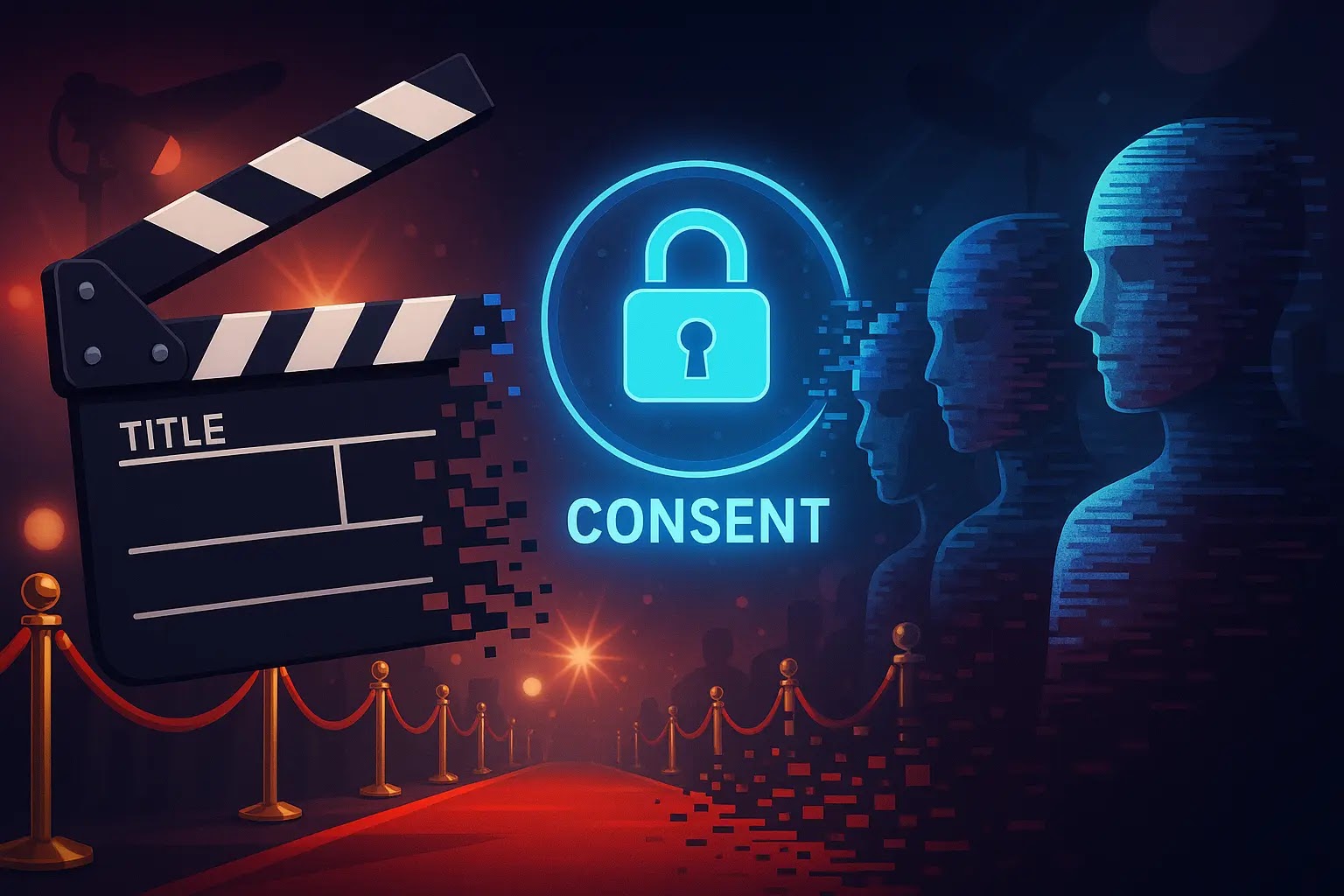
Bryan Cranston thanked OpenAI for tightening the rules in Sora 2, its AI video tool. That moment wasn’t just feel-good PR—it marked a clear turn toward consent first in Hollywood. As reported by The Guardian, Cranston raised concerns about look-alike videos, took them to SAG-AFTRA, and OpenAI responded. Trade coverage in Variety and Deadline showed unions and major agencies backing stricter guardrails, while Business Insider noted OpenAI’s support for tougher anti-deepfake rules like the NO FAKES Act. After a bumpy start, explainers at The Verge walked through how Sora’s defaults shifted from looser to stricter consent.
Here’s what changes on set and in post. If Sora 2 now treats faces and voices as “no go without permission,” studios will store that permission like any key asset—dated, scoped, and easy to verify. That means cleaner releases and fewer last-minute fixes because a crowd shot accidentally resembled a star who never signed. Vendors that can prove airtight consent with logs and receipts become the safe, simple choice.
For actors and agents, the lines get clearer. New deal add-ons will spell out when an AI double is allowed, what it can do—ADR touch-ups, background continuity, stunt patches—and how residuals attach. Instead of fine print buried in a rider, think a simple traffic-light idea: green for tightly approved use, amber for “ask first,” red for anything touching face, voice, or signature moves. Studios take on a bit more admin up front, but it pays off in lower risk and easier insurance. Nobody wants to pull a national spot because a rights check failed.
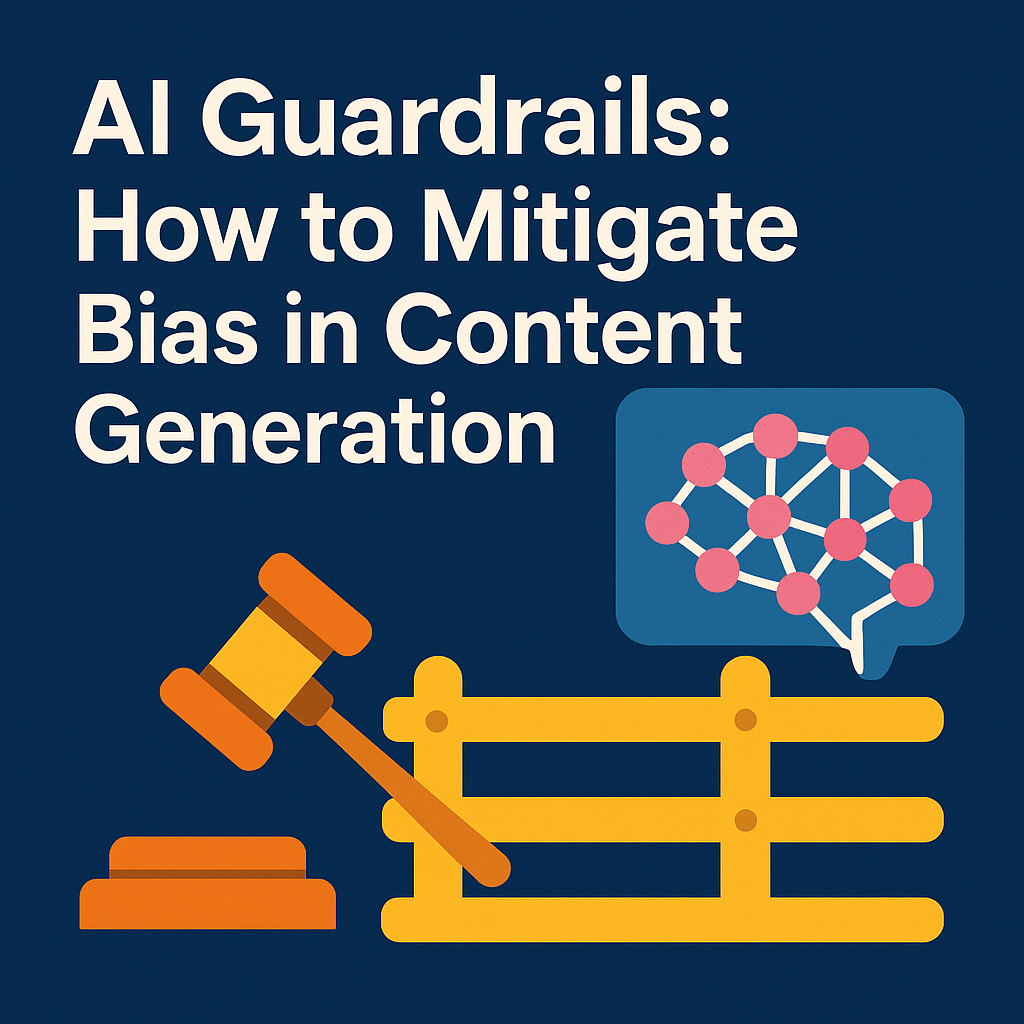
The tech is moving the same way. OpenAI is baking safety into the product flow: consent checks inside the prompt, stricter defaults on face/voice generation, and audit logs people can actually read. That matches the approach we set out in AI Bias Guardrails: Building a Fairer Future for Algorithms: clear purpose limits, minimal retention, and third-party audits. Make the ethical path the easy path, and most productions will follow it.
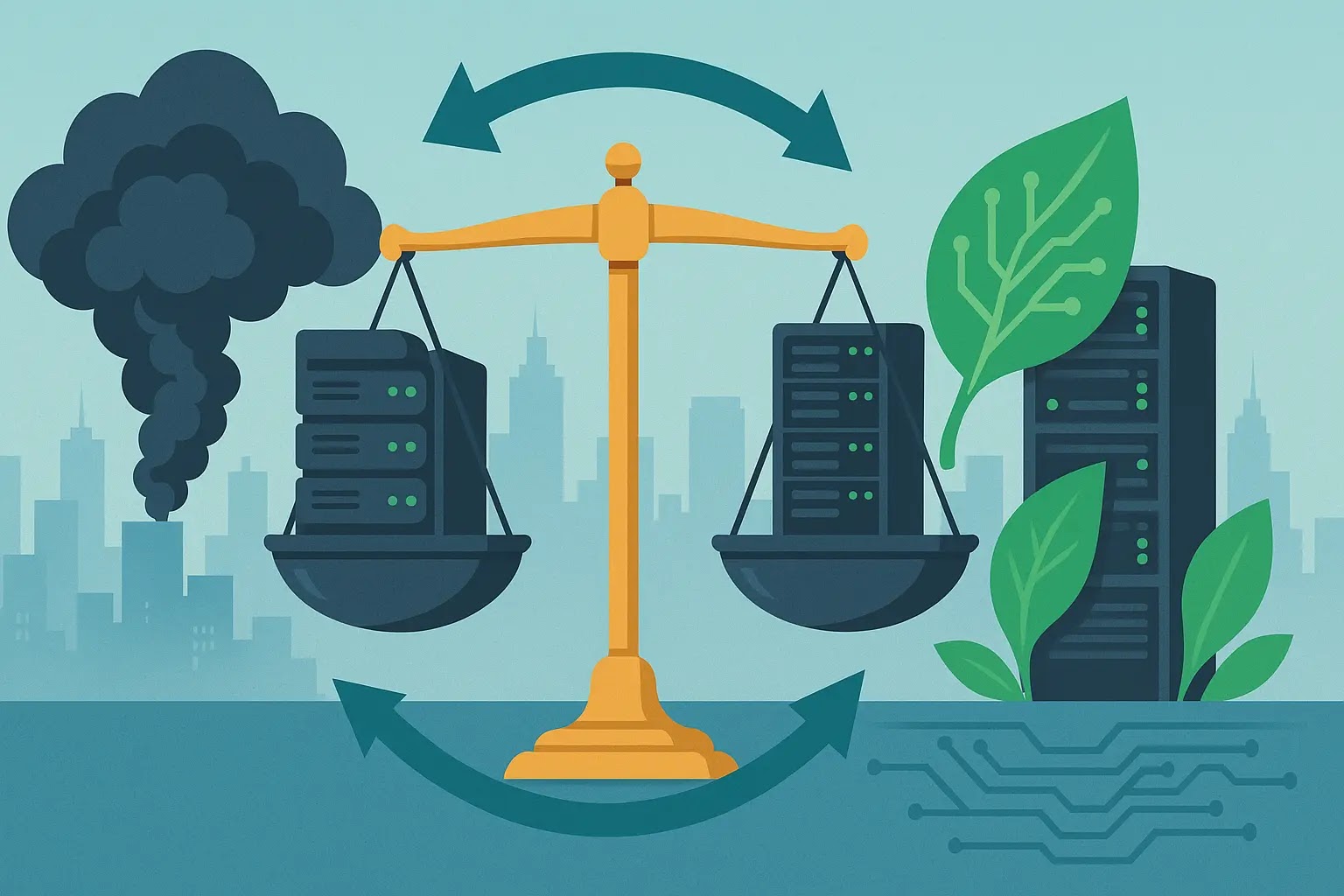
Creatively, this is a reset, not a stop sign. Sora 2 can still speed up previs, stunt planning, and international versions. What’s gone is the “surprise cameo” without permission—and that’s healthy. It nudges work toward licensed synthetic talent, or clean composites where everyone has a contract and a share. It also encourages honest choices about time, cost, and energy. The fastest wins aren’t sneaky face swaps; they’re fewer reshoots, tidier continuity, and better localisation—exactly the pressures we outlined in The Energy Crisis of AI: Why Tech Giants Won’t Reveal Their Real Power Use.
What’s next? Over the coming months, expect more studios to copy OpenAI’s consent setup—something already hinted at in Variety and Deadline. If that sticks, Hollywood can stop playing deepfake whack-a-mole and start treating synthetic work like any other licensed work. That’s the deeper impact of Cranston’s win: fewer fires to put out, more time building clear, fair pipelines where humans and models work together—with consent at the core.
About the Author
Stuart Kerr is Technology Correspondent at LiveAIWire. He reports on AI’s impact on media, energy, infrastructure and the systems people rely on. Read more: https://liveaiwire.com/p/to-liveaiwire-where-artificial.html