7 Ways Self Hosted AI Models Are Reimagining Entertainment
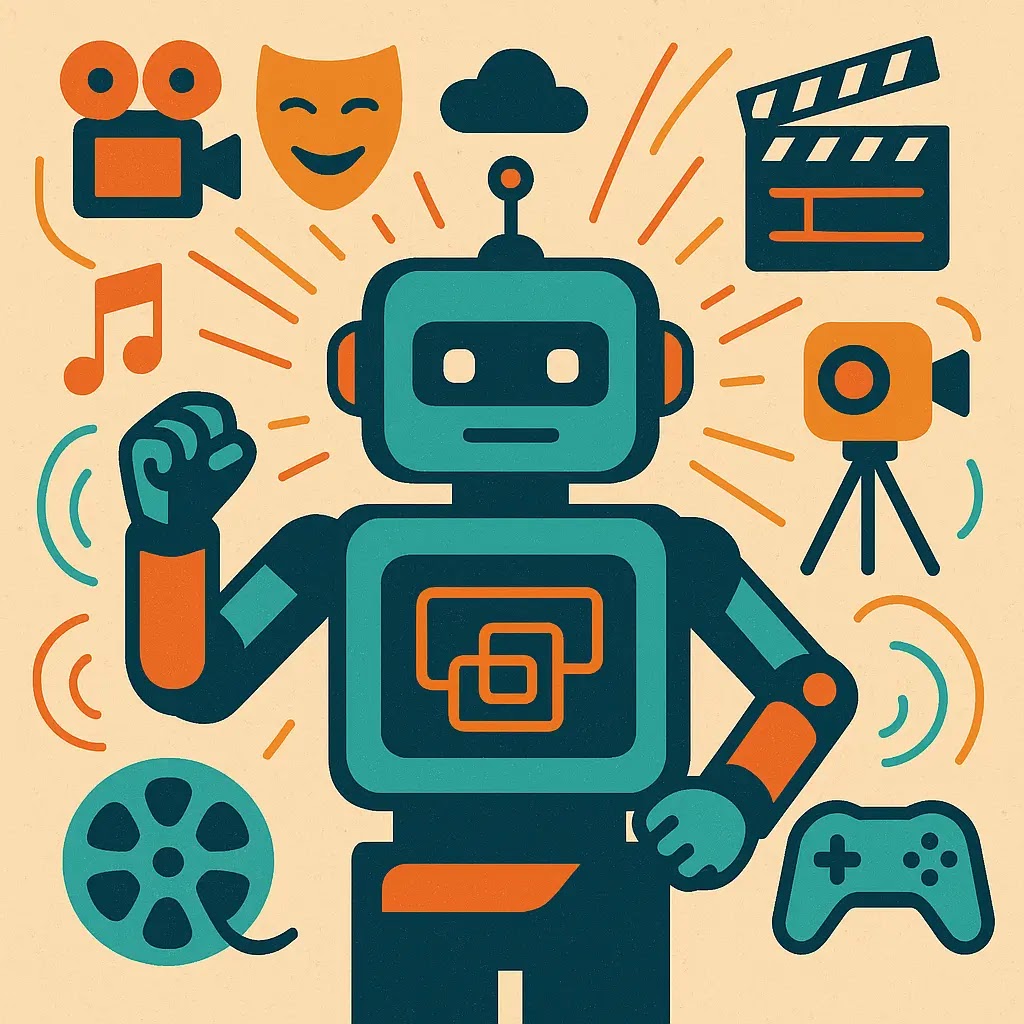
Running your own AI model used to be the domain of tech researchers—now it’s reshaping how music is made, games are played and stories are told. This article uncovers seven ways self-hosted AI is reimagining entertainment and what you need to know.
By Stuart Kerr Published 01/11/2025 Updated 01/11/2025
When you think of entertainment innovation, you may picture glitzy studios or cloud-giant platforms. But beneath the surface a quieter shift is happening: creators, indie studios and even hobbyists are turning to self-hosted AI models to take control of narrative, sound and visuals. Just as running your own server once meant freedom, so now self-hosting your AI means autonomy in how entertainment gets generated and shared.
One major shift is in ownership of creative tools. Articles such as “Best Self-Hosted AI Tools You Can Actually Run in Your Home Lab” illustrate how even small operations are deploying AI models locally—granting creators full control over data, model behaviour and infrastructure. Virtualization Howto This change matters because when the model lives in your own rack instead of a black-box cloud’s, you decide who uses it, how it’s trained and what it produces.
Another disruption is in privacy and customisation. Self-hosting allows artists and developers to fine-tune models to their unique style or genre without relying on external APIs. The piece “Self-hosting LLMs changed my mind about AI’s usefulness” demonstrates how authenticity returns when creators own their model’s identity. XDA Developers For entertainment that’s truly unique—and not just licensed templates—this is a game-changer.
Third, there’s an explosion of interactive, real-time experiences. Self-hosted models can power live performances, personalised game narratives and audience-driven storytelling without cloud latency. And fourth, they enable community-driven ecosystems—modders, open-source developers and creators sharing models and experiences become the new audience-and-studio hybrid.
Fifth, we’re observing cost-effective innovation. Running models locally reduces recurring cloud fees and opens doors for indie creators to compete. A comprehensive review of open-source LLMs highlights how cost-effective self-hosting has runways for smaller teams. AICompetence.org Sixth, self-hosted models support data sovereignty and creative freedom. When your AI runs on hardware you own, you avoid hidden terms, black-box pipelines and loss of rights.
Finally, seventh, this movement is reshaping entire entertainment pipelines. Studios reevaluate cloud dependency, simplify licensing, and give audiences tools to become co-creators. For example, a media startup demonstrated how user-generated shows powered by AI models are already gaining traction.
If the shift is real, the implications are serious. Creators, studios and audiences must ask: Are we simply consuming what big platforms hand us, or are we building tools that allow us to craft our own entertainment worlds? Self-hosted AI models push that boundary.
About the Author
Stuart Kerr, Technology Correspondent
https://liveaiwire.com/p/to-liveaiwire-where-artificial.html