The Critical Rise of Explainable AI
By Stuart Kerr, Economy & Future of Work Correspondent
Published: 08/10/2025 | Last Updated: 03/10/2025
Contact: liveaiwire@gmail.com | Twitter: @LiveAIWire
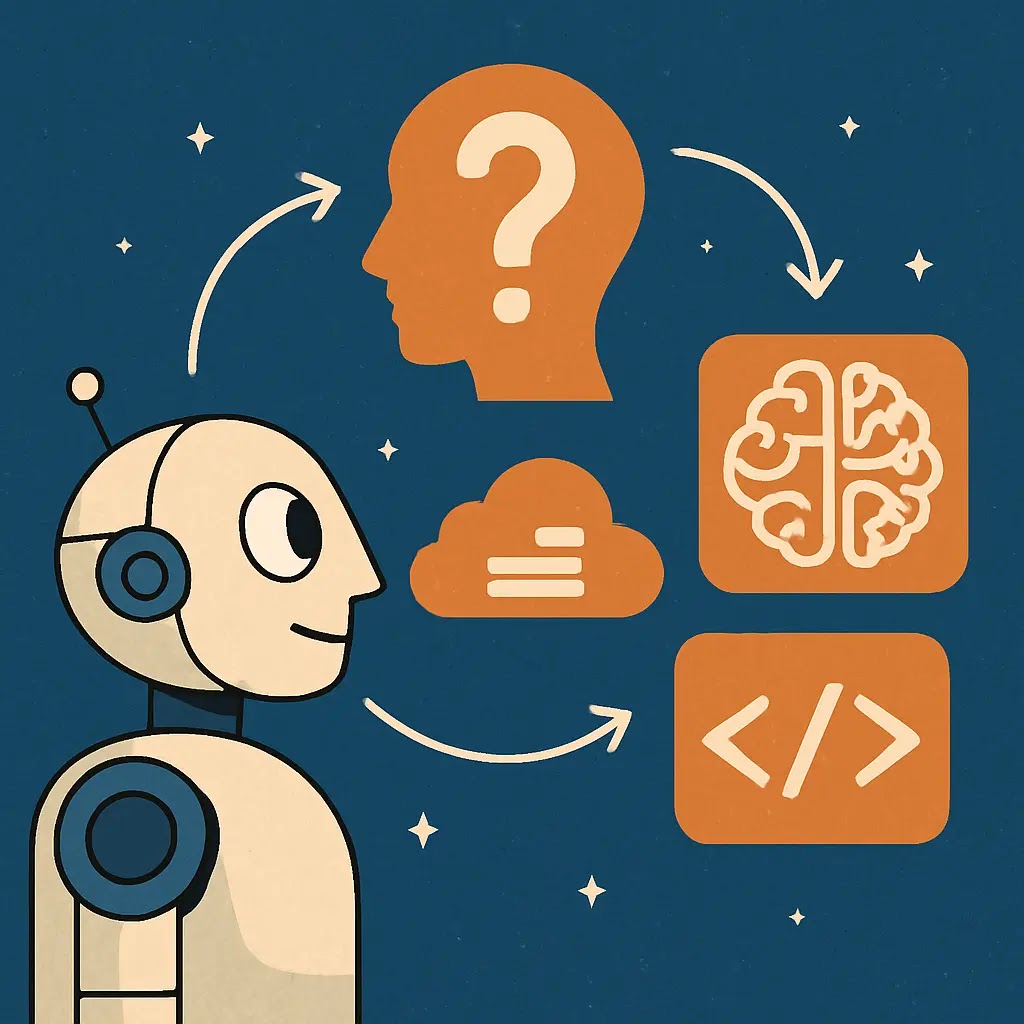
Artificial intelligence has reached a defining moment in 2025. The power of large-scale models is undeniable, but so too is the unease they inspire when decisions emerge without transparency. The call for explainable AI—systems that can reveal the reasoning behind their outputs—is no longer a niche research concern. It has become the central question of whether society can place its trust in the machines we increasingly rely upon.
The debate is not purely technical. When models generate convincing but false information, the risks can be profound. Earlier discussions on AI hallucinations highlighted the dangers of overconfidence in black-box systems. The lesson was clear: accuracy alone cannot ensure trust if the reasoning is invisible.
That is why explainability has become a regulatory, ethical, and commercial imperative. From financial services to healthcare, organisations are under pressure to show not just what their systems decide, but why. According to the latest AI Index Report 2025, demand for explainability has surged in step with adoption, with investment flowing into methods that open the black box.
For businesses, the stakes are equally high. Confidence in AI solutions now hinges on their ability to justify themselves. Analysts at Bismart argue that explainability has moved from a ‘nice-to-have’ to the single most decisive factor in enterprise trust. If a system cannot provide clarity, it risks rejection in boardrooms that once pursued AI for efficiency alone.
The technical strategies are varied—ranging from post-hoc interpretability tools to model architectures designed with transparency in mind. Guides like SuperAGI’s introduction demonstrate how developers are equipping themselves with practical techniques to expose reasoning paths, weightings, and potential biases. At the same time, academic research into interpretability continues to deepen, with conferences such as the XAI World Conference 2025 bringing together specialists to exchange approaches and establish common standards.
Yet explainability also reveals tensions. Clearer insights may expose weaknesses in training data or reveal uncomfortable truths about systemic bias. Our own coverage on AI guardrails underscored this duality: the more transparent a system becomes, the more accountable its designers must be for its flaws.
Still, the momentum is undeniable. Commentators such as Nitor Infotech note that 2025 marks the shift from “AI that works” to “AI we can trust.” It is not enough for a model to perform; it must also demonstrate agency in a form humans can understand, without requiring expert translation.
Looking ahead, the race is not to build the largest model, but the most transparent one. Explainable AI is becoming the new benchmark of quality and responsibility. In years to come, the distinction may not be between AI that is powerful and AI that is interpretable, but between those systems that can earn our trust—and those that cannot.
About the Author
Stuart Kerr is the Economy & Future of Work Correspondent for LiveAIWire. He reports on how emerging AI trends reshape jobs, skills, and what people need to thrive in shifting workplaces. Read more.