
By Stuart Kerr, Technology Correspondent, LiveAIWire
AI fashion design let luxury house Valentino generate hundreds of design variations for its 2024 collection in the time it would previously have taken human designers to sketch a handful of concepts. The company is not alone. Across the fashion industry, from fast fashion giants to heritage couture houses, artificial intelligence is accelerating the design process, personalising the shopping experience, and transforming supply chains, while simultaneously raising fundamental questions about creativity, labour, and the environmental cost of design at machine speed.
Fashion has always been a high-velocity industry, measured in seasonal cycles and trend shifts. AI is compressing those timelines dramatically. Generative AI tools can produce thousands of design concepts based on trend data, customer feedback, and historical sales patterns in minutes. What the technology cannot yet do is substitute for the cultural intelligence, aesthetic vision, and social understanding that the best human designers bring to their work.
Generative AI Fashion Design and the Creative Process
The most immediate AI impact on fashion design is in the ideation phase. Designers at major brands are using generative AI tools to explore colour palettes, silhouettes, and fabric combinations at a speed and scale that extends rather than replaces their creative process. Smaller brands and independent designers are finding that AI levels the playing field in certain respects, though the democratisation of design tooling comes with concerns about homogenisation. If all designers are using similar AI tools trained on similar datasets, does the diversity of aesthetic outcomes diminish over time?
The intellectual property implications of AI fashion design are significant and unresolved. When an AI model trained on images of existing fashion generates a new design, the lineage of that design traces through the entire training dataset. Legal challenges from designers and photographers arguing their work was used without consent to train commercial AI systems are working through courts in multiple jurisdictions. The World Intellectual Property Organization has published guidance on AI and copyright that is shaping how these cases are approached, though the legal landscape remains unsettled.
Personalisation and the Shopping Experience
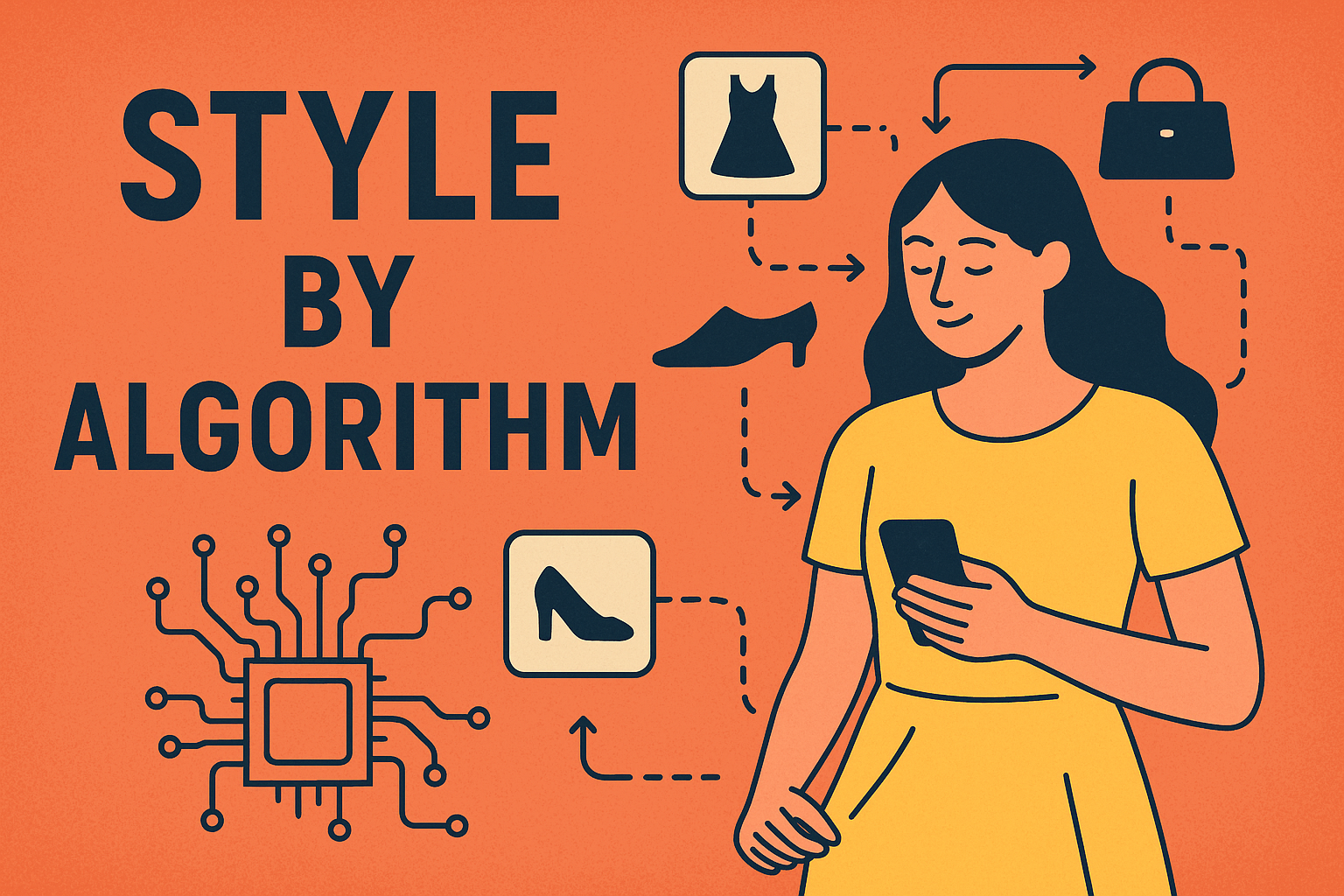
On the consumer side, AI is transforming how people find and buy clothing. Recommendation engines trained on purchase history, browsing behaviour, and social media signals now curate personalised product selections accounting for individual style preferences, size, and budget. Virtual try-on technology, which uses computer vision and augmented reality to show customers how clothing would look on their specific body, is maturing rapidly and reduces return rates, a significant cost for online retailers.
Supply Chain and Sustainability
The fashion industry’s environmental impact is substantial; it accounts for approximately 10 percent of global carbon emissions, according to the United Nations Environment Programme. AI fashion design tools are being applied to multiple points in the supply chain with sustainability implications, from demand forecasting that reduces overproduction to materials optimisation that minimises waste in cutting and manufacturing. Inditex, the parent company of Zara, has invested significantly in AI demand forecasting systems allowing closer alignment between production volumes and actual market demand.
The Labour Question Behind AI Fashion Design
For the fashion workforce, AI presents challenges being managed differently across the industry. Design assistants and junior creatives whose roles involve significant repetitive visual work face the clearest near-term disruption, a pattern that echoes what LiveAIWire has traced more broadly in our coverage of the automation divide and who is being left behind.
The labour implications extend into the global supply chain in ways that often go unacknowledged in discussions focused on design and retail. AI-driven demand forecasting and logistics optimisation increase pressure on manufacturers to deliver shorter runs faster and with greater flexibility. For garment workers in Bangladesh, Cambodia, Vietnam, and other major manufacturing countries, this translates into more precarious work patterns, shorter contract periods, and less predictable income.
Organisations including the Clean Clothes Campaign have documented how AI-driven efficiency pressures in fashion supply chains are being absorbed by workers who are already among the most economically vulnerable in the global economy, a dynamic LiveAIWire has also traced in our coverage of the AI shadow workforce whose labour underpins the systems making these efficiency gains possible.
What This Means for the Future of Fashion
The broader question for fashion is whether AI fashion design accelerates or complicates the industry’s sustainability transition. The technology offers genuine tools for reducing overproduction and optimising material use, but it also enables faster design cycles and lower barriers to launching new collections that could drive increased consumption overall. The net environmental impact depends on business model choices that brands have not yet been required to make transparently.
Regulatory pressure requiring lifecycle environmental disclosure for AI-assisted fashion production would clarify the trade-offs and create accountability for the outcomes, an environmental accounting gap that echoes what LiveAIWire has documented in our coverage of AI critical infrastructure, where energy and resource costs are similarly under-disclosed relative to the efficiency claims made for the technology.
About the Author
Stuart Kerr is Technology Correspondent at LiveAIWire, covering artificial intelligence, cybersecurity, and the social impact of emerging technology. He publishes daily at LiveAIWire.com.