
By Stuart Kerr, Technology Correspondent, LiveAIWire
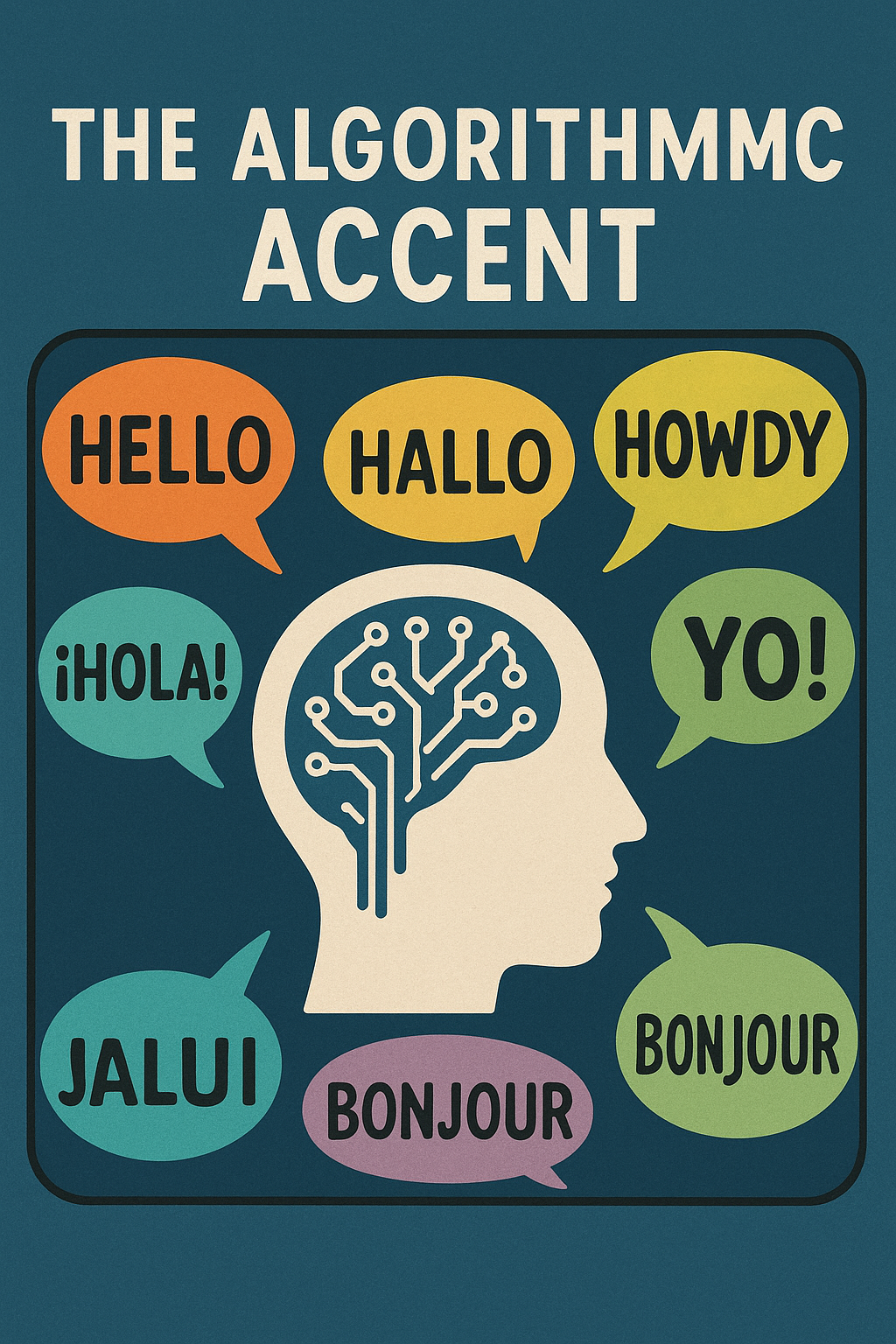
AI language diversity remains one of the field’s least discussed failures. There are approximately 7,000 languages currently spoken in the world. The overwhelming majority of AI language and speech capability is concentrated in fewer than 20, with English, Mandarin, Spanish, and a small number of other high-resource languages commanding the vast bulk of training data, research investment, and deployment. AI systems that can only operate effectively in a small number of dominant languages are not language-neutral tools. They are instruments that amplify the global reach of some linguistic and cultural frameworks while leaving others progressively further behind.
Research published on linguistic diversity in large language models has documented the performance gap between high-resource and low-resource languages systematically, finding that models trained primarily on English data produce outputs in other languages that exhibit substantially higher error rates, more frequent hallucinations, and weaker cultural contextualisation than their English equivalents.
The AI Language Diversity Gap Within Languages Themselves
Within languages that AI systems do handle, the coverage is itself uneven. Dialect, regional slang, and minority language varieties within larger language families are systematically underrepresented in training data relative to standardised written forms. The written corpus of English that large language models are trained on is dominated by formal written prose, online content from educated writers in major English-speaking markets, and digital text produced by users with reliable internet access.
The consequences are practical. AI assistants that perform well for standard written queries respond poorly to the natural spoken register of users from regional or marginalised linguistic communities. These are not minor calibration issues. They represent systematic service inequality that tracks closely with existing social inequalities, as LiveAIWire’s analysis of AI’s specific struggles with regional British dialects and slang found in a UK context that is representative of the global pattern.
Efforts to Address the AI Language Diversity Gap
Several significant initiatives are working to expand AI language coverage beyond high-resource varieties. The Masakhane project, a community-driven effort to develop natural language processing for African languages, has produced training datasets and model evaluations for more than 60 African languages, demonstrating that the technical barriers to AI capability in low-resource languages are addressable with appropriate investment and community involvement. Meta’s No Language Left Behind project has developed translation models covering more than 200 languages, including many with limited prior AI coverage, though performance disparities between high-resource and low-resource languages remain significant even within that expanded coverage.
These projects represent meaningful progress, but the structural incentive problem remains. Investment in AI language capability follows commercial opportunity, which is concentrated in languages with large populations of users with purchasing power. Closing the AI language diversity gap at scale requires either regulatory intervention requiring minimum language performance standards for AI systems used in public services, public investment in low-resource language data infrastructure, or both.
What Universal AI Language Capability Would Actually Require
The aspiration of AI systems that work equally well across all languages is technically possible in principle and practically distant given current investment patterns. What meaningful progress requires is systematic and well-resourced data collection in low-resource languages and dialects, conducted in collaboration with linguistic communities rather than through passive harvesting of available text.
As LiveAIWire’s coverage of how AI deployment creates unequal access across populations found, the populations with the most to gain from AI capability are frequently those whose contexts and languages are least represented in AI development. The algorithmic accent, the bias toward the linguistic varieties that dominate AI training, is not an inevitable feature of the technology. It is a consequence of investment priorities and governance choices that can be made differently.
The Cultural Stakes of AI Language Diversity
The language coverage gap in AI systems has cultural consequences that extend beyond the practical service delivery failures it causes. When AI systems trained primarily on English-language data become the dominant interface for information access, creative production, and professional communication globally, they create systematic pressure toward the linguistic and cultural frameworks encoded in that data. Communities whose languages are not well served by AI tools face a practical choice between accepting lower-quality AI assistance in their own language or switching to a high-resource language to access better AI capability.
The stakes of getting AI language diversity right are therefore not only about service equity, though they are certainly about that. As LiveAIWire’s analysis of how AI shapes the information environments that communities inhabit found, the systems that mediate access to information are never neutral. They encode priorities, assumptions, and cultural frameworks that shape what is findable, credible, and communicable.
What Is Being Done and What Remains
Some progress is being made on AI language diversity. Meta’s No Language Left Behind initiative produced a translation model covering more than 200 languages, including many with very limited prior AI coverage. The African Languages Technology Initiative and similar regional programmes are building datasets for languages that have been almost entirely absent from major AI training corpora. These are meaningful steps, and they demonstrate that the problem is tractable if the investment is made.
What remains is the structural imbalance between the pace of capability development in high-resource languages and the pace of improvement for the remaining 6,980. Closing it requires a combination of commercial investment where business cases exist, public funding for languages where they do not, and the active involvement of speaker communities in dataset creation and system evaluation rather than the extraction of linguistic data without meaningful community participation.
About the Author
Stuart Kerr is Technology Correspondent at LiveAIWire, covering artificial intelligence, cybersecurity, and the social impact of emerging technology. He publishes daily at LiveAIWire.com.