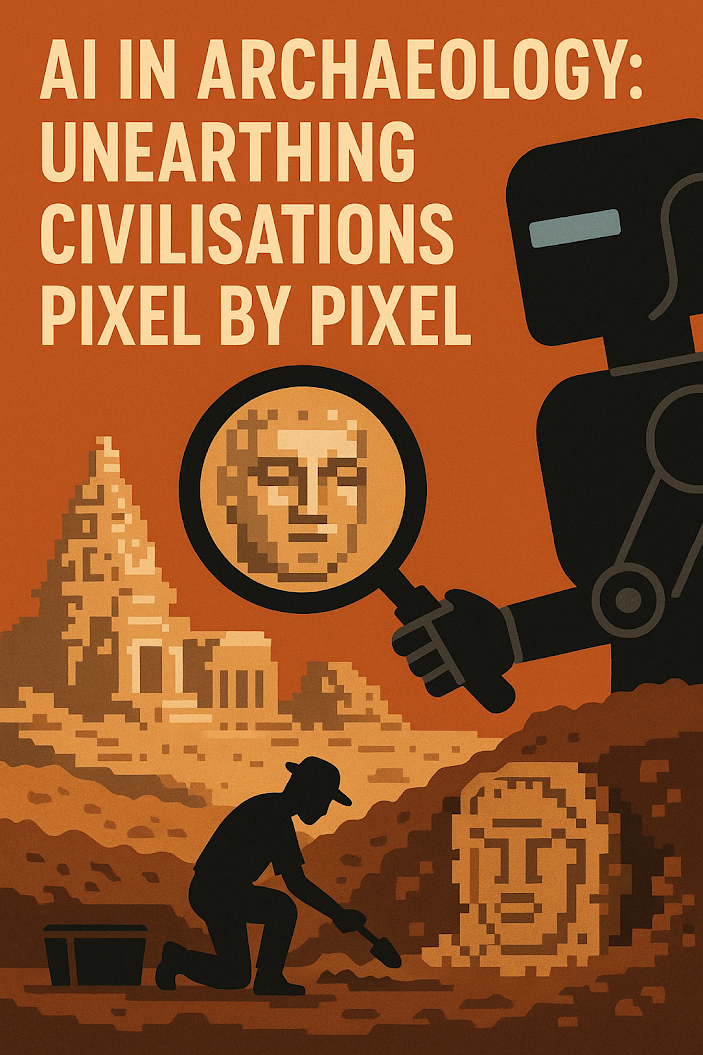
AI Archaeology: Unearthing Civilisations Pixel by Pixel
AI archaeology just found 120 ancient sites trained experts had missed, one they'd literally stood on top of. See how machine learning is reshaping how lost civilizations get found, and
38 articles
AI archaeology just found 120 ancient sites trained experts had missed, one they'd literally stood on top of. See how machine learning is reshaping how lost civilizations get found, and

Conscious AI is no longer purely science fiction. Neuromorphic chips and brain-computer interfaces are closing the gap between silicon and sentience. Here's what the research actually shows, and what remains
AI is compressing the timeline of synthetic biology from decades to months — designing novel proteins, engineering gene circuits, and opening research corridors that will transform medicine, agriculture, and materials
AI-equipped autonomous underwater vehicles are opening the deep sea to scientific observation at a scale and pace previously impossible -- discovering new species, monitoring climate carbon sinks, and raising urgent
AI archaeology found hundreds of new Nazca geoglyphs and read carbonized scrolls silent for 2,000 years. Here's how machine learning is rewriting excavation, reconstruction, and cultural heritage.
AI guides Mars rovers, processes astronomical data, and powers satellite operations. Here is how artificial intelligence is becoming the engine of the new space race.
NASA rovers now select their own scientific targets. AI is discovering exoplanets and managing space debris. Here is how machine learning is revolutionising planetary exploration.
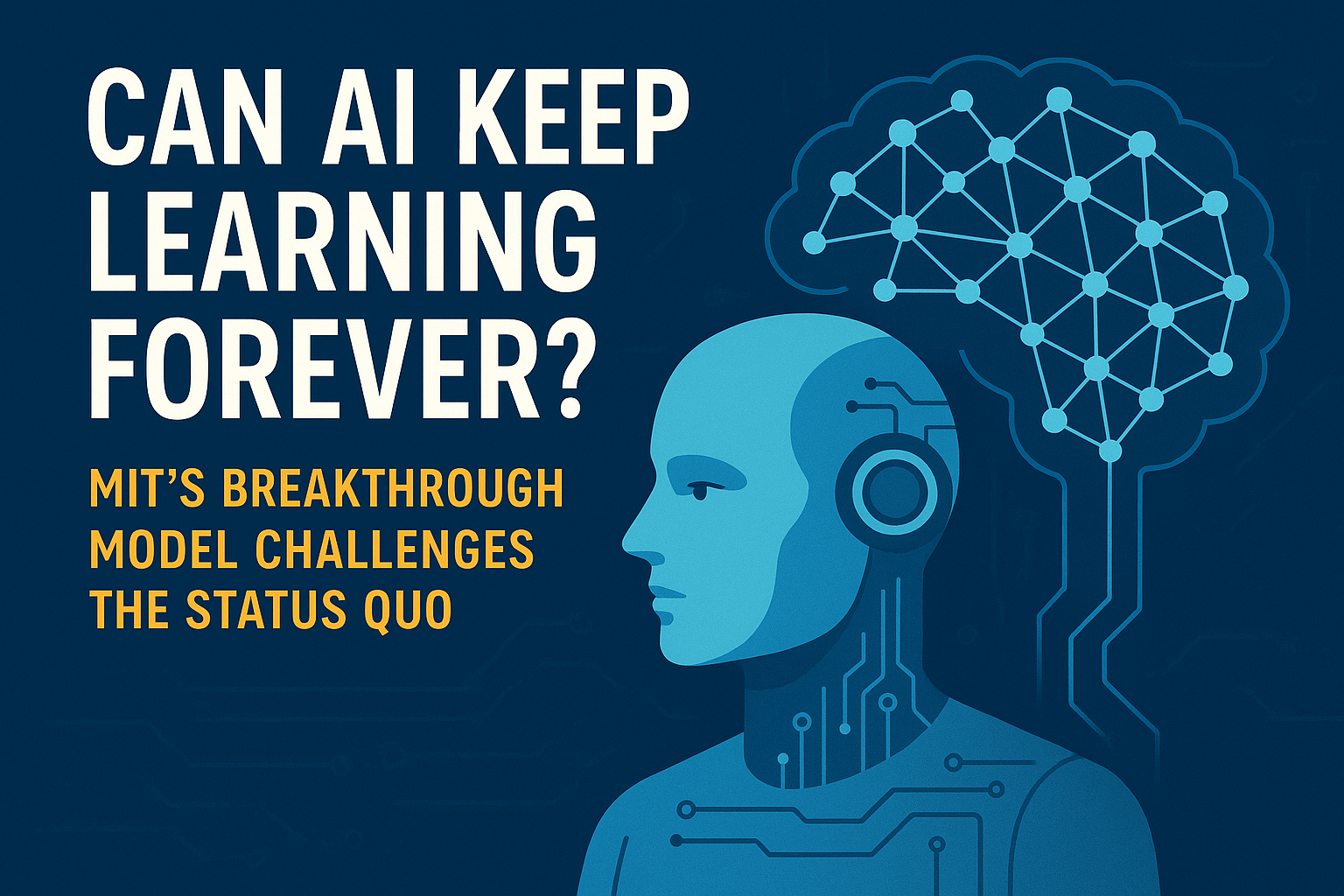
MIT researchers have significantly reduced catastrophic forgetting in neural networks. Here is why continuous AI learning matters, how the breakthrough works, and what it means for deployed systems.