Why We Keep Coming Back to AI Tools — The Comfort of Familiar Novelty
By Stuart Kerr, Technology Correspondent — LiveAIWire
Published: November 29 2025 | Updated: November 29 2025 • Contact: liveaiwire@gmail.com
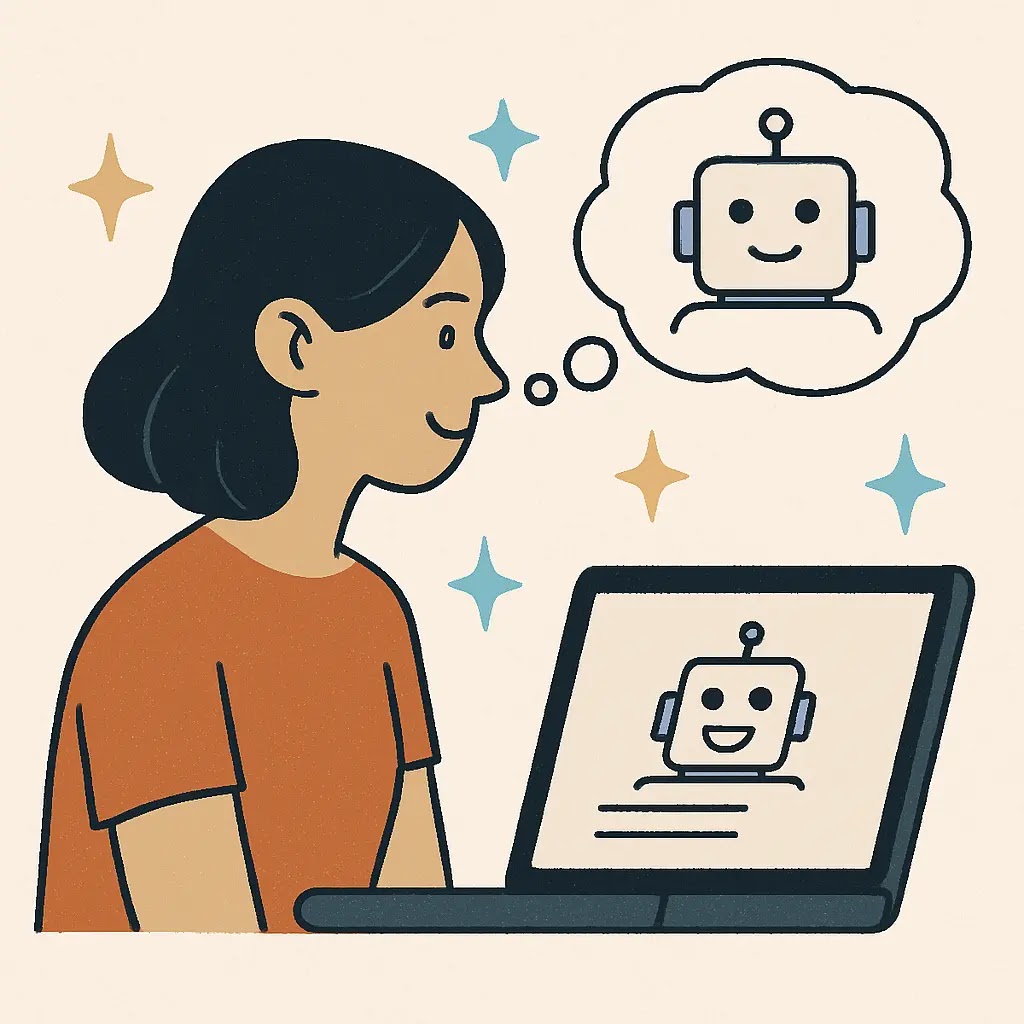
There’s something magnetic about a brand-new AI tool — the promise of productivity, creativity, a little magic. But for thousands, even millions, the draw doesn’t fade after the first week. Instead, it settles in, quietly becoming part of a daily workflow. We keep returning to AI—not just for the flash of novelty, but for a subtle comfort: familiarity wrapped in new possibility.
This article digs into why people return to AI tools, what keeps them engaged beyond the initial buzz, and what that reveals about our evolving relationship with intelligent machines.
Why AI Tools Stick — More Than Just Novelty
The pull of novelty… and what happens next
Human psychology tilts toward what’s new. Research shows that the “perceived novelty” of an information-technology innovation significantly influences whether people adopt it. ResearchGate+1
For many users, AI tools tick that box — fresh interface, uncanny capabilities, instant results. That first spark often drives exploration and curiosity.
Yet novelty alone is fleeting. Decades of research on technology adoption — from educational software to smartphones — warn of the “novelty effect”: initial enthusiasm often fades as the newness wears off. Wikipedia+1
So why do so many still return to AI tools long after the gloss has worn off?
Familiarity, usefulness — and why we return
A growing body of work suggests that AI tools remain useful because they don’t just offer surprises — they embed themselves in daily patterns. A 2025 user-adoption study found that generative-AI systems (like chatbots) tend to boost users’ perceptions of usefulness, human-likeness and familiarity — and those perceptions drive long-term usage intentions. ScienceDirect+1
Another longitudinal study examining AI workflows for science communication found that after users acclimate, the “familiarization effect” can actually increase engagement over time — especially when the tool reliably delivers value and fits smoothly into routine tasks. arXiv+1
In plain English: once a tool becomes part of your mental toolbox — the go-to for rough drafts, coding snippets, meeting prep — it transcends novelty. It becomes useful. Dependable. Familiar. And that familiarity feels comfortable, even comforting.
Comfort, control and trust over time
Beyond ease and utility, psychological factors — trust, perceived reliability, and ease of use — play a key role in sustaining engagement with AI. Recent empirical work shows that when AI tools deliver consistent performance, and when users understand their limitations, people are more likely to continue using them. apjcriweb.org+1
In education contexts, researchers found that readiness, interactivity, and ethical awareness strongly shaped students’ willingness to adopt and reuse AI applications — more so than raw performance metrics. Nature+1
In effect, what once felt alien and futuristic can morph into a trusted assistant — a partner in productivity and creativity.
What This Means for Design, Adoption – and the AI Future
As AI tools proliferate — from writing assistants to code helpers — it’s becoming clear: long-term adoption doesn’t come from hype, but from harmony.
-
Design for integration, not flash. Tools that solve real pain points — drafting copy, brainstorming, editing, organising information — stay useful. When AI slips naturally into workflows rather than demanding user reinvention, it earns its place.
-
Prioritise reliability and trust over novelty. Consistency, gentle user guidance, transparency about limitations — these build comfort. And comfort breeds regular use.
-
Balance surprise and stability. Occasional updates or new features can rekindle interest, but overhauls — especially jarring ones — risk breaking the sense of familiarity that users have grown to rely on.
-
Treat AI as a collaborator, not a replacement. The strongest use-cases come when AI augments human effort — in writing, ideation, coding — letting humans stay in the creative driver’s seat.
Conclusion: Familiar, Not Boring
We often talk about AI in extremes — miracles or gimmicks. But the lasting value of AI seems to lie in something quieter: a gentle hum of usefulness, reliability and comfort.
AI tools capture attention with novelty. They earn loyalty through familiarity. And in that space between surprise and stability lies the future of human-machine collaboration: not as loud as launch hype, but as enduring as a trusted tool on your desktop.