EU Law
By Stuart Kerr | [Current Date]
Breaking News Highlights
-
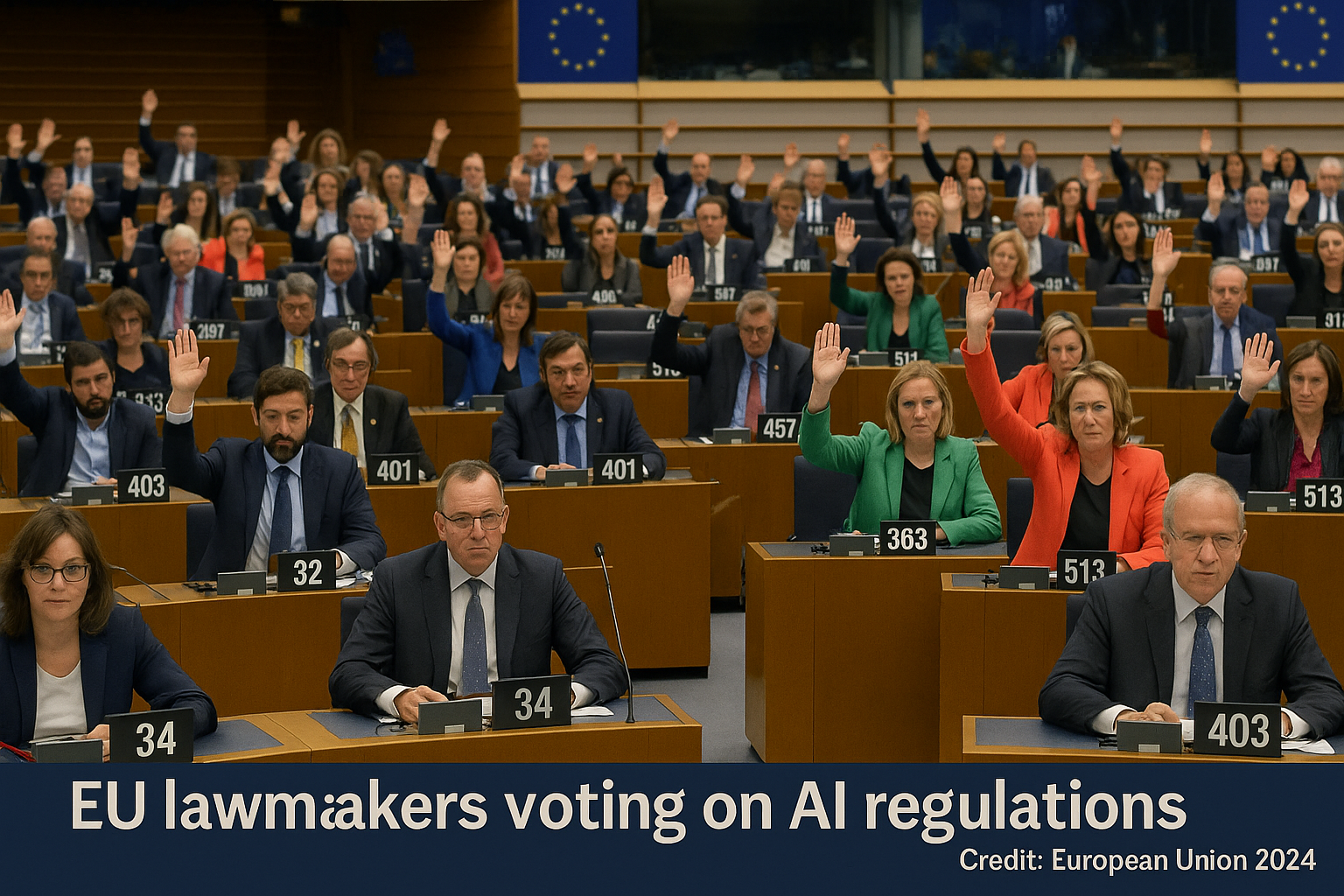
Landmark Law: First comprehensive AI regulation passed 523-46 in EU Parliament.
-
Banned Applications: Real-time facial recognition in public, emotion detection in workplaces.
-
ChatGPT Rules: Mandatory disclosure when content is AI-generated (effective July 2025).
What the AI Act Means for Tech Giants
1. Transparency Requirements
-
OpenAI, Google, and Meta must:
✅ Label all AI-generated text/video/audio with visible watermarks.
✅ Disclose training data sources for models like GPT-4.
Penalty: Fines up to 7% of global revenue for violations.
2. High-Risk AI Restrictions
-
Banned Immediately:
-
Social scoring systems (e.g., China-style citizen ratings).
-
AI tools that manipulate human behavior (e.g., addictive TikTok algorithms).
-
-
Strictly Regulated:
-
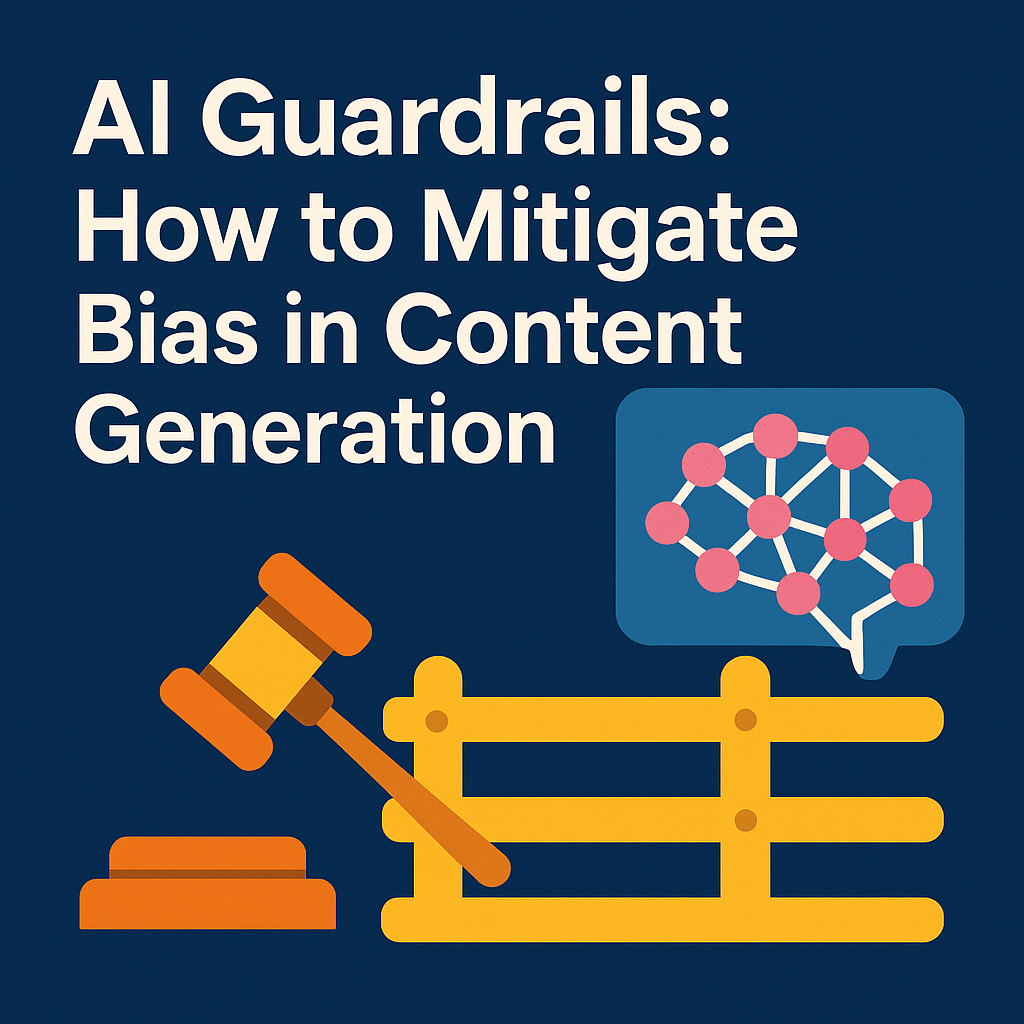
Resume-scanning HR tools must prove anti-bias testing.
-
3. Deepfake Crackdown
-
Political deepfakes require “This is fake” labels 48 hours before elections.
-
Porn platforms must implement AI-generated content blockers.
Industry Reactions
-
OpenAI: “We welcome clear guidelines but worry about innovation slowdown.”
-
European Startups: Celebrate leveled playing field vs. US tech giants.
-
US Response: White House announces similar bill draft within 90 days.
How Businesses Should Prepare
-
Audit AI Tools for compliance (sponsored link to AI governance software like Trustible).
-
Train Teams on watermarking standards (partner with ComplianceWeek for webinars).
-
Monitor Updates: Some rules phase in through 2026.
Pro Tip: Use AI detection tools (affiliate link to Originality.ai) to pre-check content.