
By Stuart Kerr, Technology Correspondent, LiveAIWire
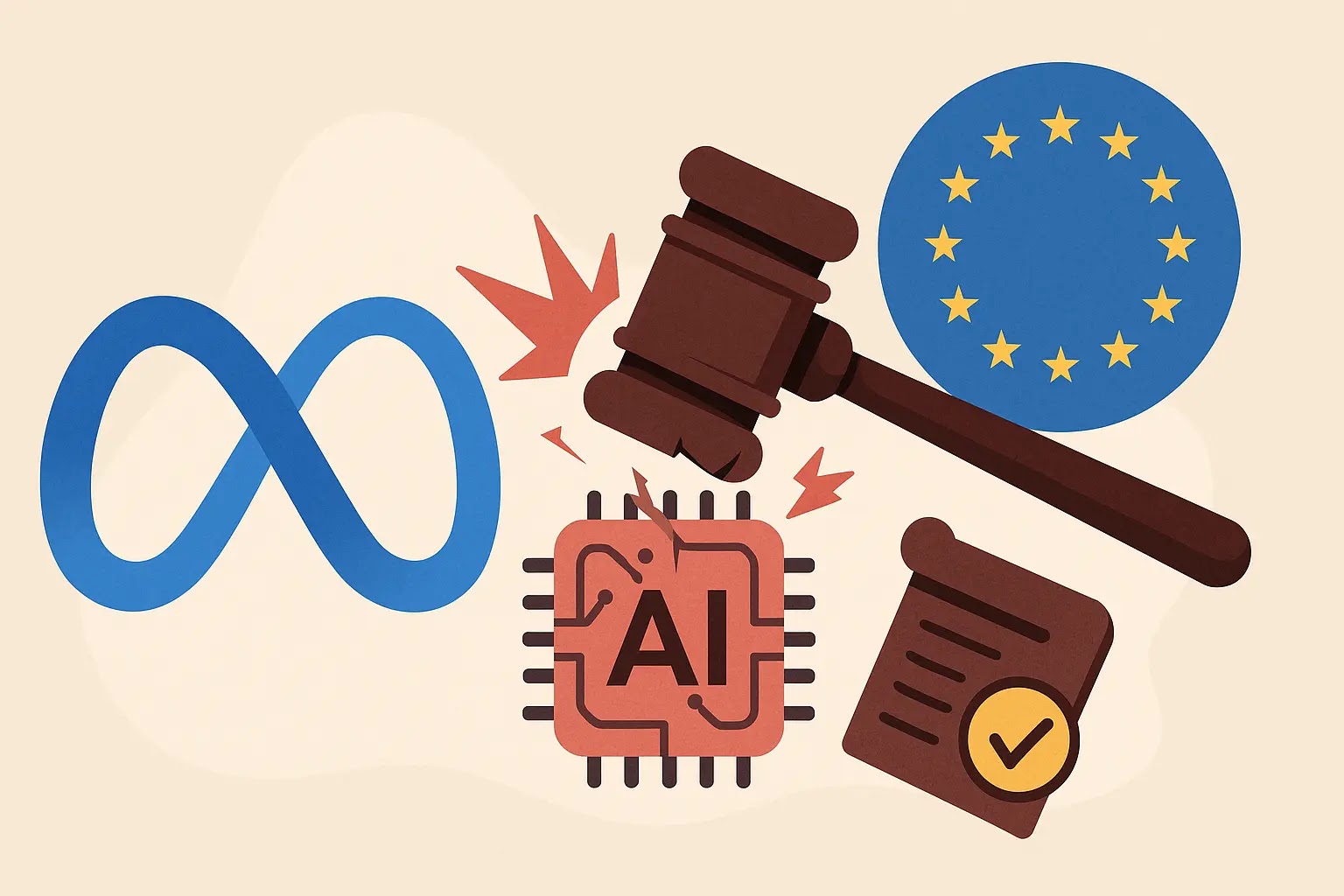
Meta rejects EU AI code of practice, becoming the only major AI developer to publicly refuse the European Commission’s voluntary compliance framework for general-purpose AI models. Meta’s chief global affairs officer Joel Kaplan announced the decision on LinkedIn on 18 July 2025, writing that Europe is heading down the wrong path on AI and that the Code introduces legal uncertainties and requirements that go far beyond the scope of the EU’s AI Act itself. The refusal came just weeks before the Act’s general-purpose AI provisions took effect on 2 August 2025, and it set Meta apart from every other frontier AI developer operating in Europe.
By contrast, OpenAI, Google, Microsoft, Anthropic, Amazon, IBM, and Mistral AI have all signed the Code, according to the European Commission’s own published signatory list, which currently totals 22 companies. xAI signed only the Safety and Security chapter, meaning it must demonstrate compliance with the transparency and copyright provisions through other means. Meta’s position leaves it as the largest and most prominent holdout among companies developing frontier AI models with a substantial presence in the EU market.
What the Code Actually Requires
The Code of Practice, published on 10 July 2025 by 13 independent experts working with the European Commission, is structured around three chapters. The Transparency chapter requires providers to complete detailed documentation of how their models work, using a standardised form. The Copyright chapter requires companies to demonstrate a policy for complying with EU copyright law, including honouring requests from content owners not to use their work in training data. The Safety and Security chapter, which applies only to the small number of providers whose models are classified as carrying systemic risk, sets out specific practices for managing those risks. Signing is voluntary, but the Commission and the EU’s AI Board have confirmed the Code as an adequate way for companies to demonstrate compliance with the AI Act’s binding legal requirements.
Why Meta Says No
Kaplan’s stated objection is that the Code goes beyond what the AI Act itself legally requires, creating obligations companies never agreed to through the ordinary legislative process. Meta was one of over 100 companies, alongside firms with a combined market capitalisation above 3 billion dollars and more than 3.7 million European jobs, that had earlier signed an open letter asking the Commission to delay the Act’s rollout by two years. The Commission declined, confirming in early July that the timeline would not change. Meta’s rejection of the Code followed within weeks of that refusal, reading as a continuation of the same underlying disagreement over the pace and scope of EU AI regulation, rather than a standalone objection to this specific document.
What This Means If You Use Meta’s AI Products in Europe
For everyday users, signing or not signing the Code does not change whether a company must comply with the AI Act itself, since the Act’s legal requirements apply regardless. What changes is how a company demonstrates that compliance. Signatories can point to the Code’s standardised documentation as an accepted, lower-friction way to prove they meet the law’s transparency and copyright obligations. Non-signatories like Meta must instead demonstrate compliance through other means, which the Commission has confirmed is legally permitted but carries less certainty and potentially more scrutiny. Practically, this means Meta faces a genuine, if manageable, compliance and reputational risk in the EU that its signing competitors have reduced for themselves.
The Wider Split This Reveals
Meta’s refusal exposes a genuine strategic divide among the world’s largest AI developers rather than a simple regulation-versus-innovation story. Companies with larger enterprise and government customer bases, including Microsoft and Google, have generally found closer alignment with the Code’s compliance-first approach commercially useful, since regulatory certainty helps close deals with risk-averse institutional buyers. Meta’s business model, built primarily on consumer-facing, personalisation-driven products, has less to gain from that particular kind of regulatory goodwill and more exposure to the Code’s data and training transparency requirements given how central user data is to its core products. The split, in other words, tracks business model as much as it tracks philosophy on regulation.
Whether Meta’s holdout changes anything practical remains to be seen. The AI Act’s legal obligations for general-purpose AI models took effect regardless of who signed the Code, and full compliance deadlines for models already on the market before August 2025 extend out to August 2027. What the episode has already done is give European regulators, and the wider industry, a clear, public marker of which major AI developers are choosing cooperative compliance and which are choosing to contest the EU’s approach directly. That marker will likely matter more as enforcement, rather than voluntary signature, becomes the operative question over the next two years.
About the Author
Stuart Kerr is Technology Correspondent at LiveAIWire, covering artificial intelligence, emerging technology, and their impact on business, society, and everyday life. LiveAIWire publishes original AI journalism every weekday at liveaiwire.com.